THE HEALING POWER OF NATURE
There’s a quiet but significant shift happening within wellness travel. Away from highly structured, outcome-driven programmes and towards something far more fundamental: time in nature. Not as an add-on or concept, but as the foundation of our experience.
What’s emerging is a deeper understanding of nature not just as a backdrop, but as an active agent in wellbeing, one that operates across biology, psychology and human connection. And increasingly, industry leaders are not only observing this shift, they are designing around it.
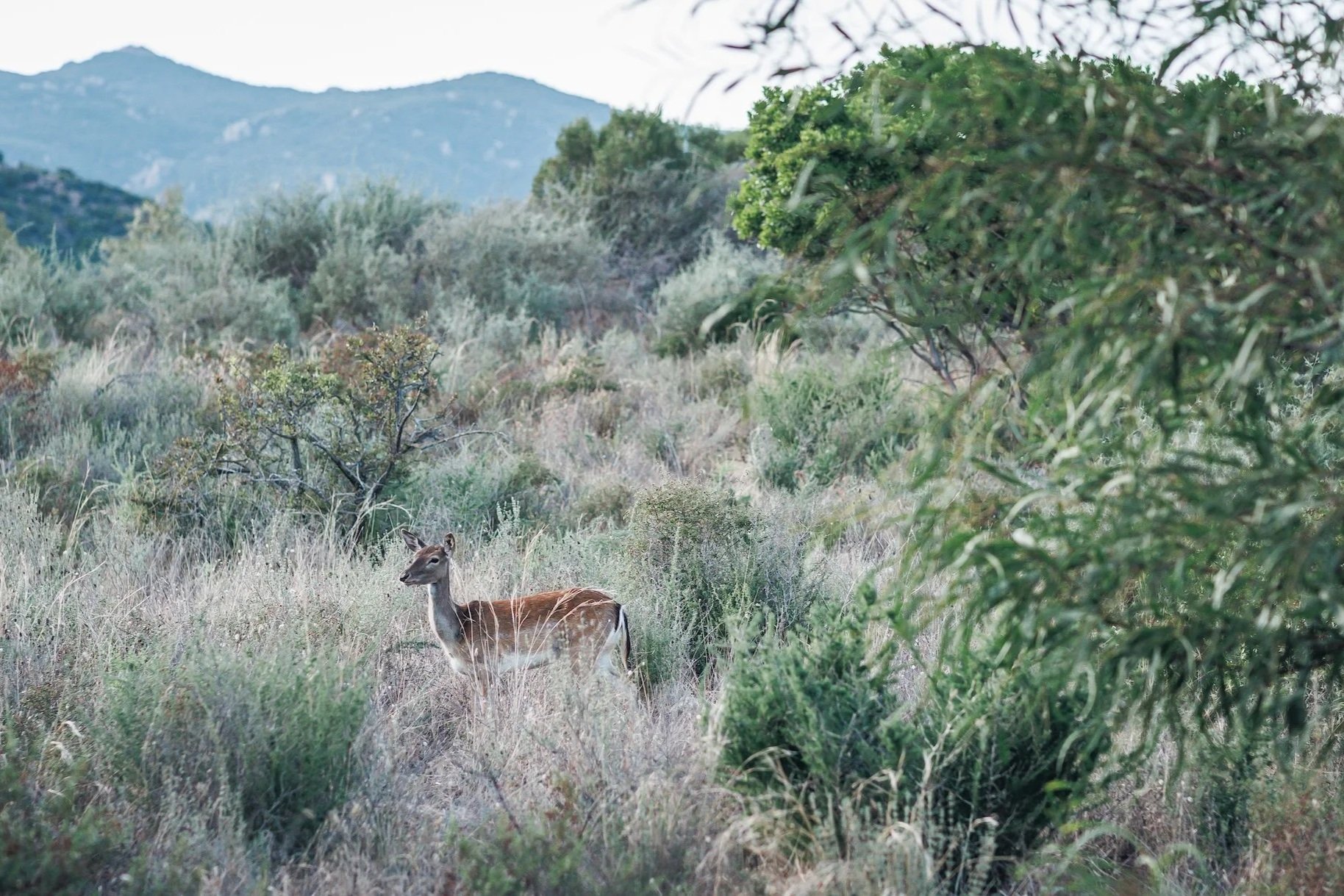
Wild beauty at Synergy, Sardinia 2025
THE SCIENCE OF NATURE-BASED HEALING
The science underpinning nature-based wellness is no longer fringe, it is well established and growing. Studies published in Frontiers in Psychology (2019) demonstrate that as little as 20 minutes in a natural environment can significantly reduce cortisol levels. The World Health Organization has also noted green spaces can promote mental and physical health and reduce morbidity and mortality, partly through psychological relaxation, stress alleviation and social cohesion. But beyond the data, what’s becoming increasingly clear is that nature supports something more foundational: nervous system regulation.
As Jess Brainch, Registered Psychologist and Founder of Find Your Wild, explains: “We cannot be well if our systems do not know how to experience safety. It is always step one. With guidance, and with wild spaces as our companion, guests have the opportunity to invite a state of regulation into their nervous systems.”
This is a critical distinction. In highly stimulating, fast-paced environments, many people are operating from a baseline of dysregulation, often without realising it. Nature offers a different input: slower, less demanding, more rhythmic and the body responds accordingly. Research from the University of Michigan also shows improvements in memory, attention and cognitive function after time spent in nature, reinforcing the idea that disconnection from digital overload supports reconnection to clarity.
At a deeper level, biodiversity plays a role. Studies suggest that more biodiverse or more biodiverse-perceived environments may be associated with greater perceived restorativeness and better emotional outcomes. And biologically, the connection continues. Research from the University of Helsinki suggests that contact with microbially rich natural materials can influence the human microbiota and may support immune regulation.
All of this aligns with the principles of Ecopsychology, which frames human wellbeing as inseparable from our relationship with the natural world. Jess comments from a lived, experiential perspective: “Spending time with nature brings us into the ecosystem in which we are designed to belong. When we are with nature, our systems respond to this inescapable and intimate relationship.”
This is where nature-based retreats begin to differentiate. They are not simply offering relaxation, they are facilitating a return to a baseline state that many people have moved away from.
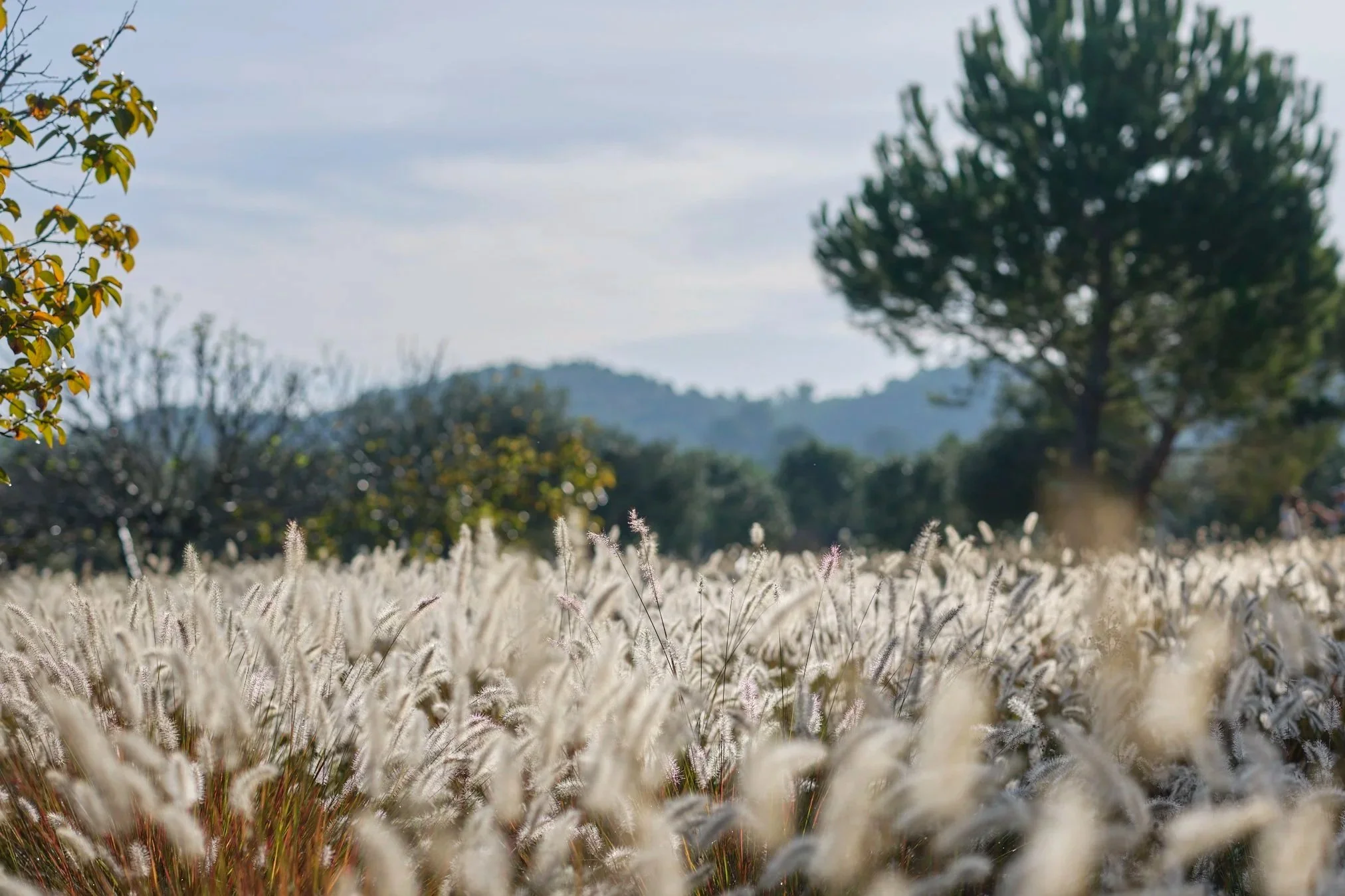
Stillness at Synergy, Ibiza 2022
DESIGNING NATURE-BASED WELLNESS PROGRAMMES
If the science explains why nature works, programme design determines how that potential is realised. What’s becoming clear is that effective nature-based experiences are less about activity, and more about how those activities are held.
As Laura Montesanti, Founder of Synergy, observes: “Adventure and ‘freedom retreats’ are surging; journeys that blend movement, nature, and self-discovery, tapping into our deep need to feel alive and untethered.”
This signals a shift away from rigid itineraries towards something more fluid, where freedom, play and exploration become central to the experience. There is also a growing understanding that meaningful change requires a degree of challenge.
“There’s a growing understanding that true transformation happens when we step outside our comfort zones,” Laura explains. “Adventure has become a catalyst for healing, an invitation to push beyond our comfort zone, reconnect with our instincts and rediscover the power within.”
Importantly, this isn’t about intensity or extremity. The most effective nature-led wellness programmes are intentionally designed to work with human biology, psychology and instinct. Rather than imposing structure, they create conditions for regulation, reflection and renewal.
Across the industry, we’re seeing the rise of more intuitive, accessible formats including:
Horse-riding retreats, where trust and non-verbal communication become therapeutic tools
Open-air breathwork and meditation, allowing regulation to occur in real-time with natural rhythms
Explorative journeys in remote or lesser-travelled destinations, prioritising curiosity over conquest
Blue-space immersion in lakes, rivers or ocean settings to amplify calm, creativity and emotional flow
Outdoor contrast therapy, grounding rituals and open-air movement practices
Grounding rituals and sensory awareness practices, such as barefoot walking and slow, tactile engagement with the landscape
Stargazing and night-sky contemplation, leveraging awe, scale and circadian realignment to deepen perspective
Farm-based and conservation-linked experiences, inviting guests to engage with soil, food systems and ecological restoration
Accessibility remains central. When guests are offered choice rather than performance, nature-based programmes become inclusive across ages, fitness levels and wellness familiarity, without losing depth or integrity. In addition, these experiences share a common thread, they reawaken instinct, without overwhelming the nervous system. There is a strong pull towards simplicity and in some environments, that impact becomes even more pronounced.
“Nature offers both perspective and nourishment: a quiet space for renewal and reconnection,” says Laura. “There is nothing quite like the raw, primal experience of being on safari. It strips you down to your essence, allowing you to disconnect completely and reconnect with yourself.”
Alongside this, aligning experiences with natural cycles, seasons, solstices, environmental shifts, brings rhythm back into the design of retreats. Not as a concept, but as something people can feel.
“Most of us have lost touch with the living principal that we are part of the natural ecosystem. The human-environment-animal trilogy is an active and vital cycle, which we need to embed ourselves in for long term health and wellbeing,” explains Jess. “Nature is not there to serve. It is not there to draw on to heal us. Until we move on from this paradigm and truly live as part of the natural world, we are not existing in accordance with how we are designed to live.”
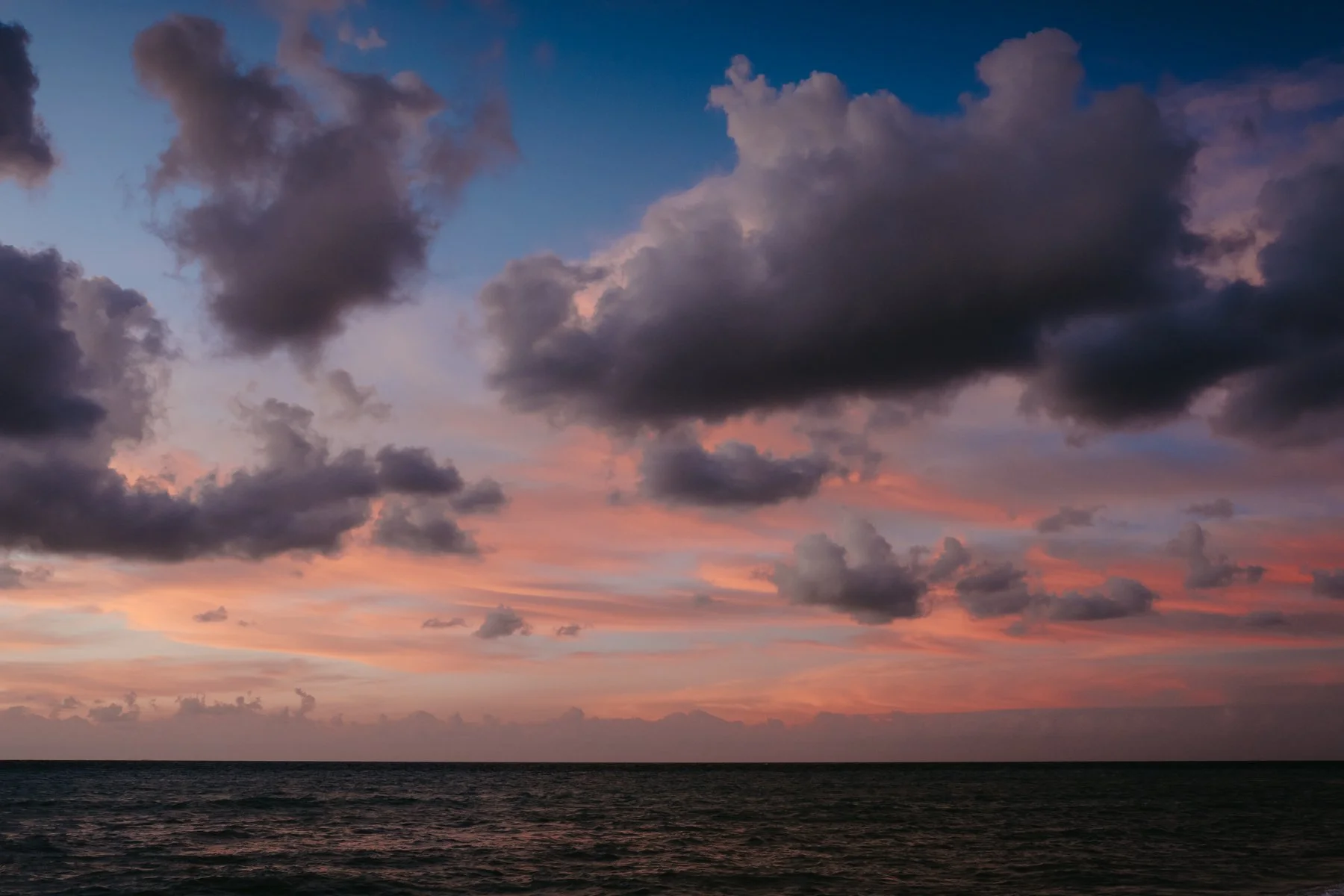
Sunset Synergy, Mexico 2023
BEYOND ACCESS: NATURE AS A HELD EXPERIENCE
One of the most important distinctions emerging in this space is the difference between simply being in nature and being guided within it.
As Jess explains: “It is important we differentiate between purely “accessing” nature and being with nature as a therapeutic or wellness experience. We can spend time in nature and feel the benefits. However, if we seek health, wellbeing and wellness related outcomes, this is a professional, systematic and guided experience with clear protocol and outcomes.”
This is where depth is created. In her work, experiences are not isolated moments, they are part of a wider journey: “We need to take ourselves on deep dives into exploring what we need at different phases of our lives. This is a weaving of full immersions into nature-based journeys, intimately resetting and supporting our systems away from the highly active worlds we often live in. From these experiences, we explore the micro parts of these journeys we can integrate back into our typical lives.”
This integrated approach - pre, during and post - is what allows nature-based work to move beyond inspiration into sustained change.
Jess also highlights the role of environment itself: “Witnessing how remote environments, wilderness, animals, simplicity and unfamiliarity, if created intentionally, can lead to engrained safety in one’s system.”
This reframes discomfort. Not as something to avoid, but as something that, when held correctly, becomes supportive rather than overwhelming. You can read more on the role of discomfort in adventure retreats in our interview with Scotty Johnson, from Explore What Matters.
BRINGING NATURE INDOORS
Nature-based wellness doesn’t begin and end outdoors, the most considered properties extend this relationship into their built environments.
Biophilic design, integrating natural materials, light and organic forms, has been shown to reduce stress and improve cognitive performance. with principles such as Feng Shui further supporting this by aligning space with natural elements and energy flow. In a recent article by Feng Shui Master Debra Hope Duneier, who will be supporting the onsite design of Synergy 2026, suggests wellness spaces balance the five elements (wood, fire, earth, metal, water) to evoke emotional equilibrium and harmony, as well as incorporating natural light and air.
Sensory design also plays a role, from temperature shifts in spa environments to natural acoustics and textures. “Nature, even in small doses, is powerful: plants, natural materials, daylight, airflow. Music and scent are tools I return to again and again. Music guides emotional states and carries people through different phases of a retreat. Scent works more subtly, a single fragrance experienced during a retreat can become an anchor. Later, that same scent can transport someone back to a moment of calm and clarity. That kind of embodied memory is incredibly powerful,” adds Laura.
Food is also an intricate part of this ecosystem. Research in food tourism suggests that local sourcing and authentic food experiences can strengthen guest satisfaction, place attachment and perceptions of authenticity.
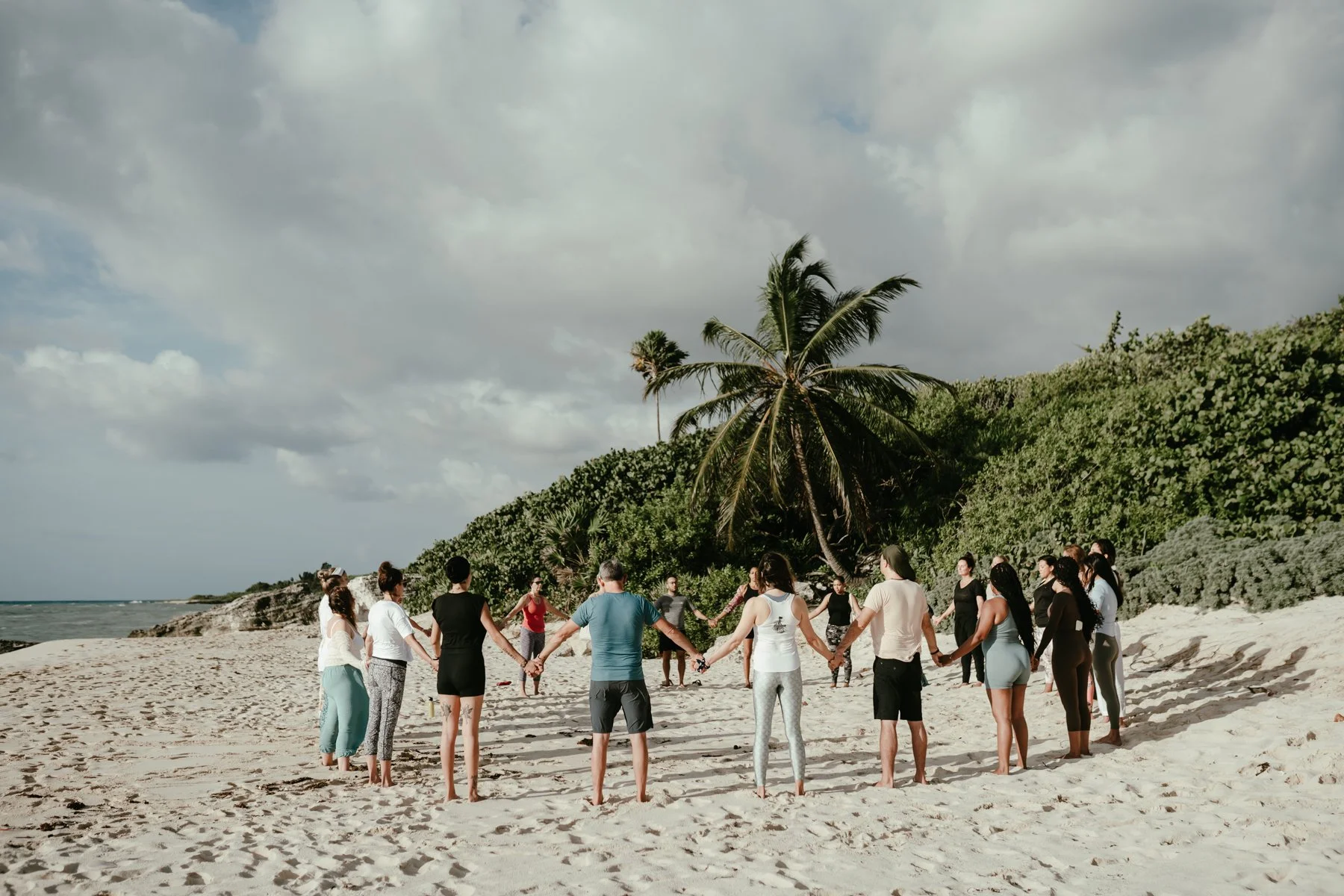
Together on the shores of Playa del Carmen at Synergy, Mexico 2023
THE CASE FOR NATURE WELLNESS
Alongside its experiential value, nature-based wellness presents a compelling commercial opportunity. The Global Wellness Institute estimates wellness tourism expenditures reached nearly $894 billion in 2024, reflecting the scale of demand for travel experiences linked to wellbeing.
Nature-led offerings often require less built infrastructure than traditional spa-heavy models, reducing operational costs while maintaining high perceived value. At the same time, they offer something increasingly rare in a saturated market: experiences that feel real, grounded and difficult to replicate.
This shift is also expanding the audience, as Laura Montesanti notes: “Nature remains the ultimate healer. People are seeking raw, outdoor, nature-immersive experiences.”
Jess Brainch reflects a similar shift: “People are looking for new solutions… There is a sense of relief when there is no pressure to be or feel a certain way. To be well, we need to meet ourselves exactly where we are.”
For many guests, this reframes wellness entirely, moving away from something prescriptive or performative, and towards something more instinctive.
Nature-led wellness programmes are also robust at attracting new wellness audiences:
Men seeking performance, recovery and purpose
Younger travellers craving authenticity and challenge
First-time wellness guests resistant to traditional spa culture
For properties, the opportunity is not to build more, but to design more thoughtfully. This means working with the landscape rather than over engineering it. Creating space for freedom, reflection and rhythm. Ensuring experiences are held with intention, not just added as activities and recognising that nature itself is not the backdrop, but the facilitator.
Ultimately, what both research and lived experience point to is the same conclusion: nature works.
“Nature will continue to be wellness’s greatest teacher,” Laura reflects. “The next wave of retreats is deeply regenerative, focusing on healing with nature rather than simply through it.”
“The human–environment–animal relationship is an active and vital cycle. Until we live as part of that, we are not existing in accordance with how we are designed to live,” adds Jess.
Perhaps this is the real shift taking place. Not towards something new, but back towards something fundamentally human. Time. Space. Rhythm. Connection. And the understanding that sometimes, the most valuable thing we can offer, is simply the right environment for people to reconnect with it all.
Interested in learning more? Join us at Synergy - The Retreat Show 2026 in Croatia. Enquiries to info@theretreatshow.com.