
ADVENTURE RETREATS: CONNECTION, COURAGE AND COMMUNITY
A conversation with Scotty Johnson, Founder of Explore What Matters.
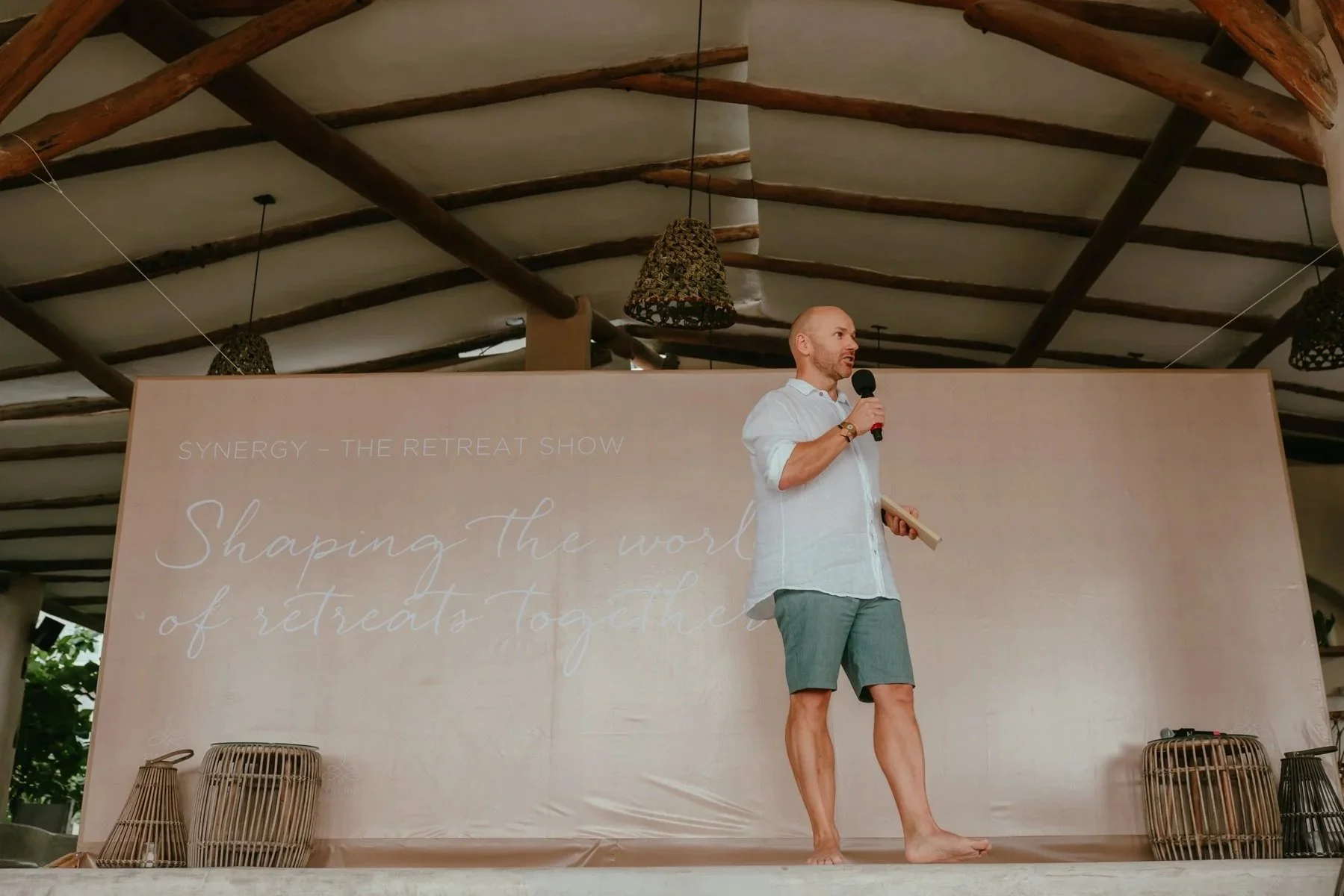
Q: How do you describe the work you do, and where do adventure retreats fit into it?
We’re not a retreat company. We’re not an adventure travel company either. Those are vehicles. Ultimately what we do is personal development through shared, profound experiences in nature. Where people can step away from their normal routines, gain perspective and reconnect with what really matters. That process is an adventure in itself.
I’ve never really used the word healing, and probably never would. It might be an outcome of what we do, but I’m not sure it fits for us as a marketing term. The same with transformation. Those words could imply there’s something wrong that needs fixing, and I don’t think that’s where most people are coming from. Language really matters. The words you use determine who turns up.
If you use language like healing or transformation, you’re tapping into a particular market. I think we use too many interchangeable words — purpose, meaning, healing, transformation, development — when they fundamentally mean different things.
If I had to summarise the outcomes of everything we do, it comes down to three things: Connection, courage and community.
Q: What are people actually gaining from these experiences?
There are three things people are lacking that we’re really good at helping with: connection, courage and community. Connection starts with connection to self; understanding identity, values, beliefs and where they come from. Then connection to other people. And also connection to the natural world, which we inherently know matters.
Courage is another big one. We are all wise in hindsight, so what stops us stepping up? There’s a difference between courage and confidence. Confidence is taking an action where you know the likely outcome, because you’ve done it before. Courage is taking action when you don’t know what will happen.
Fear drives everything. Fear stops us speaking up in meetings, starting businesses, running marathons or making big life decisions. What we try to do is help people build the confidence and connections that allows them to step into courage. I love the idea of “layers of undeniable paint”. Every time you do something and it goes well, it paints you with a layer of confidence. That builds over time and increases your capacity to act courageously. Self belief matters.
And then there’s community, which is where the real magic happens. You can’t do meaningful things on your own. We need trusted relationships. We need people who understand us, who support us and who have our back. The equation we work with is: Discomfort + support = growth. You can’t grow without some level of discomfort, but discomfort has to come with support, otherwise it simply becomes unhelpful suffering.
Q: Why use adventure and the outdoors as the setting?
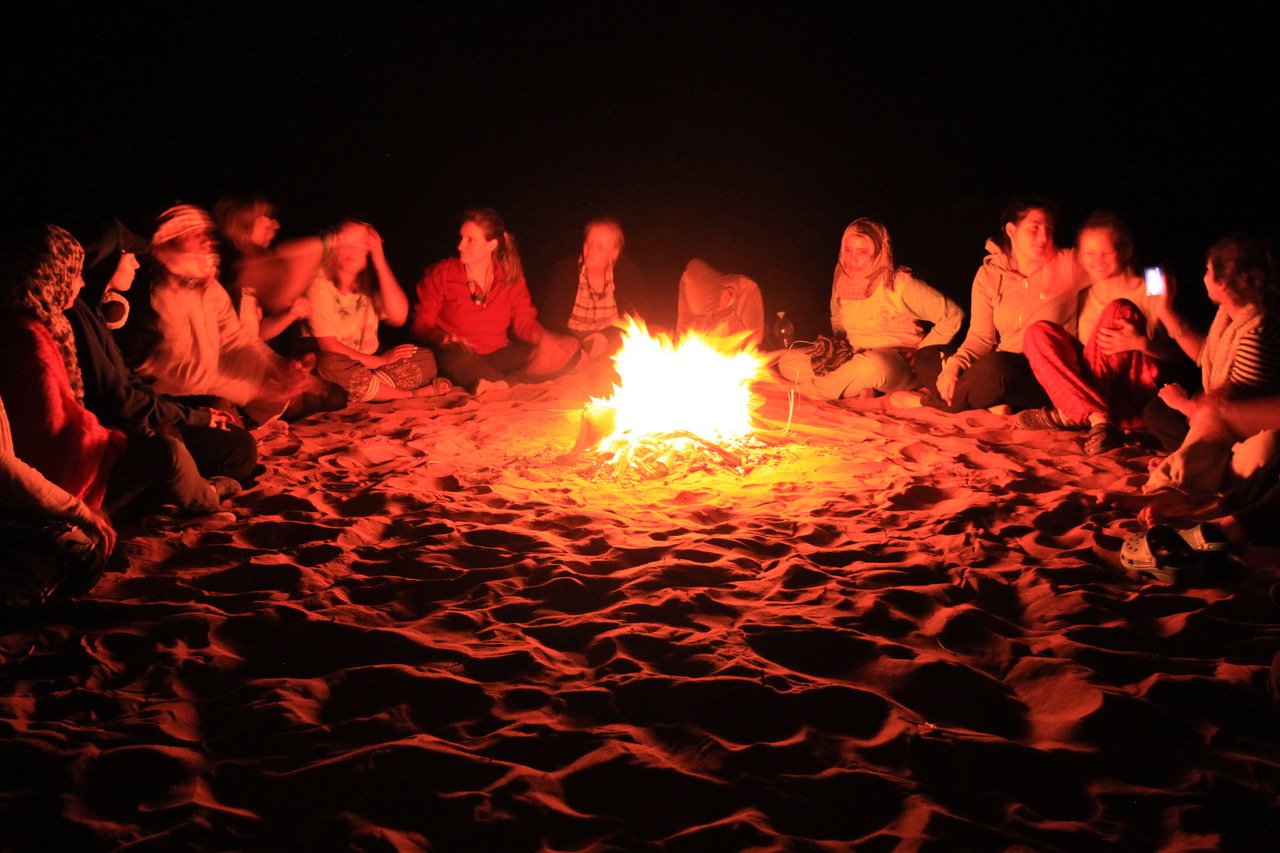
Memorable shared experiences create longevity of learning and impact. If you sit in a conference room and listen to someone speak for an hour with a PowerPoint presentation, it might be interesting at the time, but you probably won’t remember who you were sitting next to in a months time. But if we sit around a fire and I ask you, “Tell me about a time in your life when you overcame fear,” that conversation and relationship might stay with you for years.
Adventure and the natural environment create the conditions for that kind of experience. Nature works as a co-facilitator. We don’t oversell it. We don’t say we’re going into the woods because trees oxygenate the brain or use pseudo science.. We just go into the woods, because it works. There’s something powerful about the perspective the nature offers.
You sit under a huge night sky in the desert, looking at billions of stars, and suddenly the thing you were worrying about - an email, a meeting, something trivial - feels very different. Adventure creates the space for insight, awareness and perspective. And clarity tends to follow.
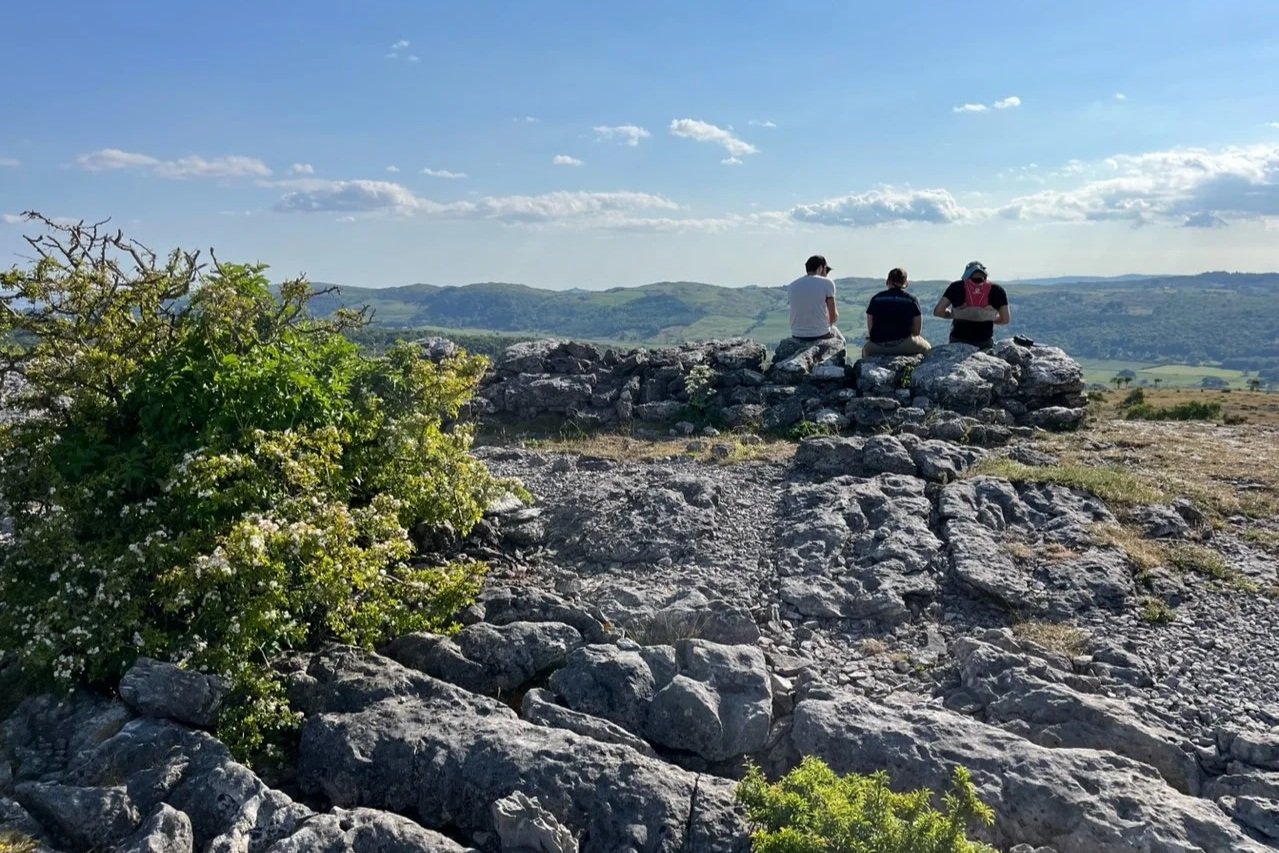
Q: Where is the line between adventure tourism and adventure as a wellness practice?
The difference is intention. Adventure tourism is usually about the activity. You climb the mountain, paddle the river, ski the slope. When adventure becomes part of a wellness practice, the activity becomes the vehicle rather than the objective. The purpose isn’t simply to complete the journey. It’s about what happens to you while you’re on it.
Walking, paddling or sharing time around a fire creates the environment where deeper conversations can happen. People start reflecting on their lives, their decisions and what and who matters to them. So the line is really about whether the adventure is the goal, or whether it’s the environment that allows something deeper to happen.
Q: What does adaptive adventure look like in a retreat setting?
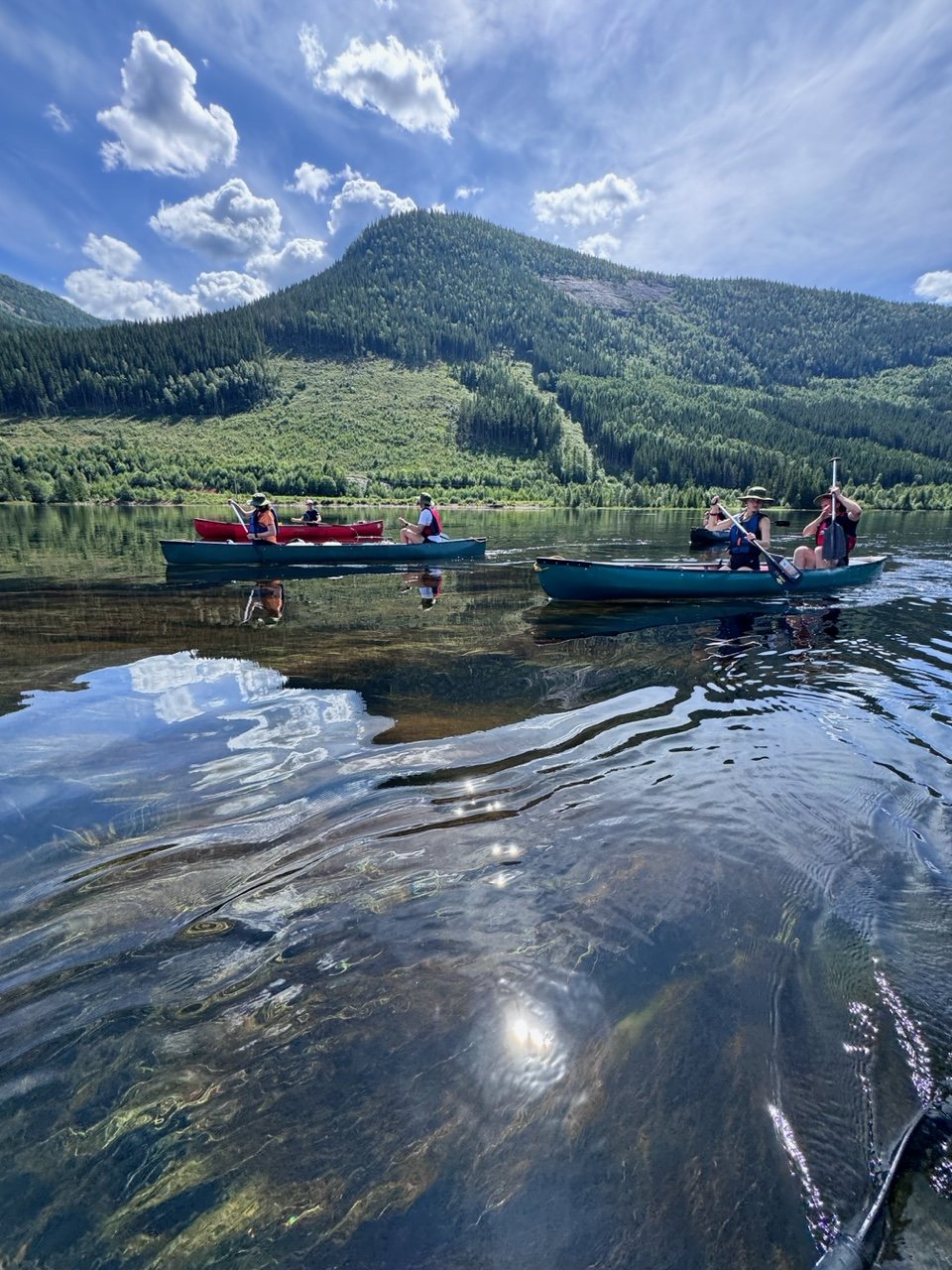
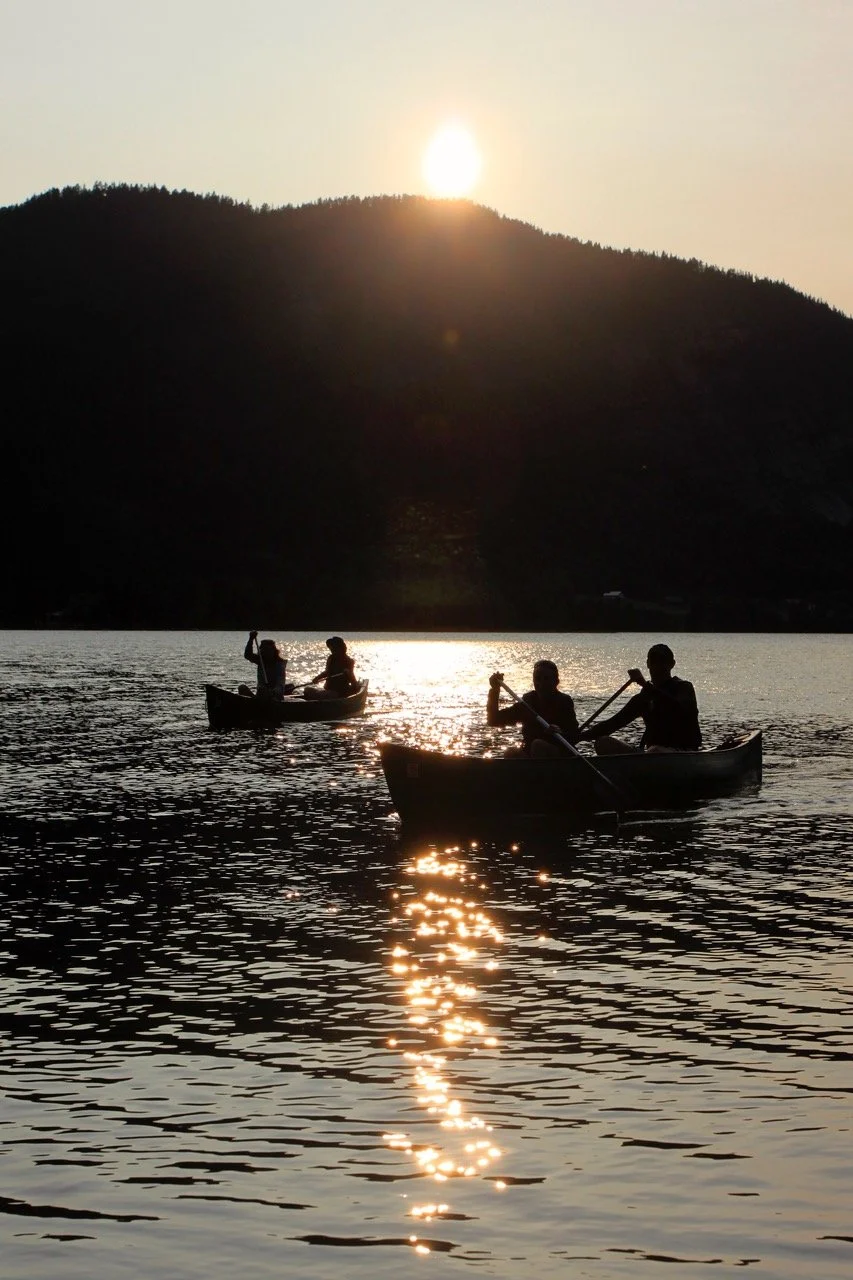
Adventure doesn’t need to be extreme, and it certainly shouldn’t exclude people with different levels of physical ability. People often assume adventure means pushing physical limits, but that’s not really the point. What matters more is stepping outside your normal environment and engaging with something unfamiliar. For example, you might spend several days canoeing down a slow-moving river. The physical demands are relatively accessible, but the experience still creates space for challenge, conversation and reflection along the way.
Adaptive adventure is really about thoughtful design. It means creating experiences where people can engage at different levels, while still feeling part of the shared journey. Sometimes the discomfort comes from the environment, the weather, sharing personal stories, or simply stepping away from technology and everyday routines. When that discomfort is supported and shared within a group, it becomes constructive rather than overwhelming. And that’s where the growth tends to happen.
Q: What mistakes do you see when adventure is added to retreats without enough intention?
The biggest mistake is treating adventure as just another activity rather than thinking about design aligned to the needs of the participants. Sometimes retreats become a schedule of things to do, kayaking in the morning, hiking in the afternoon, cold water swimming the next day.
Adventure works best when it’s integrated into the experience rather than added on. If people are constantly moving from activity to activity, they miss the opportunity for reflection and conversation, which is where the real value sits.
Another mistake is making the challenge too extreme. Adventure doesn't have to be about adrenaline. For us it’s about creating the right environment for insight and perspective to emerge. Sometimes the most powerful experiences are incredibly simple, walking in woodland, sitting quietly for a while with a big view or sharing stories around a fire. People need more time, space and simplicity.
Q: Why do men and younger travellers often respond more openly to adventure-led wellness?
A lot of it comes down to marketing language and what box people put the experience in. If you describe something as a retreat that involves healing or is for ‘wellness’, many men simply won’t sign up for it. That’s just the reality, particularly in the UK. But if you describe the same experience as time in the great outdoors and the chance to pause for perspective, suddenly it becomes accessible.
The interesting thing is the experience itself doesn’t really change. I’ve witnessed men from very conservative backgrounds shed buckets of tears during experiences we’ve run. Quite often they’ll say it’s the first time they’ve ever cried in public or shown vulnerability. But they never would have signed up for something that was overtly about healing. The irony being of course that we could all benefit from moments to share a bit of our story, what has shaped us and what our challenges are.
As my first mentor said to me, the only way to truly develop relationships is to share a little of our suffering. A ‘facilitated adventure’ simply provides a different doorway in.
Q: What assumptions about adventure do you most want to challenge?
The biggest misconception is that adventure is only for very fit people or big well known personalities. Adventure can be incredibly simple. It might just be walking through woodland, paddling a canoe or sitting around a fire having a conversation about what matters in life. Adventure is really about perspective. It takes you out of your everyday environment and helps you see things differently.
Q: Where do you see adventure wellness heading over the next decade?
I think people are increasingly looking for experiences that feel real. There’s growing fatigue around highly packaged wellness programmes where everything is scheduled and prescribed. What people want is time out. Genuine time out. People crave clarity. They want space to think, to talk and to reconnect with what matters.
Adventure creates those conditions naturally. When you step away from normal routines, technology and busy environments, something shifts. So I think the future of this space is less about wellness products and more about experiential personal development. At least that's what we will be doing!
Q: What advice would you give properties wanting to introduce adventure wellness credibly?
Start with intention. Don’t over promise - especially transformation! Let your client testimonials do the selling. Adventure isn’t about building extreme activities or complicated programmes. Some of the most powerful experiences come from very simple environments. The key is how the experience is held.
If you’re introducing adventure into a retreat environment, work with people who understand facilitation and how to create psychologically safe spaces where people can explore things at their own pace.
Nature will do a lot of the work itself. Often the most valuable thing you can offer people is simply time, space and a supportive environment.
Q: What keeps calling you back to this work?
It’s the moments when you see something shift for someone and when we hear people are still in touch decades later. It might be a conversation around a fire where someone realises they’re not alone in something they’ve been carrying for years. It might be someone finding the courage to make a decision they’ve been avoiding.
What we’re really doing is helping people reconnect, with themselves, with others and with the world around them. Hearing the impact it has on clients -”The journeys I’ve done with Explore What Matters take me out of my normal patterns and put my mind back into a state of curiosity, learning, and wonder.”
The experience doesn’t end when the experience finishes. In many ways, that’s when it begins.
Explore What Matters designs curated experiential journeys for people seeking challenge, clarity and connection in extraordinary natural environments.
CONNECT WITH SCOTTY
LinkedIn | Instagram | ExploreWhatMatters.Com