THE EVOLUTION OF HEALING: ANCIENT TRADITIONS, MODERN PRACTICE
Healing has continually evolved alongside our understanding of health. From the philosophies of Ayurveda and Traditional Chinese Medicine to advances in neuroscience, longevity research and medical diagnostics, each generation has expanded our understanding of what it means to live well.
Today, rather than replacing traditional approaches, modern science is increasingly validating many of their underlying principles. At the same time, technology and clinical research are enabling wellness practitioners to personalise programmes with a level of precision unimaginable even a decade ago.
For wellness travel, this convergence is reshaping expectations. Guests are no longer looking simply for beautiful settings or a menu of treatments. They want to understand the philosophy behind a programme, the expertise of those delivering it and how the experience can support their wellbeing beyond the retreat itself.
Laura Montesanti, Founder of Synergy – The Retreat Show, believes this marks an important shift for the industry.
"We're witnessing one of the most significant shifts the wellness industry has experienced. For many years, ancient wisdom and modern science were often presented as separate conversations. Today those worlds are beginning to converge. Scientific research is validating practices that traditional healing systems have understood for centuries, while modern medicine is embracing a more holistic understanding of health that considers the whole person, not simply their symptoms.”
Whether the focus is Ayurveda, longevity, movement, sleep science or medical wellness, there is growing recognition that the future of healing lies not in choosing between different approaches, but in understanding how they can work together.
We spoke to the experts.
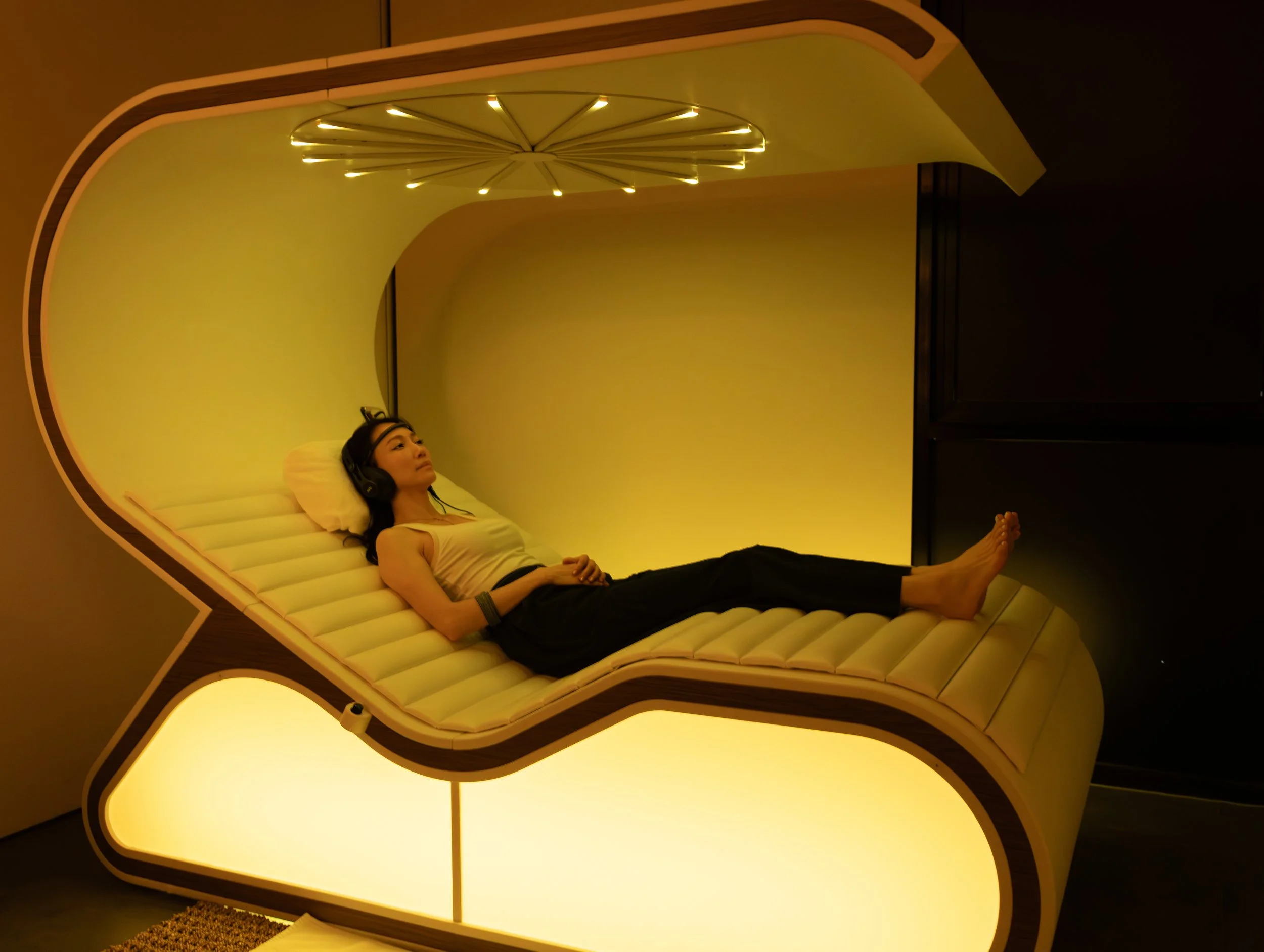
Image courtesy of REVĪVŌ Wellness Resort, Bali
ANCIENT WISDOM, MODERN EVIDENCE
Few traditional healing systems illustrate this convergence more clearly than Ayurveda. Often reduced to treatments or spa rituals, it is in fact a comprehensive system of medicine centred on understanding the individual, maintaining balance and supporting health before illness develops. Its principles of daily rhythm, prevention and personalised care are increasingly resonating within contemporary wellness.
For Nikhil Kapur, Director of Atmantan Wellness Centre, modern science is not replacing ancient wisdom but helping explain why many of its principles remain so relevant:
"The first is Prakriti - that every person has a distinct constitution, and health means living in accordance with yours, not someone else's. We now call this personalised medicine, and it is increasingly what guests are asking for. Ayurveda began with that understanding over 5,000 years ago.”
He continues: "The second is its orientation towards prevention. From our texts, Swasthasya Swasthya Rakshanam - protecting the health of the already healthy - is expressed through daily rhythm or Dinacharya: our daily rhythm of waking, eating, moving and sleeping.”
"Three scientists received the Nobel Prize in 2017 for discovering how the body's internal clock functions at a molecular level. Ayurveda recognised the importance of circadian rhythm thousands of years ago. Today we know that disrupting those rhythms contributes to obesity, diabetes, cardiovascular disease and depression,” he adds.
Rather than competing philosophies, traditional healing and modern medicine increasingly offer complementary perspectives. One provides enduring principles for living well; the other offers the diagnostic tools and scientific understanding to measure, monitor and personalise those principles for contemporary life.
"Ayurveda and modern medicine do different jobs - one tells you how to live, the other tells you where you stand. I don’t see them as equal, and in my opinion they operate as layers. The traditional knowledge systems sit at the foundation – how you eat, sleep, move, breathe. This foundation layer determines the majority of our long term health and through Ayurveda, Yoga, Siddha provide treatment protocols for a very wide range of ailments. Modern diagnostics then sit on top of this foundation layer and help us measure various parameters and personalise the treatment programmes. They aren’t replacing the traditional knowledge, they are in fact proving it,” explains Kapur.
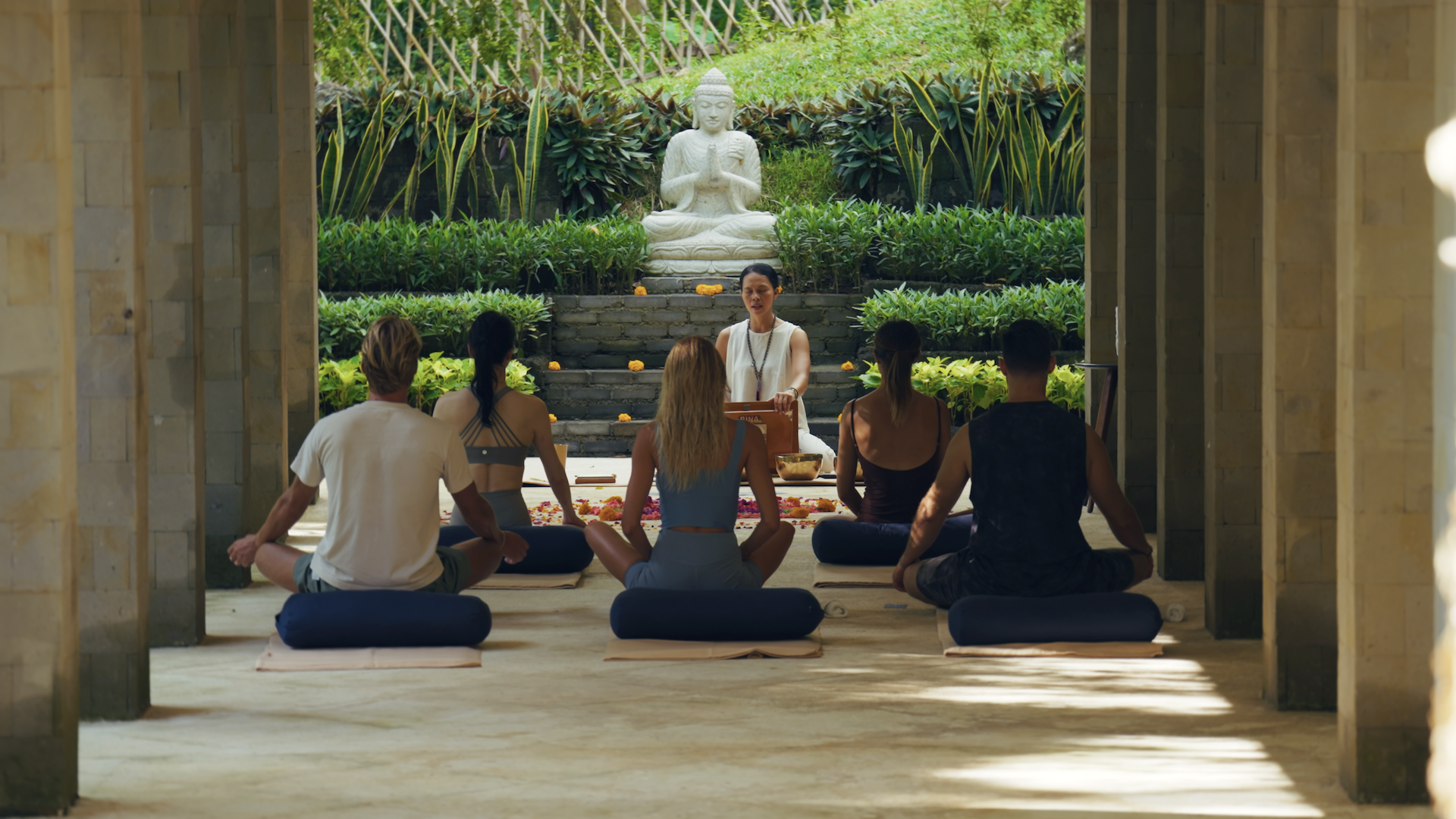
Image courtesy of REVĪVŌ Wellness Resort, Bali
FROM TREATMENT TO PREVENTION
As understanding of health has evolved, so too has the role of wellness travel. Increasingly, retreats are moving beyond short-term restoration towards helping guests understand their own health and make changes that can continue long after they return home.
Florence Wong, Chief Executive Officer of REVĪVŌ Wellness Resorts, sees this shift being driven in part by changing guest expectations.
“This shift is being driven by guests who no longer want to just switch off for a week. They want measurable, lasting transformation grounded in science,” she says.
It is an evolution that has also influenced REVĪVŌ’s own approach, she explains: “That’s why REVĪVŌ has moved from positioning itself as a ‘wellness resort’ to a full wellness and longevity programme destination, with science-backed treatments rather than trends, and personalised pathways to vitality that aim for real impact on healthspan.”
But Wong is clear that treatment alone is not enough to create meaningful change:
“True change must stem from a transformation of the mind, not a quick fix. Across every REVĪVŌ programme, daily habit coaching is built directly into the guest journey. Each of our six wellness pillars works in harmony to deliver a lasting outcome that guests can carry home.”
Looking ahead, she expects this emphasis on longer-term outcomes to become increasingly important, alongside a more individualised approach to retreat programming.
“We anticipate guests wanting bio-individualised protocols that are grounded in science instead of trends. Intimacy is also expected to matter more than scale to preserve depth and discretion.”
Ultimately, this may change how the success of a retreat itself is measured.
“Above all, we believe the true measure of a successful retreat will increasingly be whether the habits guests build actually survive the trip home, which is why programmes are built around take-home tools and action plans rather than onsite treatments alone.”
The evolution, then, is not simply towards more sophisticated treatments or technologies. It is towards retreat experiences that give guests greater understanding, practical tools and new habits to take into everyday life, extending the value of the experience beyond the retreat itself.
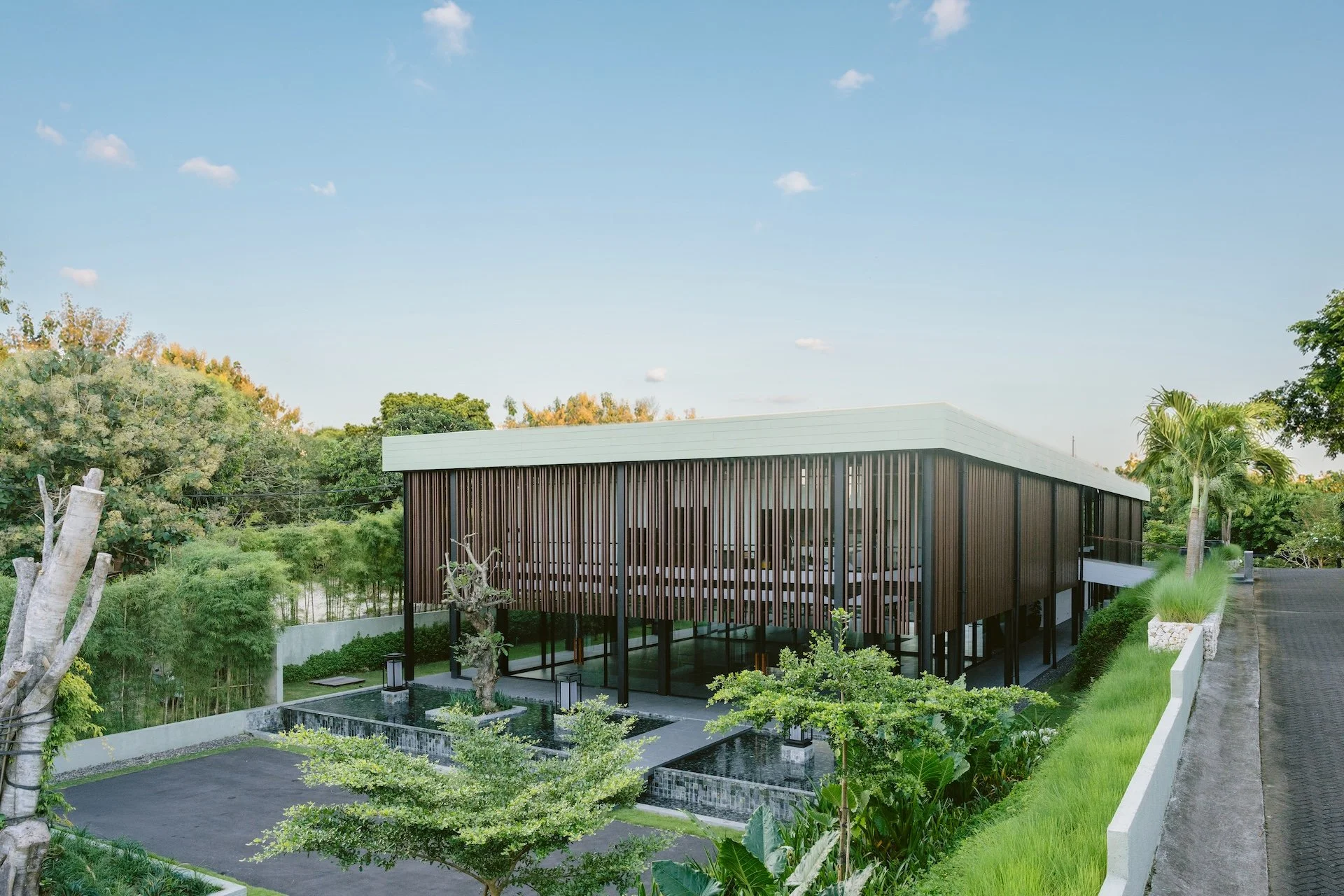
Image courtesy of REVĪVŌ Wellness Resort, Bali
EMBODIED HEALING
Alongside advances in medical science, there has also been a significant shift in how the relationship between mind and body is understood. Within wellness, this is increasingly reflected in a move beyond mindset-focused approaches towards practices that consider the nervous system, embodiment and our capacity to experience safety and connection.
For Jen Palmer, Embodiment Specialist and Somatic Coach, somatic work is an important part of that evolution.
“For so long, we approached healing as something we could think our way through. But the nervous system doesn’t speak the language of logic — it speaks through sensation, safety and connection,” she explains.
“Somatic work helps us move beyond understanding our stress to actually transforming how it’s held in the body. When we learn to regulate our nervous system, we create the conditions for greater resilience, healing, presence and a deeper connection to ourselves, others and the natural world.”
For Palmer, this understanding is not an additional layer to wellbeing, but something much more fundamental.
“I truly believe it is the foundation of all healing. If we don’t feel safe in our bodies, our other systems simply cannot operate the way we need them to.”
This also has implications for how retreat experiences are designed. “In reality, it’s about creating environments where people feel safe, have choice and can move at their own pace. Some of the most powerful healing happens not by pushing people deeper, but by helping them feel more grounded, regulated and connected in the present moment,” she explains.
That emphasis on safety, presence and connection extends beyond any particular therapeutic modality. Palmer believes practitioners across the retreat space can benefit from a foundational understanding of the nervous system and how to create genuine safety and presence.
“Whether you’re leading a retreat, coaching, teaching yoga or guiding wildlife experiences, people don’t heal because of the technique alone — they heal because they feel seen, supported and safe enough to reconnect with themselves. That human connection is at the heart of every meaningful transformation,” she adds.
Amy Buck, Founder of ALIGN Holistic Fitness, believes movement has always been central to that process, even if the language used to describe it has changed:
"The body has always been central to healing. Ancient cultures recognised this long before we had the scientific language to explain it. As we deepen our understanding of the nervous system, we're discovering why conscious movement creates the conditions for resilience, recovery and emotional healing.”
"I don't believe we're rediscovering movement. I believe we're remembering the power of awareness. Movement has always been part of what it means to be human; what we're changing is the quality of attention we bring to it,” she adds.
"The mind can help us understand our story, but the body changes our relationship with it. Conscious movement teaches one of the most overlooked skills in modern life: how to pay attention. In a world constantly pulling our attention outward, movement gently brings us back to ourselves.
"When we move with awareness, we're not simply strengthening muscles or improving flexibility. We're creating opportunities for the nervous system to feel safe enough to let go of patterns it may have been holding for years. That's where movement becomes much more than fitness—it becomes a pathway towards healing," Buck explains.
Movement, breathwork, mindfulness and education are increasingly being woven together rather than delivered as isolated experiences. Each offers a different way of supporting self-awareness, recovery and resilience, recognising that healing is rarely linear and is always deeply personal.
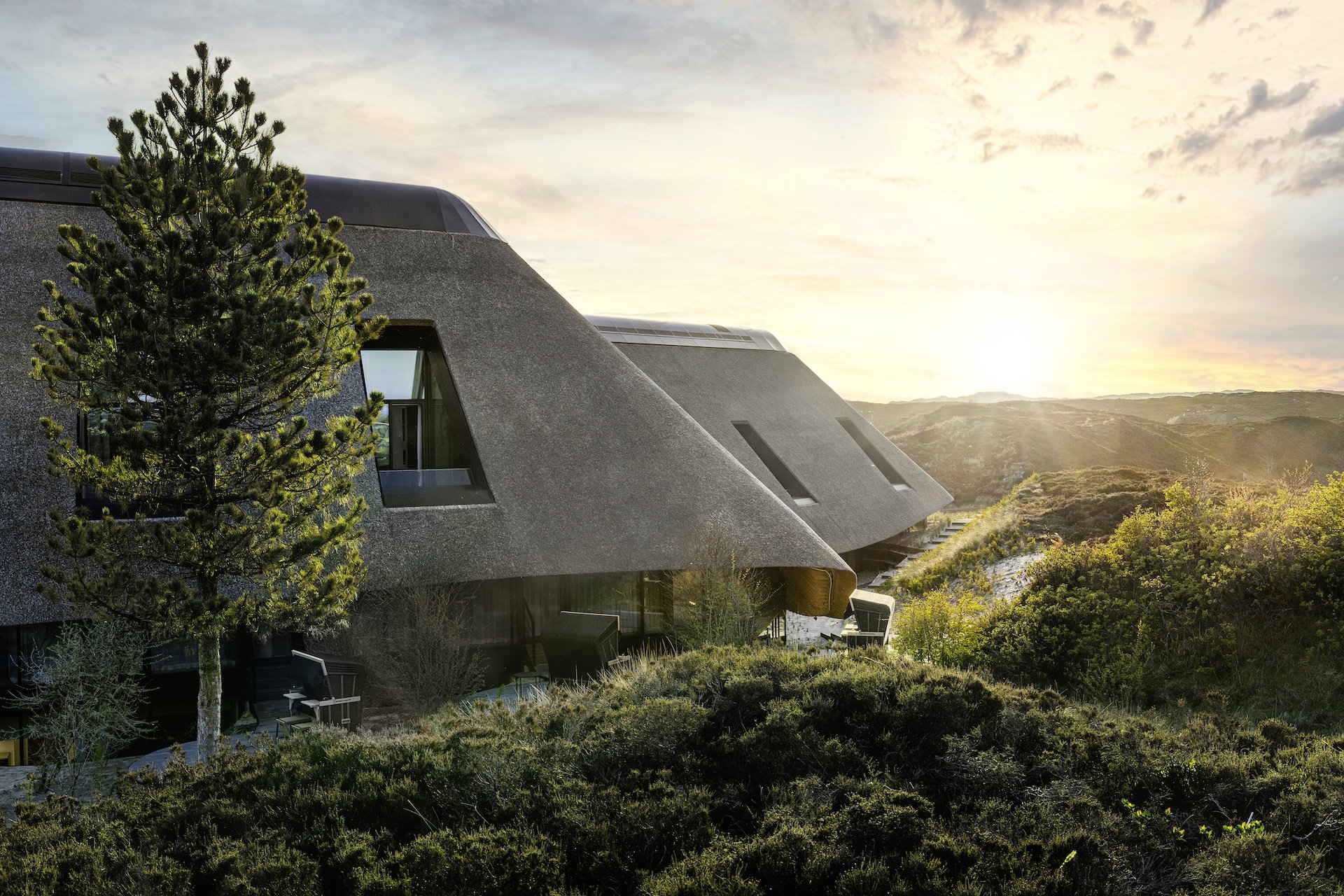
Image courtesy of Lanserhof
WHY SLEEP MATTERS
Sleep has undergone a significant shift in perception within modern wellness. Once viewed primarily as a period of rest — and even as an unproductive use of time — advances in sleep research have revealed its fundamental role in restoration, repair and overall health.
For Kate Blyth, Founder of Intuitive Sleep, this growing understanding is changing the place sleep occupies within the wider healing landscape.
“One of the biggest shifts in the wellness space over the past decade or so has been the growing recognition of sleep as an integral part of modern healing,” she explains. “We now understand sleep to be far more than just rest; it is a vital and active biological process that coordinates restoration and repair.”
“The healing capacity of sleep is profound, and no other biological process influences every system in the body quite like it, making it one of the most powerful drivers of recovery, resilience and long-term health,” she adds.
For Blyth, this means reconsidering the familiar idea of sleep as simply one component within a wider wellness programme. For retreat providers, this creates an opportunity to bring specialist sleep expertise into existing wellness programmes, rather than treating sleep as an isolated offering.
“The more I learn about sleep, the less I see it as another pillar of health and the more I see it as the foundation that allows all the other pillars to stand. Sleep science is a specialised clinical field, which is why I believe the greatest opportunity for retreat providers is to integrate specialist sleep expertise alongside their wellness practices. Collaboration brings greater depth, precision and scientific credibility to their offering.”
Chronobiology offers another area of potential. Rather than focusing solely on what guests do during a retreat, it considers when different behaviours and interventions take place.
“One of the most vital aspects of this field is that when we do something can be just as important as what we do. Light exposure, movement, meals and even hot and cold therapies all provide powerful timing signals to the body’s circadian system,” she adds. “Sleep is not something that simply happens at night; it is built during the day, and healthy sleep behaviours begin long before bedtime.”
Rather than trying to control every aspect of it, Blyth advocates supporting the behaviours and biological rhythms that enable healthy sleep to occur naturally.
“After years of biohacking, tracking and the pursuit of optimisation, there is growing recognition that holistic wellbeing is not created by constantly measuring more, but by understanding and supporting the fundamental biological systems that allow us to thrive.”
For retreats, this creates an opportunity to combine scientific understanding with something much more fundamental: reconnecting guests with the natural signals our bodies have evolved to respond to. Natural light and dark cycles, outdoor movement, slowing down and time in nature can all support the biological systems involved in sleep and recovery.
“Technology should enhance rather than replace the powerful biological signals provided by nature. The opportunity is to create environments where technology, science and behavioural change work together to support healing in a way that feels deeply restorative and creates lasting change beyond the retreat itself,” she explains.
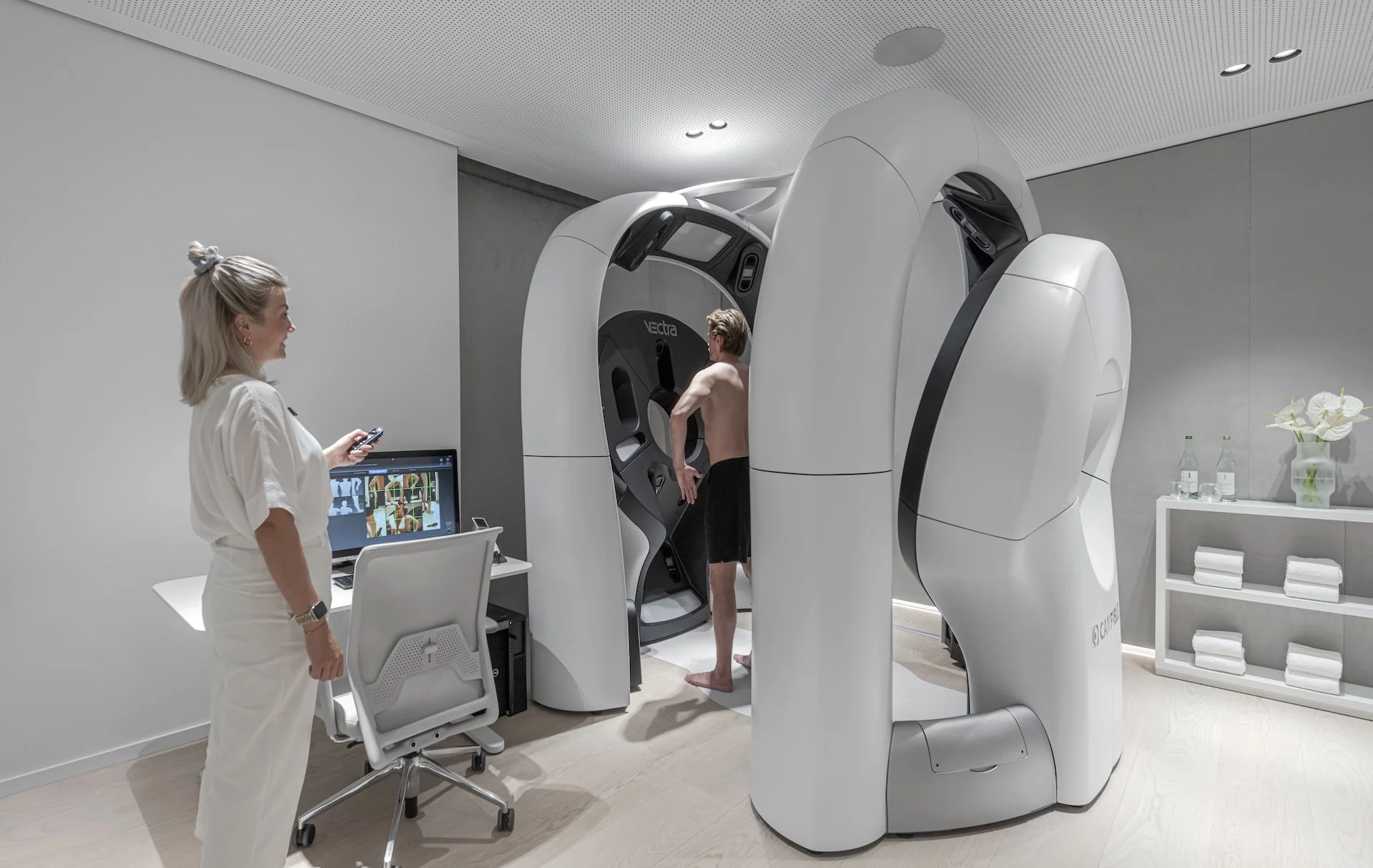
Image courtesy of Lanserhof
THE EVOLVING ROLE OF THE PRACTITIONER
As wellness becomes more evidence-led, the role of the practitioner is becoming increasingly important. Guests are asking deeper questions about qualifications, programme design and clinical expertise, but they are also looking for something that cannot be measured by diagnostics alone: trust.
Heather A. Lee, LCSW, NMCF Certified and Licensed Psychedelic Medicine Facilitator, Founder and Director of Founder and Director Heather A. Lee, has spent three decades working across areas including hospice care and psychedelic medicine. While new modalities continue to emerge, she believes some of the fundamental principles of healing remain unchanged.
“Every modality I’ve studied in thirty years — from hospice bedsides to psilocybin sessions — rests on the same foundation: presence, not technique. The therapeutic relationship heals; the medicine or method just opens the door. What’s timeless is holding space without an agenda, meeting people where they are, and trusting that the client’s own wisdom — not mine — is the real medicine.”
Lee works primarily with women in the second half of life, many of whom hold decades of unprocessed loss and unacknowledged trauma. For retreats offering psychedelic experiences, she believes the responsibility extends far beyond the experience itself.
“Programmes and retreats need to be skilfully developed and facilitated by seasoned mental health practitioners as they are responsible for the integration of these transformative experiences, not just the session itself — the work that happens in the weeks after is where lasting change actually takes root.”
As psychedelic approaches become more visible within the wider wellness landscape, the experience and integrity of those delivering them will become increasingly important. For Lee, the future will not necessarily favour those offering the newest treatment or protocol.
“The next decade will separate practitioners who chase novelty from those who’ve done their own inner work. As psychedelics move from underground to mainstream, the most trusted providers won’t be the ones with the flashiest protocol — they’ll be the ones with clinical rigour, humility and enough lived experience to sit with whatever arises.”
Ultimately, amid an expanding landscape of therapies, technologies and modalities, some of the qualities that create confidence in a practitioner remain remarkably traditional.
“Trust will be earned the old way: through outcomes, ethics and time.”
As new approaches enter mainstream wellness, professionalism and ethical practice become as important as innovation itself. Modalities may continue to evolve, but Lee’s perspective points to something more enduring at the heart of healing: the quality of the relationship, the integrity of the practitioner and their ability to create the conditions in which an individual can access their own wisdom.
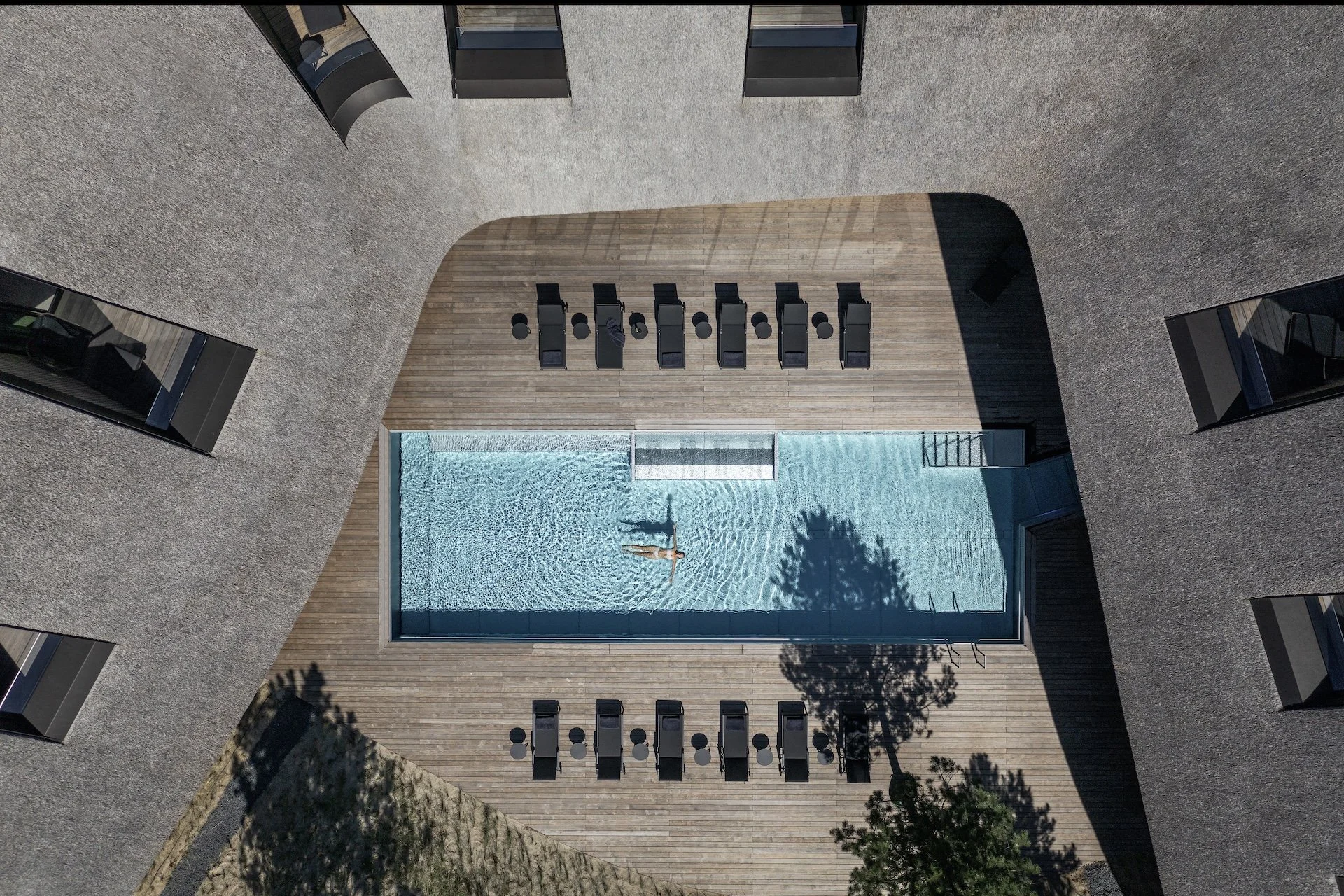
Image courtesy of Lanserhof
WHERE SCIENCE MEETS HOLISTIC CARE
As medical wellness continues to evolve, the distinction between clinical and holistic approaches is becoming less defined. Rather than viewing them as competing philosophies, there is growing potential to bring evidence-based medicine together with practices that consider the wider physical, mental and emotional wellbeing of the individual.
Eva Maria Hasenauer, Chief Commercial Officer of Lanserhof Group, sees this integration as an important part of the future of healing.
“Medical wellness is transforming the future of healing by combining evidence-based medicine with holistic practices such as nutrition, movement, mindfulness and stress management,” she says. “This integrated approach focuses on treating the whole person — not just the illness — leading to better prevention, faster recovery and improved long-term wellbeing.”
Alongside this integration, data, diagnostics and technology are creating new opportunities for greater personalisation. Used effectively, they can provide a more detailed understanding of an individual’s health, lifestyle and needs, allowing wellness programmes to respond accordingly.
“Data, diagnostics and technology can make wellness programmes more personalised by providing insights into each individual’s health, lifestyle and needs,” she explains. “However, the human connection remains essential. Technology should support — not replace — the empathy, trust and guidance that healthcare professionals provide.”
Looking ahead, she expects the wellness centre of the future to move beyond the traditional idea of the spa or retreat, with longevity and long-term wellbeing playing a much greater role.
“Tomorrow’s wellness centres will place a much stronger emphasis on longevity, helping people make wellness an integral part of everyday life rather than an occasional escape. By combining preventive medicine, personalised health insights, holistic therapies and lifestyle coaching, they will support long-term physical, mental and emotional wellbeing,” she continues.
Technology and diagnostics may continue to expand what is possible within wellness, but Hasenauer’s perspective also reinforces a theme running through the evolution of healing: progress does not necessarily mean replacing what came before. Instead, the opportunity lies in bringing different forms of expertise together — using science and technology to deepen personalisation while preserving the empathy, trust and human connection that remain fundamental to care.
A NEW CHAPTER FOR HEALING
Healing has never followed a straight line. Ancient traditions offered whole-person philosophies rooted in nature, rhythm and community. Modern medicine brought unprecedented scientific understanding and clinical capability. Somatic and trauma-informed approaches restored attention to the body and nervous system, while advances in technology are enabling new levels of measurement, insight and personalisation.
Montesanti believes the future of wellness travel will be shaped by how these perspectives are brought together:
"I don't believe the future belongs to destinations that simply offer more treatments or increasingly elaborate programmes. It belongs to those that truly understand people.”
"Ancient wisdom, scientific evidence and exceptional hospitality all have an important role to play, but it's the way they're brought together that creates something genuinely transformative. Guests are looking for experiences that recognise their individuality, respect the complexity of their lives and help them build healthier futures beyond the retreat itself,” she adds.
The future is unlikely to belong to a single philosophy, modality or technology. It will draw from many traditions, combining cultural wisdom with scientific evidence, clinical expertise with human connection, and innovation with a respect for the practices that have shaped wellbeing for centuries.
Whilst the methods continue to evolve, the central need remains the same: to create the conditions in which people feel safe enough, supported enough and connected enough for healing to begin.