
AYURVEDA: A TIMELESS SCIENCE
Ancient Wisdom, Modern Context and the Future of Authentic Healing
Over the past decade, Ayurveda has become increasingly visible within wellness travel. Once associated primarily with specialist retreats in India and Sri Lanka, it now appears in luxury resorts, destination spas and wellness programmes around the world. Yet as awareness has grown, so too has the risk of misunderstanding.
For many travellers, Ayurveda has become synonymous with oil massages, herbal treatments or detox programmes. While these may draw inspiration from Ayurvedic traditions, they represent only a small part of a sophisticated system of medicine centred on understanding the individual, restoring balance and supporting long-term health.
As Laura Montesanti, Founder of Synergy – The Retreat Show, observes:
“One of the reasons Ayurveda feels so relevant today is because it begins with the individual. At a time when so much of modern life is standardised, Ayurveda reminds us that wellbeing is deeply personal. There is no single solution that works for everyone, and that’s a philosophy that increasingly resonates with today’s traveller.”
Across the leading Ayurvedic retreats we spoke to, there is a shared commitment to preserving that philosophy. While each destination has its own approach, the principles remain remarkably consistent: authentic Ayurveda is physician-led, deeply personalised and rooted in understanding the causes of imbalance rather than simply managing symptoms.
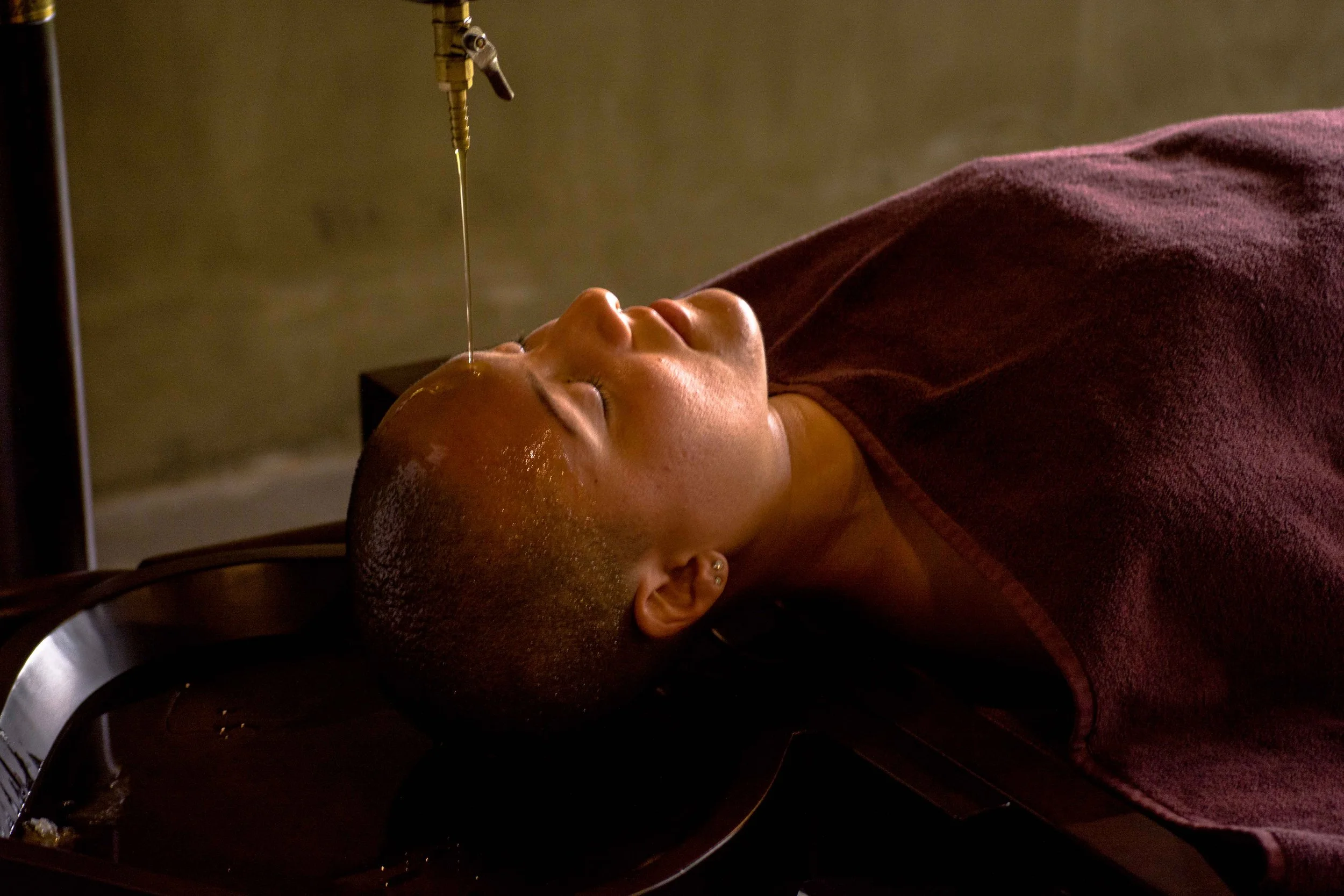
Shirodhara. Image courtesy of Santani Wellness Kandy
MORE THAN A SPA EXPERIENCE
For many providers, one of the greatest challenges is redefining what Ayurveda actually is.
Buddhisha Senanayake, Market Manager at Ayu Sri Lanka, believes one of the biggest misconceptions among international visitors is that Ayurveda is simply another spa experience:
“One of the biggest misconceptions about Ayurveda is that it is merely a spa treatment or a series of relaxing massages. In reality, Ayurveda is a comprehensive system of medicine focused on prevention, healing and long-term wellbeing. Many travellers are surprised to learn that authentic Ayurveda is highly personalised, with treatments tailored to an individual’s unique constitution, health concerns and lifestyle.”
“Authentic Sri Lankan Ayurveda goes beyond a mere wellness experience; it is a time-honoured system of medicine. Unlike simplified wellness offerings that primarily focus on massages and relaxation, true Ayurveda begins with a comprehensive consultation conducted by a qualified Ayurvedic physician. This is followed by a personalised treatment plan, which may include herbal medicines, therapeutic treatments, dietary guidance, yoga, meditation and lifestyle recommendations,” adds Senanayake.
“We believe that authentic Ayurveda is about restoring balance and promoting long-term wellbeing through holistic, evidence-informed care, all rooted in Sri Lanka’s rich Ayurvedic heritage.”
Mahesh Natarajan, Chief Operating Officer at Ananda in the Himalayas, believes Ayurveda's enduring relevance lies in the fundamentally different questions it asks about health:
“More than a medical system, Ayurveda is the science of life itself, rooted in the understanding that people are deeply connected to nature, and that the balance of the elements around them directly shapes physical and mental wellbeing.”
“Where much of modern healthcare is built to manage symptoms, Ayurveda asks a different question: what is out of balance at the root? This makes it especially relevant for today’s traveller, who is looking for depth rather than quick fixes.”
“At Ananda, the approach centres on strengthening Agni for stable digestion, reducing Ama and balancing Pitta to address chronic inflammation, and building Ojas, the body’s vital reserve, for lasting resilience,” he adds.
“These are time-tested principles, refined over thousands of years, yet they speak directly to the chronic, lifestyle-driven concerns — stress, poor sleep and metabolic imbalance — that define modern life.”
Rather than becoming less relevant with age, Ayurveda’s holistic philosophy continues to resonate with travellers seeking a more preventative and personalised approach to wellbeing.

Mehendi. Image courtesy of Nattika Ayurveda Retreats
THERE IS NO STANDARD AYURVEDIC PROGRAMME
If there is one principle that defines Ayurveda, it is that every individual is different. That philosophy challenges one of hospitality's most familiar concepts: the standardised wellness package.
Joseph Kodath, Director of Nattika Ayurveda Retreats, believes authentic therapeutic Ayurveda begins long before the first treatment:
“A genuinely therapeutic Ayurvedic programme is rooted in the classical principles of Ayurveda and begins with a comprehensive assessment of the individual rather than a predefined package of treatments.”
“Each guest is evaluated based on their Prakriti (constitutional nature), Vikriti (current imbalance), medical history, lifestyle, digestive health, mental wellbeing and treatment goals. The aim is not merely relaxation, but restoring balance by addressing the underlying causes of imbalance,” he explains.
That assessment then goes on to shape every aspect of the programme.
Kodath continues: “Every guest receives an individualised treatment plan that is reviewed daily by our Ayurvedic physicians and adjusted according to their progress. Equal importance is given to personalised nutrition, herbal preparations, yoga, meditation, breathing practices and lifestyle guidance. It is this integrated, physician-led approach that distinguishes authentic therapeutic Ayurveda from an Ayurveda-inspired wellness experience.”
Natarajan describes a similar philosophy at Ananda, where personalisation begins before a guest even arrives:
“Personalisation is at the core of every guest’s experience at Ananda. It begins before arrival, with a detailed health assessment that allows the team to design each guest’s programme, daily schedule and diet around their specific goals, because no two wellness journeys are the same.”
“This personalisation runs through every therapy itself: oils are selected to suit each guest’s individual constitution, and therapists work with a high degree of intuition, adjusting pressure, technique and even temperature in the moment. As a result, the very same therapy can look and feel entirely different for two guests, shaped by what the therapist senses their body needs.”
Personalisation is not simply an added feature of Ayurveda — it is the foundation on which every consultation, treatment and recommendation is built. At Ananda, personalisation is also supported by modern diagnostics, allowing the team to measure outcomes alongside the guest’s lived experience of the programme.
“Ananda’s healing approach stays true to its traditional roots while integrating modern diagnostics alongside them, to provide the best possible outcome. Every guest is assessed before, during and after their programme using tools like lipid profiles, body composition analysis and sleep data, so that ancient wisdom and measurable results work hand in hand,” explains Natarajan.
The Diabetes Management Programme offers one example of this approach.
“Among guests arriving in the pre-diabetic HbA1c range, 78% show notable reductions during their stay, with 67% returning to normal glycaemic range. Results like these build trust in the system itself. Each guest leaves with data that shows it worked, alongside the deeper, lived experience of feeling restored,” he adds.

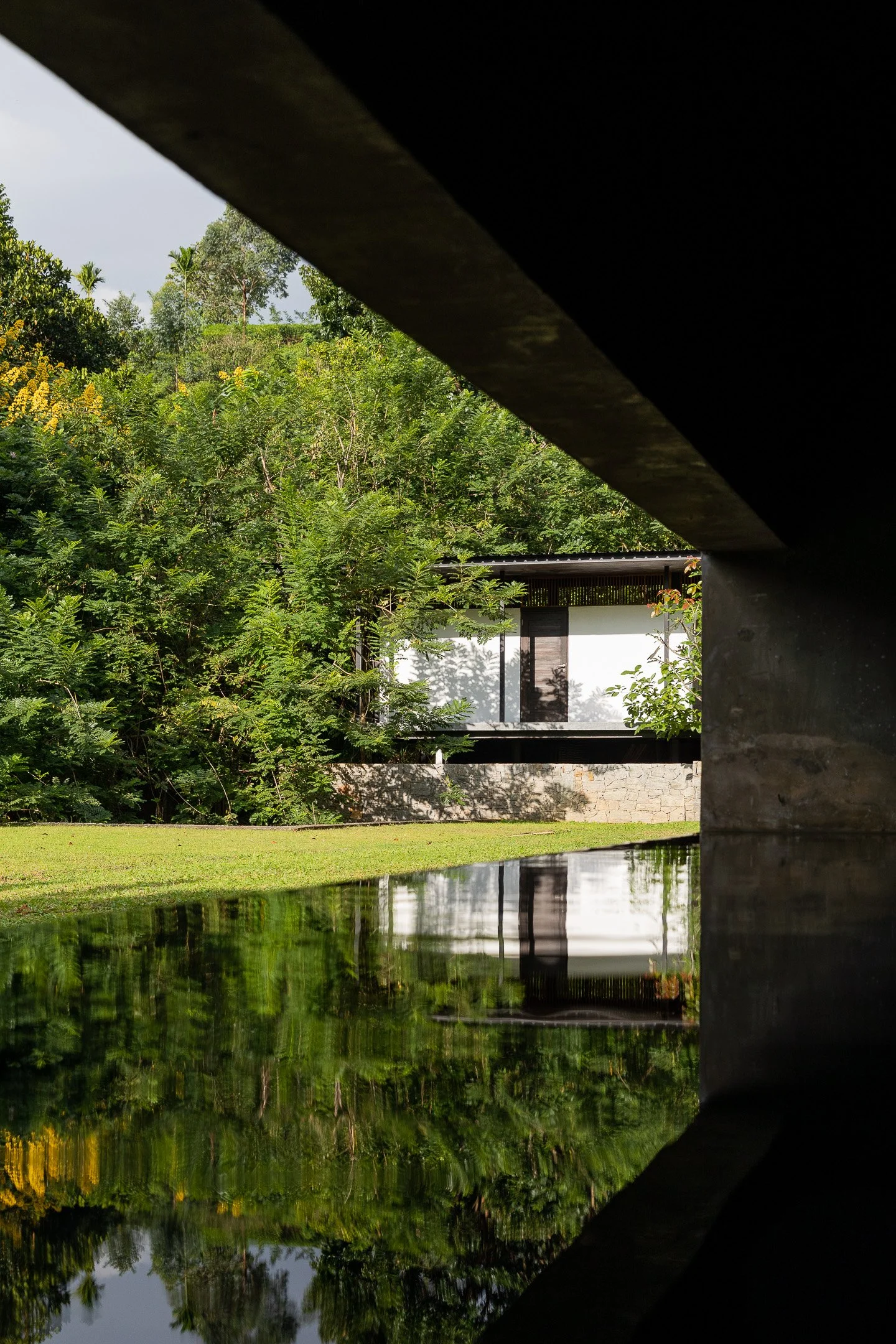

Images courtesy of Santani Wellness Kandy
BEYOND THE TREATMENT ROOM
Healing is not achieved through treatments alone. Ayurveda views wellbeing as the cumulative effect of everyday choices - how we eat, sleep, move, manage stress and live in rhythm with the natural world. So, whilst diagnosis and personalisation form the foundation of authentic Ayurveda, lifestyle is where its philosophy comes to life.
At Santani Wellness Kandy, this principle shapes the entire guest experience. Rather than viewing therapies as isolated moments of relaxation, programmes are designed to immerse guests in habits that support long-term health.
Krishan Fernando, Head of Sales & Marketing, explains:
“Treatments are only one part of the healing process. Ayurveda teaches that lasting wellbeing is shaped by the choices we make every day — from how we eat, sleep and move to how we manage stress, and align ourselves with the natural rhythms of life.”
“Our programmes are therefore designed as complete lifestyle experiences rather than a series of treatments. Guests follow personalised daily routines that combine therapeutic nutrition, movement, meditation, restorative sleep and Ayurvedic therapies, all tailored to their individual constitution and health goals,” adds Fernando.
Nutrition, too, becomes an integral part of the wider experience.
“Meals are guided by our Rasa Haya philosophy, balancing the six tastes to support digestion, metabolism and overall vitality, while the rhythm of each day encourages the nervous system to move from a state of constant stimulation into one of rest and repair,” he adds.
The philosophy extends beyond the retreat itself. For Santani, the goal is not simply to influence how guests feel during their stay, but to give them practical ways to carry what they have learnt into everyday life.
At Santani, guests continue their journey through the Santani Health Index, where pre- and post-programme health reports help establish a baseline, monitor measurable improvements and provide a better understanding of their health over time.
“Combined with a personalised wellness plan developed by our Ayurvedic physicians, the platform helps guests carry the principles they experience at Santani into their daily lives, transforming a retreat from a temporary escape into the beginning of a sustainable, long-term wellness journey.”
“Our goal is not simply to help guests feel better during their stay, but to equip them with practical habits and measurable insights that support healthier living long after they return home,” continues Fernando.

Image courtesy of Nattika Ayurveda Retreats
CAN AUTHENTIC AYURVEDA EXIST WITHIN A SHORT RETREAT?
As wellness travel has evolved, so too has demand for shorter programmes. Traditional Ayurvedic healing often unfolds over several weeks, yet many international travellers arrive with only three, four or five nights available.
For Fernando, deeper healing naturally benefits from more time, but a shorter stay can still have value when it remains personalised and true to Ayurvedic principles.
“At Santani, Ayurveda has always been personalised rather than prescriptive. While deeper healing naturally benefits from more time, even a short retreat can create meaningful change when it is carefully designed around the individual rather than delivered as a collection of treatments.”
To reflect different guest needs, Santani offers two distinct wellness pathways.
“Refresh is designed for guests with limited time, helping them reset through restorative movement, nourishing cuisine and mindful rest. It offers an accessible introduction to Ayurvedic principles while delivering tangible improvements in how guests feel,” explains Fernando.
“Transform takes the same personalised foundation further, providing the time and continuity needed to address deeper imbalances and create more lasting change. We do recommend a minimum of five nights for our Transform pathway, which allows for a more immersive wellness experience, where guests are able to work on their wellness goals,” he adds.
For Fernando, the expectations around a shorter stay also need to remain realistic:
“Our role is not to complete the entire journey in a few days, but to create the conditions for meaningful change. By restoring balance, calming the nervous system and equipping guests with practical guidance they can continue at home, even a brief retreat can become the beginning of lasting wellbeing.”
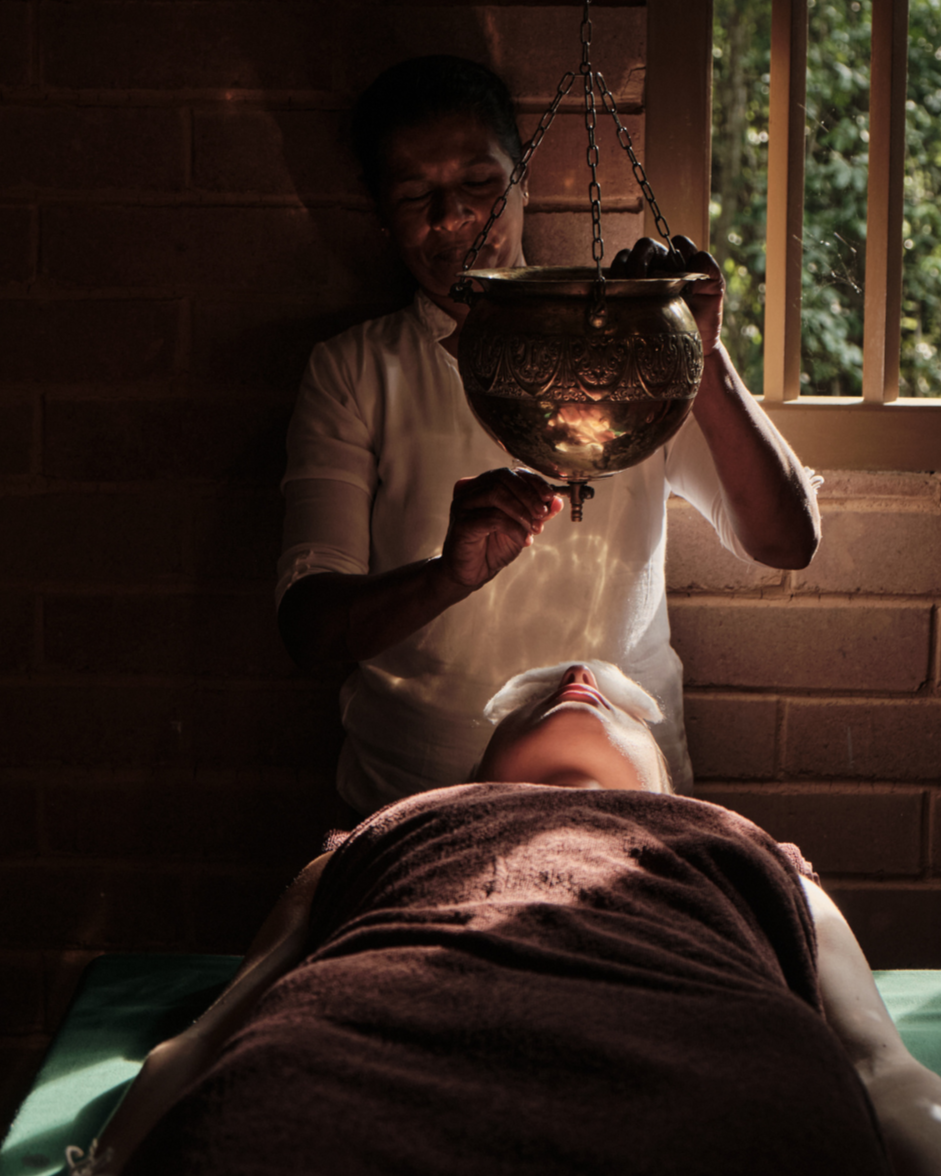

Images courtesy of Ayu Sri Lanka
PROTECTING AYURVEDA’S INTEGRITY
As Ayurveda becomes increasingly visible within global wellness tourism, preserving its integrity has become one of the industry's greatest responsibilities. Greater awareness has introduced more travellers to Ayurveda, but it has also encouraged simplified interpretations that risk reducing a sophisticated healthcare system to a collection of spa rituals.
For Senanayake, maintaining authenticity begins with respecting its core principles:
“As Ayurveda gains global recognition, it is crucial for retreat providers to maintain its integrity by respecting its core principles. Authentic practice should always begin with a consultation from a qualified Ayurvedic physician, followed by personalised treatment plans instead of generic programmes.”
“Providers must use high-quality herbal preparations, employ trained therapists, communicate treatments transparently and avoid reducing Ayurveda to merely a spa experience. At Ayu, we believe that preserving these standards ensures guests experience Ayurveda as a genuine healing tradition, while also safeguarding Sri Lanka’s rich Ayurvedic heritage for future generations,” she adds.
Kodath believes practitioner expertise remains one of the defining characteristics of authentic Ayurveda:
“Authentic Ayurveda is founded on the principle that every individual is unique. Even when two people present with similar symptoms, their constitution, underlying causes, digestion, lifestyle and overall health may differ significantly.”
“Qualified Ayurvedic practitioners combine classical knowledge with clinical judgement to assess these individual differences and design personalised treatment plans. Their expertise extends beyond selecting therapies to continuously monitoring progress and making timely adjustments throughout the programme. This individualised approach is one of the defining characteristics of authentic Ayurveda and cannot be replaced by standardised wellness packages.”
For Kodath, protecting authenticity is not simply about preserving tradition — it is fundamental to guest outcomes and the credibility of the wider wellness industry.
“Maintaining authenticity ensures that guests experience Ayurveda as a comprehensive healthcare system rather than simply a collection of relaxing treatments. Personalised care delivered by qualified practitioners, supported by appropriate diet, herbal therapies, yoga and lifestyle guidance, helps guests gain meaningful and sustainable health benefits.”
“At the same time, preserving these authentic principles strengthens the credibility of Ayurveda within the global wellness industry. Centres that maintain high clinical standards, professional integrity and respect for classical Ayurvedic practice build lasting trust among guests, healthcare professionals, insurers and regulatory bodies,” he adds.
As travellers become more discerning, those standards are becoming increasingly visible. Guests are asking not simply what treatments are offered, but who is delivering them, how programmes are personalised and whether they remain true to the traditions from which they originate.
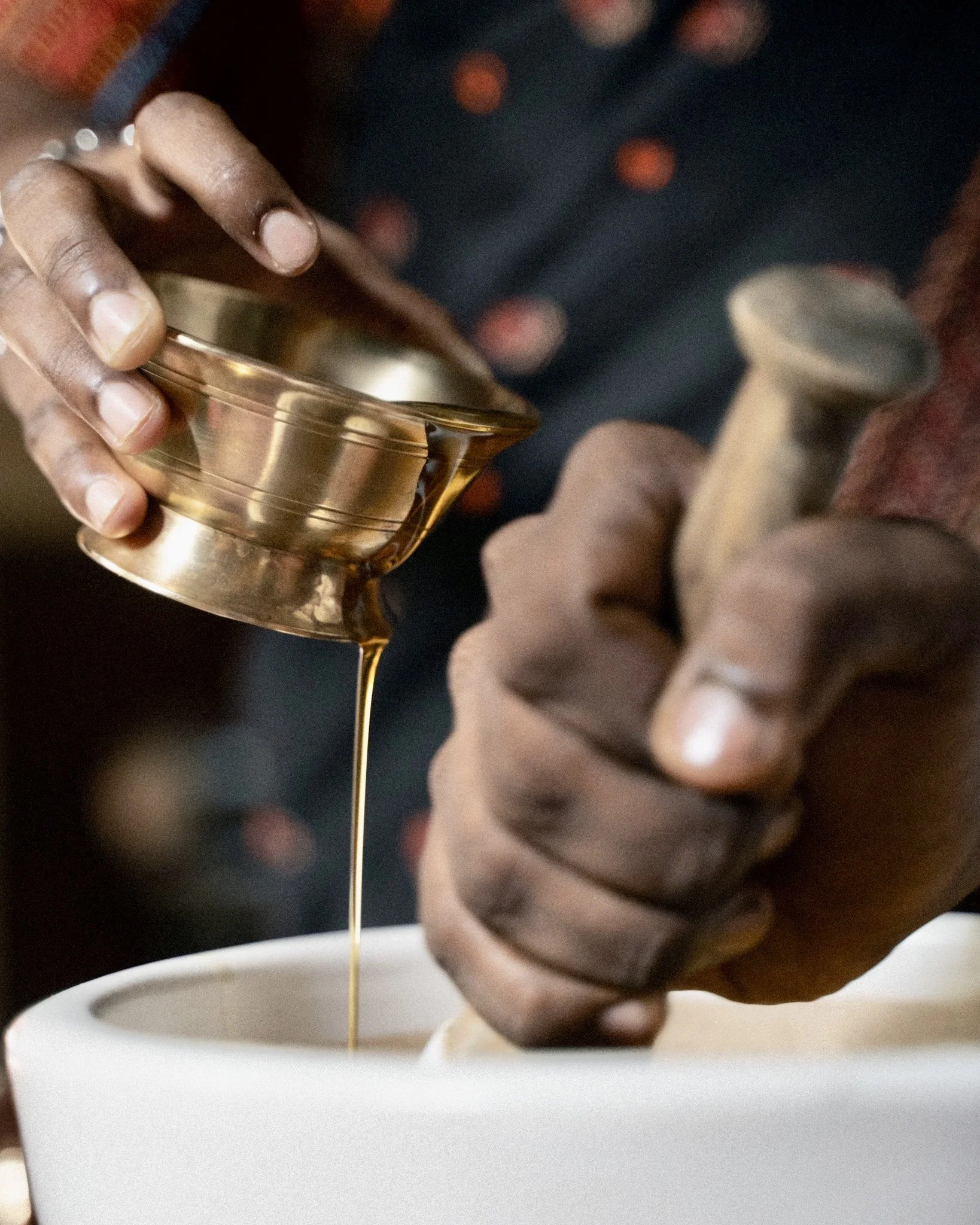
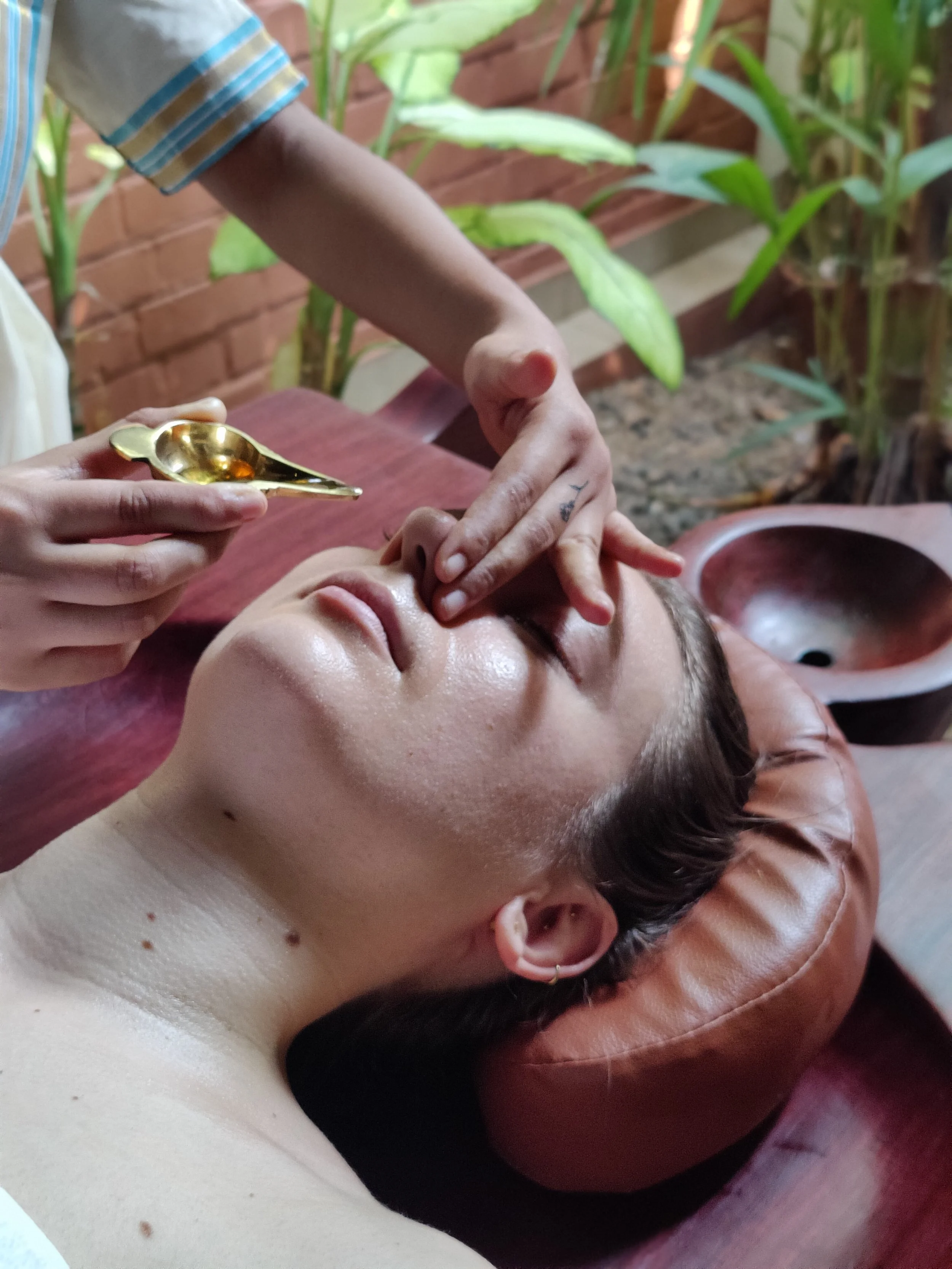
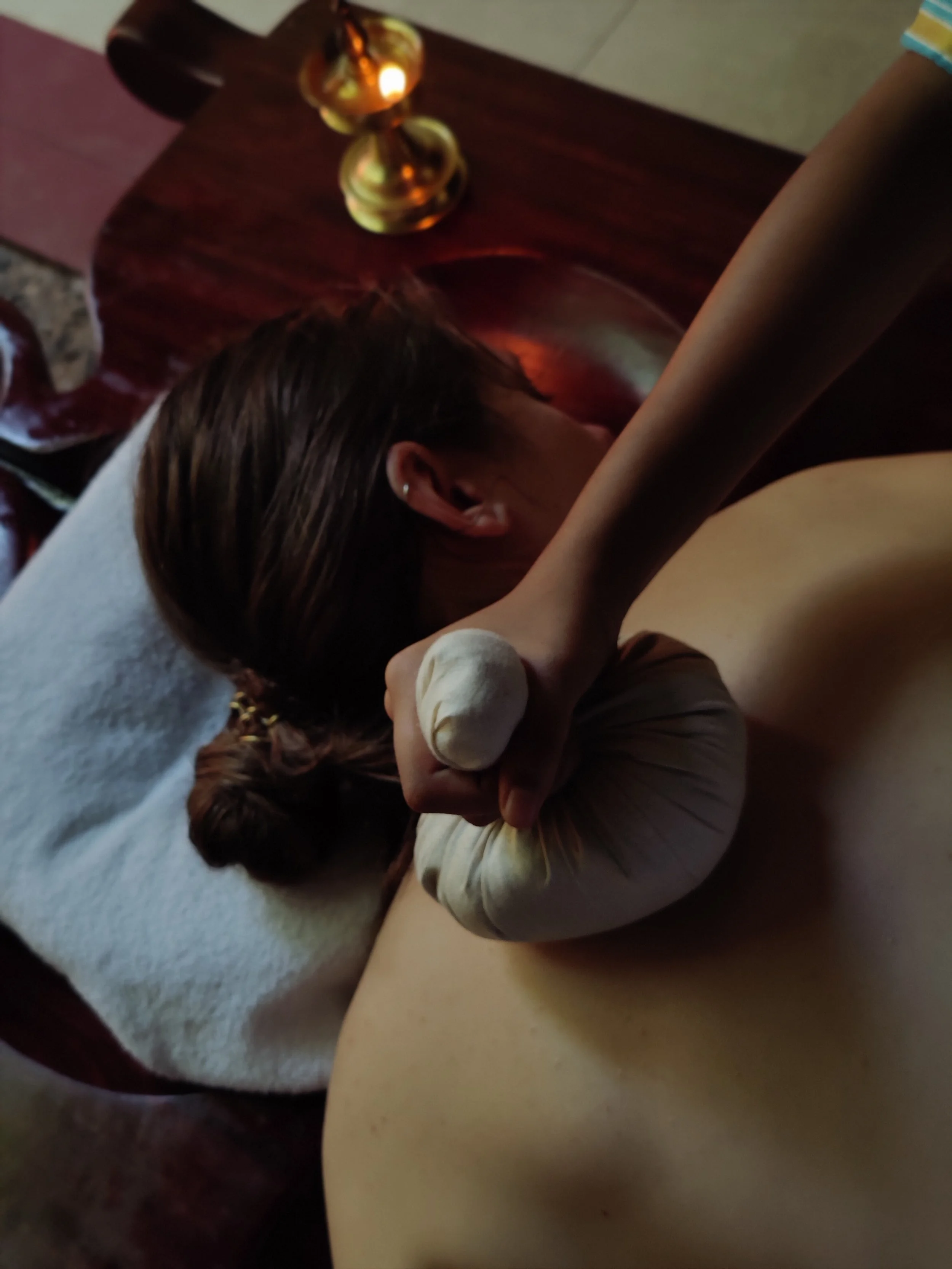
Images courtesy of Nattika Ayurveda Retreats
THE FUTURE OF AYURVEDA
For an ancient system of medicine, Ayurveda feels remarkably well suited to the future of wellness travel. As travellers increasingly seek experiences that are personalised, preventative and grounded in genuine expertise, many of its core principles feel more relevant than ever.
Natarajan has watched that shift unfold over the past quarter century:
“When Ananda opened in 2000 as India’s first luxury wellness retreat, integrating Ayurveda, Yoga and Vedanta into a five-star setting was itself unproven territory. Twenty-five years later, the rest of the industry is now moving away from fleeting trends and rediscovering the value of time-tested, traditional systems. For Ananda, this is ground it has already been building on.”
Looking ahead, Natarajan points to a deepening focus on traditional Indian sciences, including areas such as hormonal health and Ayurvedic Vajikarana, alongside investment in technologies to improve data analysis and wellness outcome tracking.
“As guests increasingly seek holistic remedies validated by modern diagnostics, hospitality that can offer both authenticity and evidence will define the category, and having spent 25 years building that combination, Ananda is well placed to shape what comes next.”
“Ayurveda was never designed for crisis management; it was designed for a lifetime of balance, which makes it increasingly relevant to the future of hospitality,” he concludes.
Fernando sees the future not in simplifying Ayurveda, but in making its principles more accessible without compromising their integrity:
“At Santani, we believe Ayurveda remains profoundly relevant because its principles are timeless. While the challenges of modern life have changed, the human need for balance, restoration and resilience has not. Today’s wellness traveller is often seeking more than relaxation; they are looking to understand the root cause of stress, fatigue, poor sleep or declining vitality, and to return home with practical tools that support long-term wellbeing.”
“We honour the wisdom of Ayurveda while presenting it in a way that is personal, accessible and relevant to contemporary life. We combine physician-led Ayurvedic care with evidence-informed wellness practices, yoga, meditation, movement and personalised nutrition, always guided by one philosophy: healing the root cause rather than simply managing symptoms. Our aim is not to modernise Ayurveda, but to demonstrate how its enduring wisdom can help people adapt more successfully to the demands of modern living,” he continues.
Montesanti believes this reflects a wider evolution taking place across wellness travel.
“Wellness travellers have become far more discerning over the past decade. They’re no longer simply looking for beautiful environments or a list of treatments; they’re asking deeper questions about the philosophy behind a programme, who is delivering it, and why those practices matter. Ayurveda reflects that shift. It invites curiosity rather than consumption, encouraging guests to understand their own health instead of simply outsourcing it. As expectations evolve, destinations that can communicate the integrity of their approach, rather than simply its aesthetics, will be the ones that build lasting trust and loyalty,” she concludes.
For today’s wellness traveller, perhaps Ayurveda’s greatest relevance lies in something remarkably simple: it asks people to participate in their own wellbeing. Beyond the treatments, diagnostics and retreat experience itself is an approach to health shaped by everyday choices, rhythms and behaviours — principles that have endured for thousands of years, yet continue to find relevance in the way we live now.
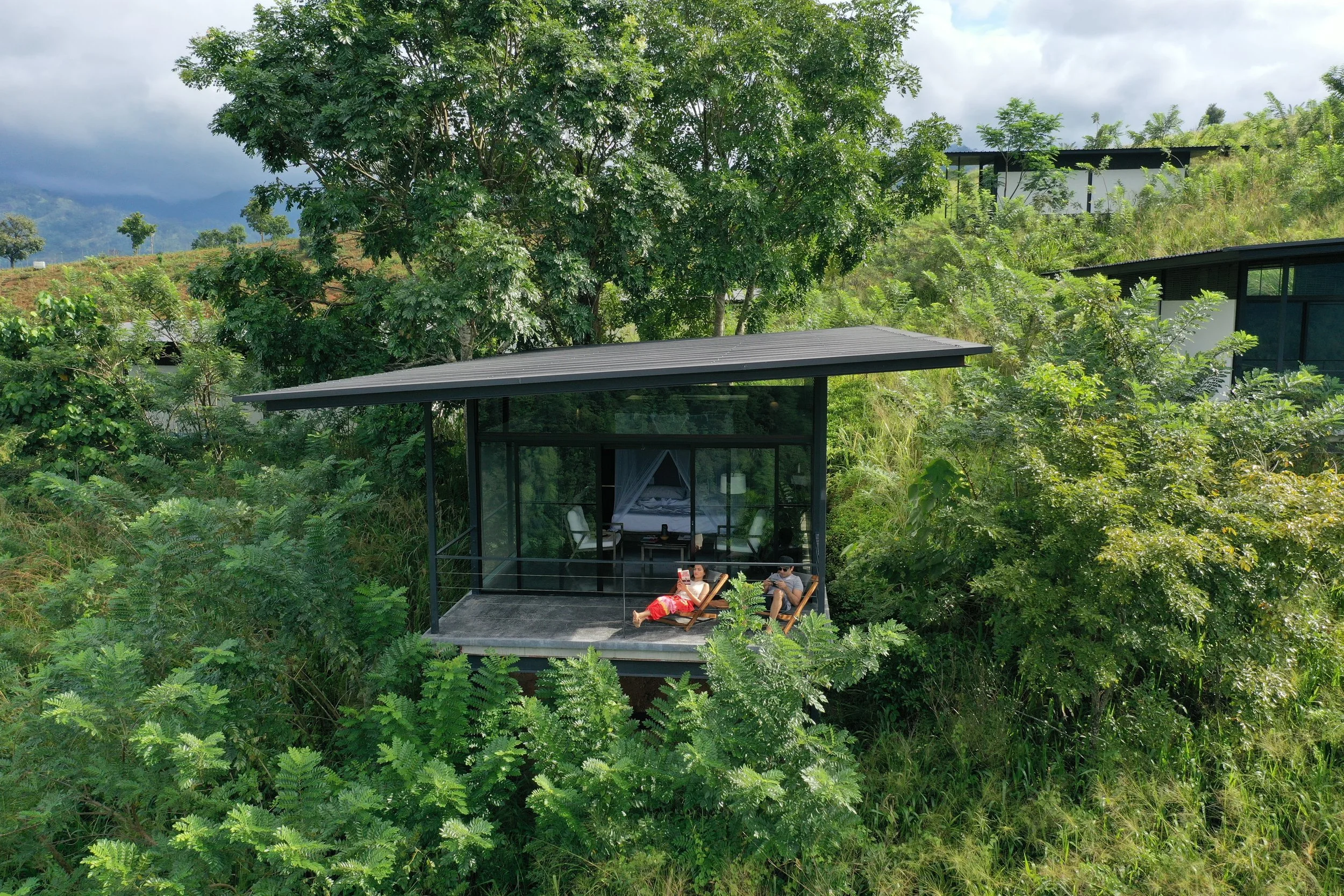
Image courtesy of Santani Wellness Kandy