
THE URBAN WELLNESS REVOLUTION: RETHINKING HOSPITALITY IN A CITY CENTRED WORLD
More than half of the world’s population lives in cities.
As the wellness industry evolves, there is an urgent call to bring healing into the heart of our cities, where people live, work and gather every day. Urban retreats offer a powerful opportunity to make wellness more accessible, integrated and inclusive, shifting it away from exclusivity and embedding it into daily life.
Hospitality leaders, retreat creators, practitioners and brands are working to co-design offerings that serve both guests and local communities. Whether operating a boutique hotel, a luxury resort or a grassroots initiative, we all have a role to play in ensuring wellness is not a privilege, but a shared possibility.
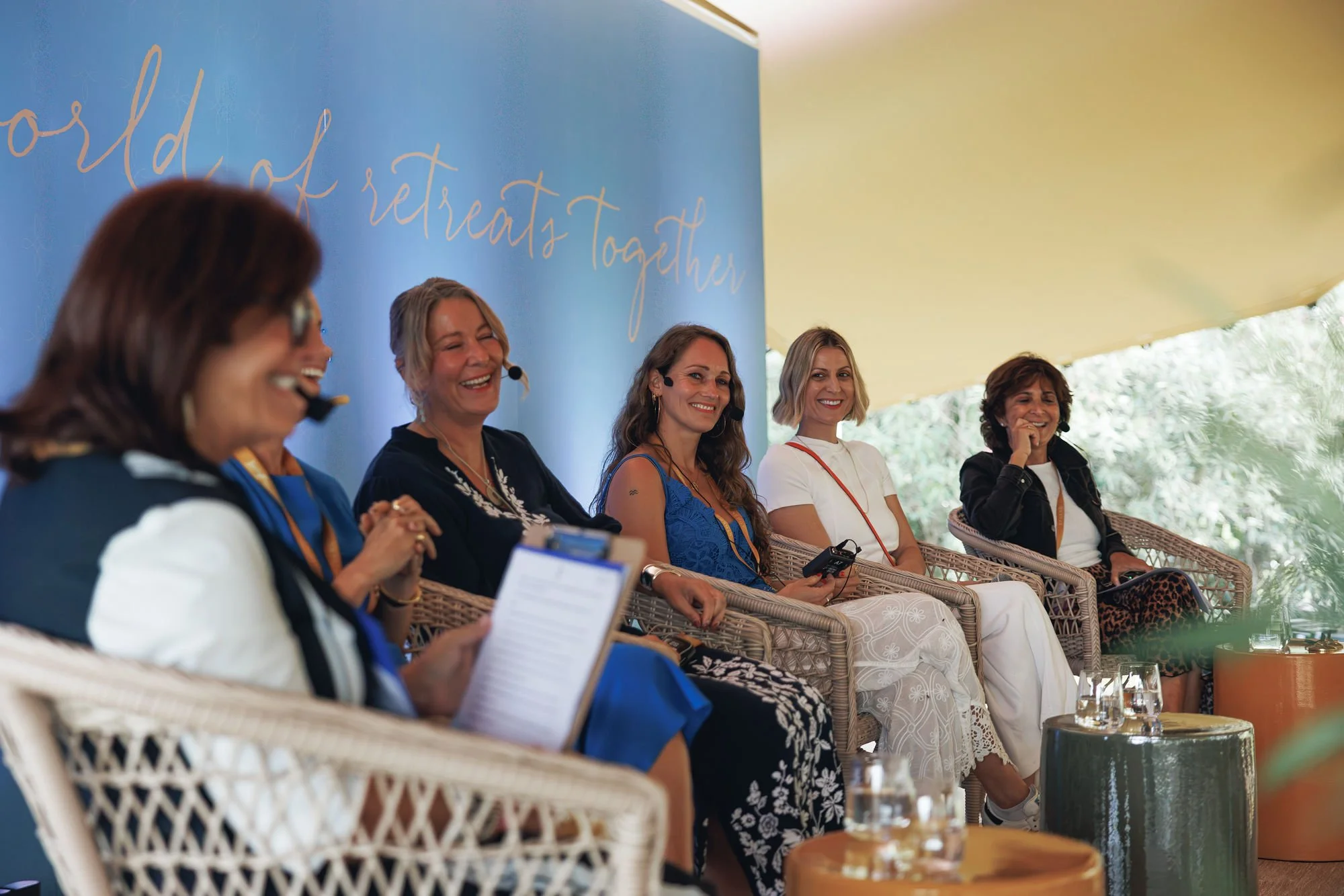
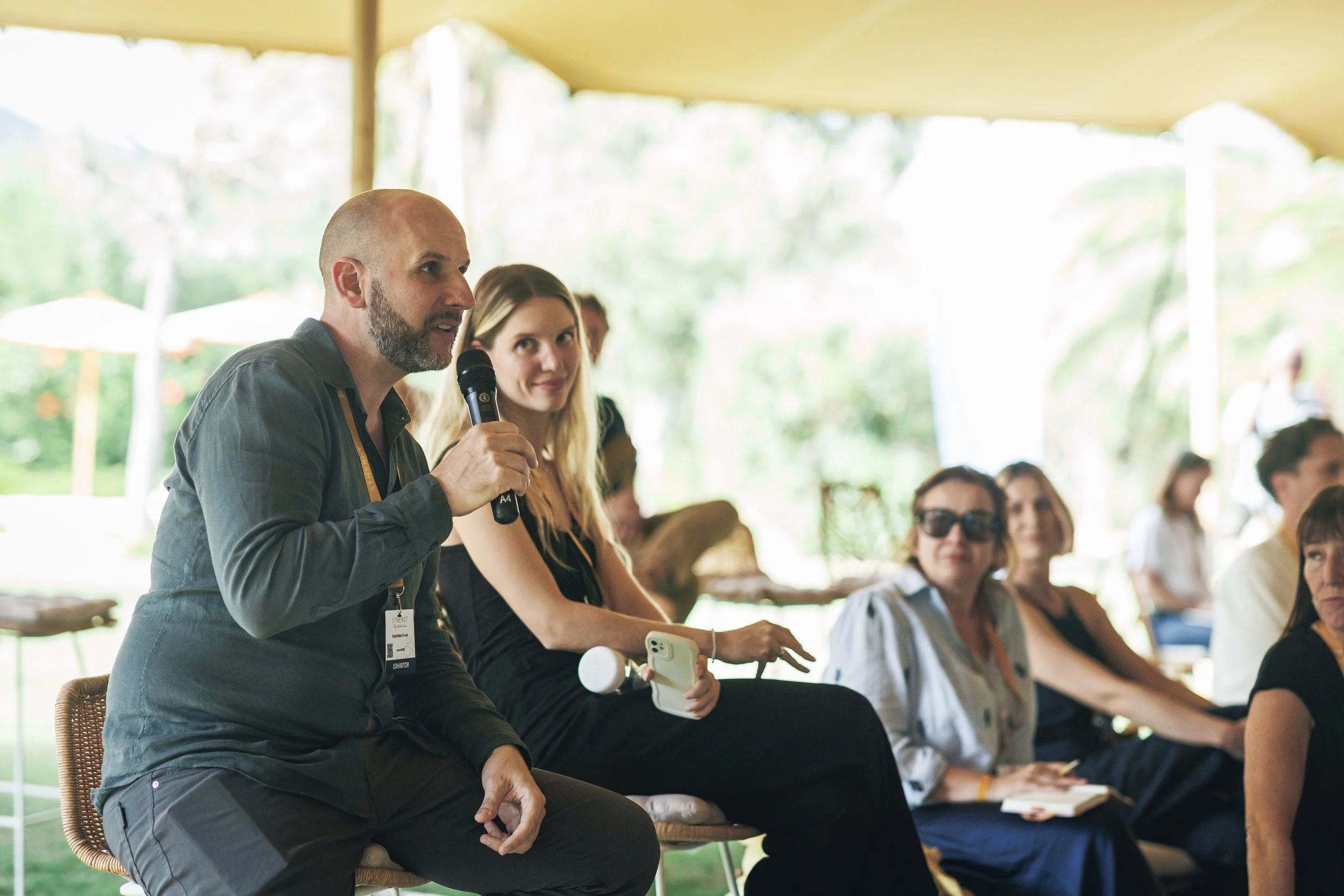
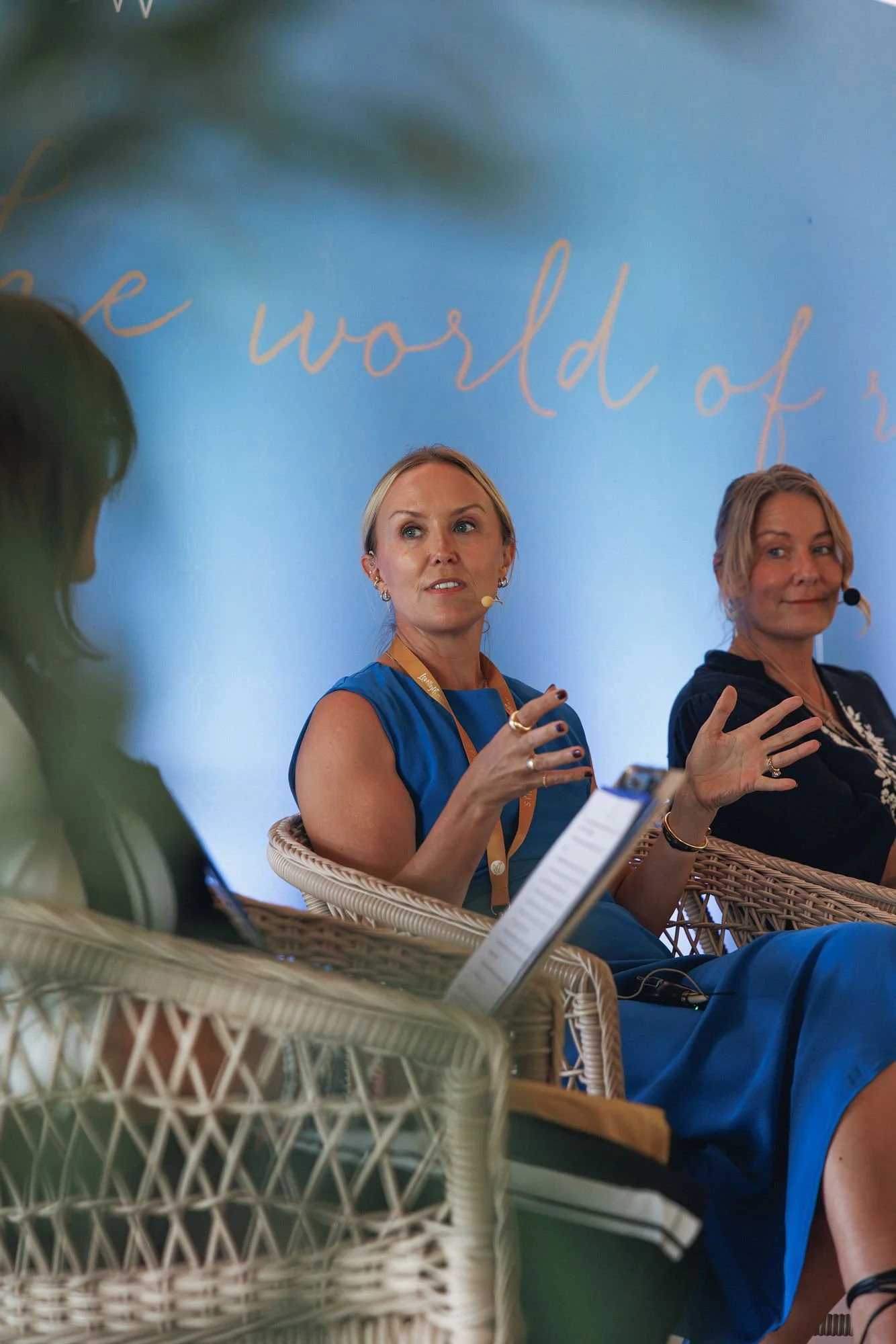
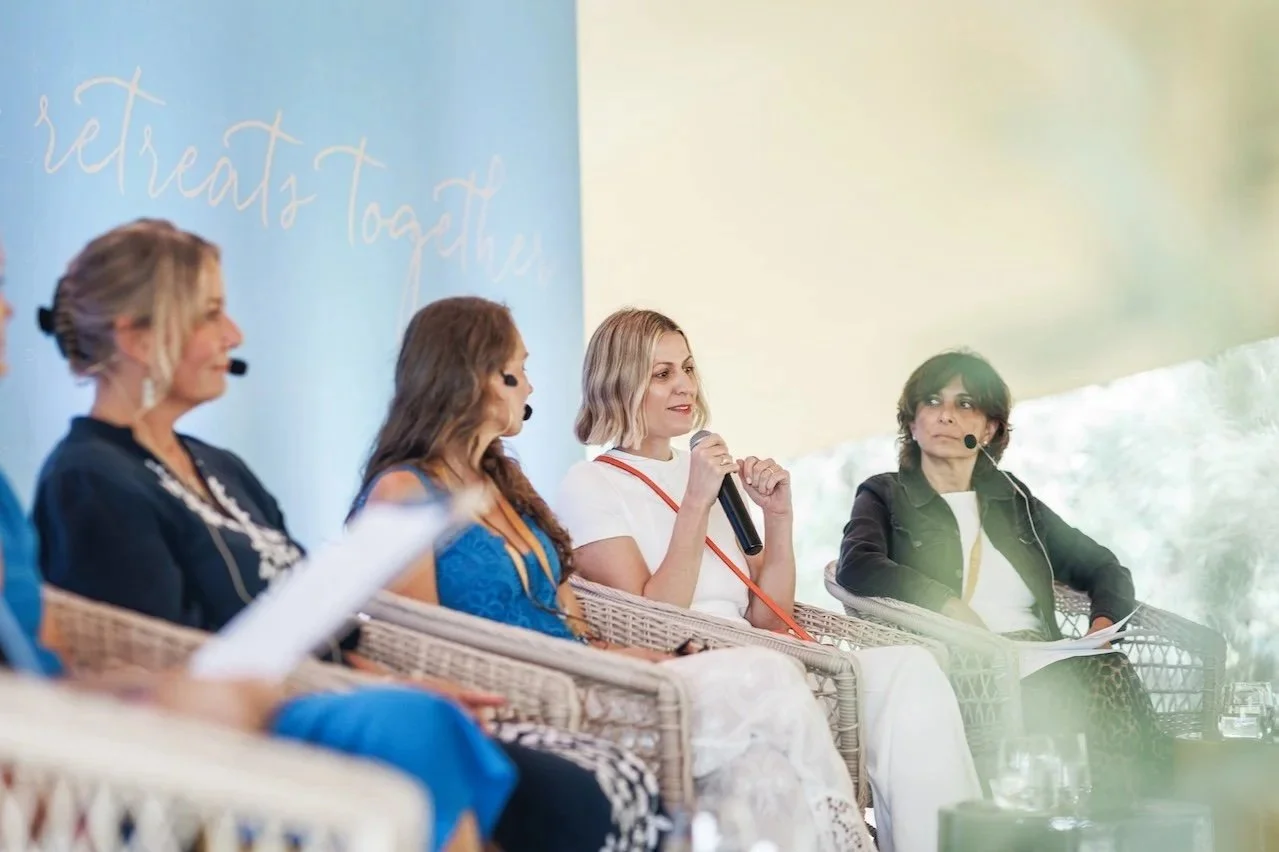
This was the spirit behind The Urban Wellness Revolution: Rethinking Hospitality in a City-Centred World, a panel discussion at Synergy 2025, which brought together leading voices in wellness and travel to explore a shift away from wellness as an abstract luxury and towards it as a lived, shared and accessible experience – right in the heart of city life.
The session featured Anna Bjurstam, Wellness Pioneer at Six Senses; Catie Miller, Global Wellness Consultant at Barre Series; Niamh Keohan, Managing Director of We Love Transformational Travel; Céline Vadam, Retreats and Hospitality Expert at Blue Zones; and Sara Magro, freelance journalist and co-founder of TheTravelNews.it.
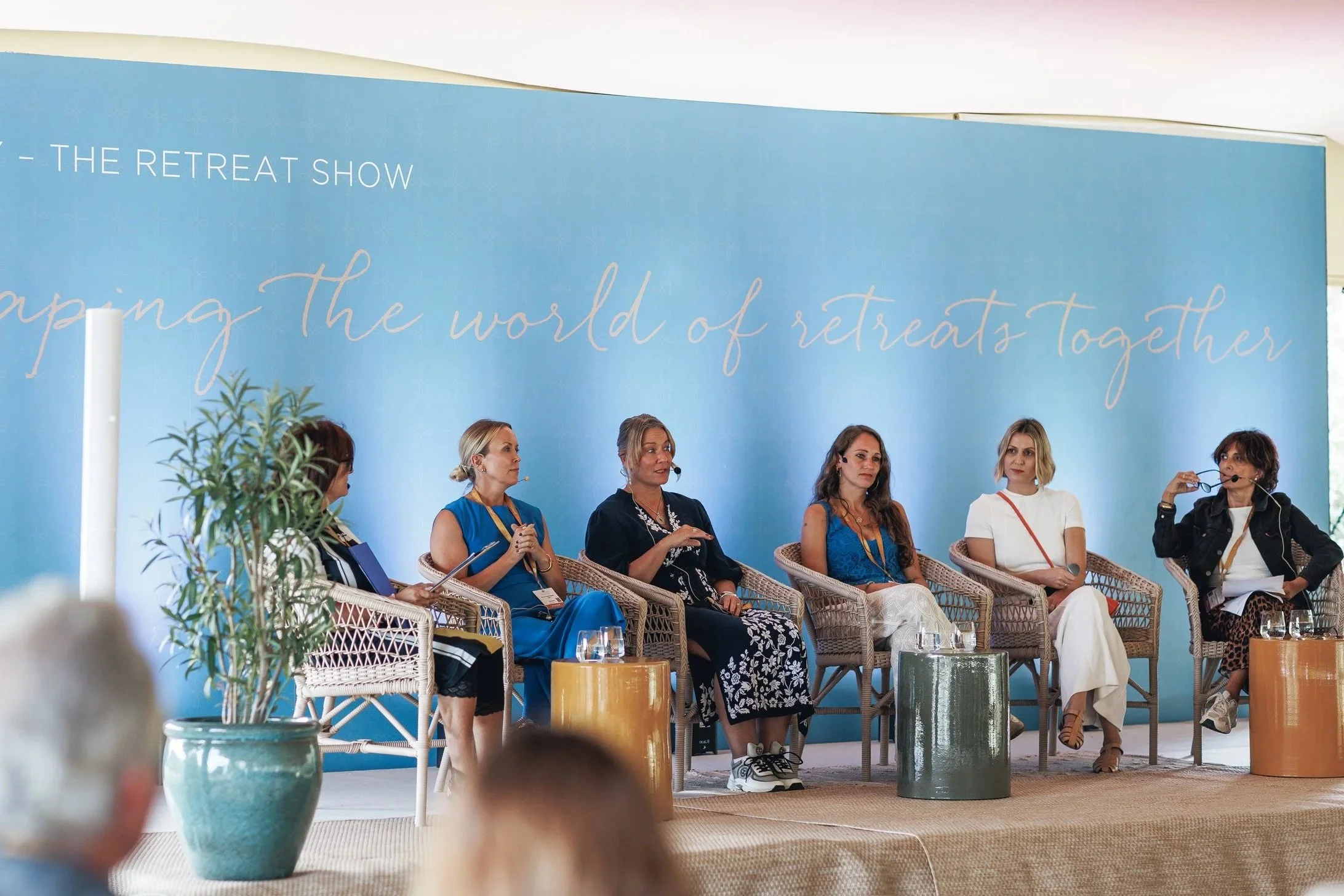
From left to right: Wendy Bosalavage (Facilitator), Niamh Keohan, Anna Bjurstam, Céline Vadam, Catie Miller and Sara Magro.
BRINGING HEALING INTO THE CITY
Wellness has traditionally meant “getting away”, leaving the city for the countryside, the coast or the mountains. But what if wellness did not have to be a destination? What if it could be woven into the fabric of everyday life, starting in the places where our communities already are? The world’s long-living blue zone communities have shown us that wellbeing thrives when it is embedded into daily rhythms, not reserved for special occasions. So how about our cities?
For Niamh, urban wellness begins with access. Healing in cities, she explained, requires nature touchpoints – moments of green and blue that soften the urban environment and allow people to pause. But access is not just physical; it is also emotional and logistical.
From her perspective, urban wellness must be '“frictionless”. After a long workday, people are unlikely to search for parking, navigate formal hotel lobbies or feel interrogated about where they are going. For wellness experiences to succeed in cities, they must be seamless, welcoming and easy to enter.
At the same time, Niamh stressed the importance of clarity and intention from hotels themselves. “It’s important to first consider, as a hotel, if wellness is something you really want to do. If it is, do it with heart and train your team.” Without that commitment, wellness risks becoming a surface-level offering rather than a meaningful one.
Equally important is a commitment to local-first programming. Cities are rich with practitioners, retreat leaders and specialists already doing meaningful work within their communities. Bringing these voices into hotels and hospitality spaces strengthens local ecosystems while creating more relevant and authentic experiences for guests.
Catie echoed this perspective, highlighting how often the industry overcomplicates wellness by constantly trying to innovate, rather than recognising what already exists. “Urban wellness needs to be simple, accessible and repeatable,” Anna added, reinforcing the idea that consistency matters more than scale.
Urban wellness, the panel agreed, is a long-term commitment. It is built through trust, continuity and genuine relationships with the communities it serves.
HOTELS AS MODERN GATHERING SPACES
A key theme throughout the discussion was the evolving role of hotels within cities. Traditionally viewed as spaces for visitors rather than residents, hotels are increasingly being reconsidered as social and civic hubs.
Sara reflected on how, in many European cities, locals historically felt uncomfortable entering hotels. They were seen as places for tourists, not part of everyday community life. Yet when locals do step inside, something shifts. “There is no travel without authenticity, and authenticity only comes from local communities. When locals enter a hotel, the hotel becomes real.”
Hotels, the panel agreed, already belong to the cities they operate in – even if they have not always acted like it. Anna shared a telling insight: “70% of spa guests in cities are from the local community. Hotels already belong to the city – we just haven’t fully embraced that yet.”
Céline noted that hotels have always been places of gathering: for celebrations, milestones and shared moments. What has changed, is the depth of their involvement in wellbeing. Hospitality has evolved from providing shelter, to sleep, to food, to spas and now, to holistic wellness.
In city hotels, large portions of the day can be underutilised as business travellers leave for meetings. Activating these spaces through local engagement is both a social opportunity and a commercial one.
FROM SPAS TO SOCIAL WELLNESS ECOSYSTEMS
Wellness infrastructure within hospitality is also undergoing a significant shift. Anna explained that while traditional spas offer relaxation, they do not always foster connection or community. “Wellness alone doesn’t create community. Community comes when people connect, through retreats, shared spaces and experiences that bring locals and travellers together.”
What is emerging instead are integrated wellness ecosystems: social clubs and urban retreat models that combine food and beverage, sleep, movement, workspaces, medical care and communal areas. These environments allow people to step back from daily pressures for short but meaningful periods, without leaving the city.
Anna’s experience has found that cities have often offered either social spaces or wellness spaces, but rarely both together. Social clubs may struggle to integrate authentic wellness, while wellness centres can feel solitary or disconnected. Bringing these elements together creates a more sustainable and human-centred model.
Across the hospitality sector, spas are evolving into places for learning, conversation and shared experience. Wellness is no longer a service layered on top of hospitality, it is becoming part of its cultural fabric.
AUTHENTICITY BEGINS WITH COMMUNITY AND STAFF
Across the panel, one message was consistent: authenticity cannot be manufactured.
Wellness spaces only feel real when they are shaped by the communities around them. Local practitioners, cultural voices and neighbourhood partnerships bring depth and credibility that no imported concept can replace.
Catie underscored that intention must come from within. “Hotels have a natural ability to be community spaces, but only if the heart and the brand are truly behind it.” Without that alignment, efforts to build community can feel forced or transactional.
This principle also applies internally, with emphasis strongly placed on the importance of involving hotel staff in wellness programmes. When teams experience nutrition education, movement practices and treatments themselves, they are better equipped to deliver wellbeing with confidence and care.
As Sara noted, staff who live wellness create a ripple effect, carrying knowledge and habits into their homes and communities. The impact extends far beyond the hotel walls.
URBAN RETREATS DESIGNED FOR REAL LIFE
Urban retreats differ fundamentally from destination retreats in their purpose. While resorts often offer a protected environment away from daily life, city-based retreats can help participants integrate wellbeing into their existing routines.
Céline explained the unique power of this model: “Urban retreats are powerful because people can immediately apply what they learn to their real life. They don’t have to imagine it, they’re already home.”
Programmes might include mindful walks through city parks, visits to local markets or cooking classes using accessible ingredients. Rather than asking participants to imagine how they will maintain new habits once they return home, urban retreats allow them to practise wellbeing within their actual environment.
Anna added that regardless of location, every effective retreat shares common foundations: connection, insight and a reflective or spiritual dimension. Trends may evolve, but these core elements remain essential.
LEADERSHIP, TRUST AND INTENTION
Leadership emerged as a defining factor in successful urban wellness experiences. Catie highlighted the importance of clear intention from the outset. Today’s retreat participants are informed and discerning, they want to understand what they are being invited into and why.
Strong leadership creates safe, well-held spaces that allow curiosity, discomfort and growth to coexist. As Catie summarised, “The future of urban wellness isn’t big programmes, it’s small, consistent rituals.”
Trust, the panel agreed, is built through clarity, consistency and care. Without it, wellness risks becoming performative rather than transformative.
BALANCING PURPOSE WITH PROFIT
The panel also addressed the economic realities of urban wellness. Hotels, particularly in high-demand destinations, often question the value of engaging local communities when international guests may generate higher short-term returns.
The response was pragmatic. Community engagement is not a loss; it is a long-term investment. Today’s travellers increasingly seek authentic connection with place and people. They value spaces that feel alive, relevant and rooted in local culture.
By integrating community-led wellness into hospitality, hotels create richer experiences, stronger brand identity and deeper trust. Purpose and profit, when aligned thoughtfully, reinforce one another.
THE FUTURE OF URBAN WELLNESS
In summary, the conversation made one thing clear: urban wellness is no longer a niche concept, it is a necessary evolution.
Accessibility is everything: wellness in cities must be frictionless, local and easy to enter.
Community creates credibility: authentic wellness comes from local practitioners, partnerships and grassroots voices.
Hotels are natural gathering spaces: they can become modern third places where social life and wellbeing intersect.
Wellness must be lived, not layered on: from staff training to brand intent, wellbeing only works when it is embedded.
Purpose and profit can grow together: urban retreats strengthen trust, relevance and long-term value.
Urban wellness is not about escaping the city. It is about learning how to live well within it. When hospitality, communities and collaborators work together, cities themselves can become places of restoration, connection and care.
Interested in learning more? Join us at Synergy - The Retreat Show 2026 in Croatia. Enquiries to info@theretreatshow.com.