RETREAT TO THE CITY: A INTERVIEW WITH LAURA MONTESANTI
Urban retreats are no longer a fringe concept. As wellness becomes embedded into daily life, and travel patterns continue to shift, city-based retreats are emerging as a powerful bridge between healing, accessibility and hospitality innovation. Laura Montesanti, Founder of Synergy, shares about why this model matters now, and what it gets right that traditional retreats sometimes miss.
Q: Why are Urban Retreats such a compelling opportunity right now?
This is a topic I’m very passionate about. The potential is huge, for individuals and for the hospitality industry. People are seeking meaningful healing experiences, but many don’t have the time, finances or flexibility to travel far. At the same time, city hotels have space, downtime and a growing local audience. Urban retreats meet both needs in a way that feels timely, relevant and sustainable.
Q: How do you define an “Urban Retreat”?
An urban retreat is a purposeful pause in the rhythm of city life. It’s a curated space for restoration, reflection and reconnection, without the need to travel far. It’s something you step into from your real life, making it accessible and relevant..
Traditionally, retreats were tied to remote destinations and nature. Those experiences are still powerful, but wellness is now woven into everyday routines. Urban retreats bring the essence of stillness and transformation into the heart of the city, making them more immediate and accessible.
When they’re thoughtfully designed, with intentional facilitation and environments that support introspection, urban retreats can be just as impactful as destination retreats and often easier to integrate afterwards.
Q: Why is the demand for city-based retreats growing?
Modern urban life is intense. Constant stimulation, digital overload and social fragmentation are taking a real toll on wellbeing. People want to reset, but without taking a week off or putting their lives on hold.
Urban retreats meet people where burnout actually happens. They allow for real-time care of mental and emotional health, rather than postponing it for a future trip.
There’s also a wider shift happening, wellness is no longer seen as exclusive or luxurious. People are more informed, more curious and more proactive about their wellbeing. Urban retreats support this evolution by offering approachable, affordable ways to experience depth without distance.
The desire for community is also a key driver in the growth of urban wellness retreats. People are increasingly seeking spaces where they can connect with others who share an interest in personal wellbeing, not just through practices, but through shared experience. Urban retreats create repeated touchpoints for connection, allowing relationships, trust and accountability to build over time rather than ending when the retreat does.
Q: How do you create a sense of retreat in a city that never stops?
It always begins with intention. When the purpose of a retreat is clear and consistently held, it shapes every aspect of the experience.
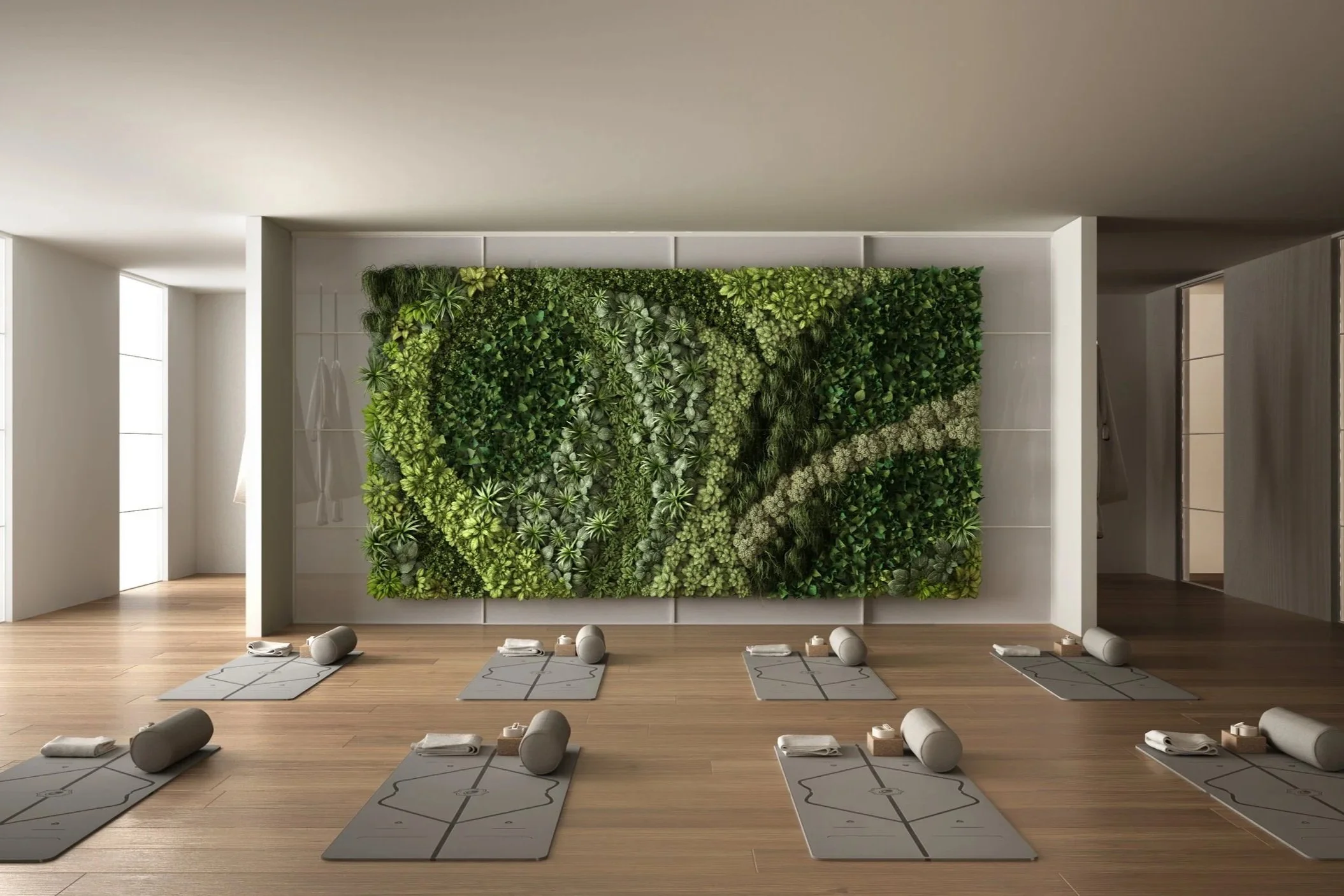
From the moment someone enters the space, everything should signal a transition - lighting, scent, sound, spatial flow. You’re creating a sensory boundary between the external world and an inner sanctuary.
The journey itself needs care: grounding rituals, moments of reflection, community connection and a clear arc from arrival to integration. The most effective urban retreats know how to quiet the noise and guide people back to themselves.
And above all, retreats must be safe spaces. That requires facilitators who are not only skilled in their modalities, but capable space-holders, people who can create trust, support and care before, during, and after the experience.
Q: What role does environment play?
Environment is everything. In a city, stillness doesn’t arrive on its own, it must be designed.
Nature, even in small doses, is powerful: plants, natural materials, daylight, airflow. But emotional safety matters just as much. A space should feel held, welcoming and free of judgement. When this is done well, even a rooftop or converted warehouse can become a sanctuary.
Music and scent are tools I return to again and again. Music guides emotional states and carries people through different phases of a retreat. Scent works more subtly, a single fragrance experienced during a retreat can become an anchor. Later, that same scent can transport someone back to a moment of calm and clarity. That kind of embodied memory is incredibly powerful.
Q: Can short or one-day retreats really go deep?
Absolutely, when there’s focus and flow.
In short-form retreats, you need a clear structure: arrival, process, return. Ground people quickly, guide them into practices that open or release and leave space to integrate.
Accessibility comes from thoughtful timing and pricing. Depth comes from skilled facilitation, psychological safety, community and resonance in the programming. Less really can be more when it’s intentional.
Q: What practices work best in urban retreats?
Somatic, grounding and immediately impactful modalities resonate most.
Breathwork, sound healing, restorative movement, guided meditation, creative expression - these help people unplug from the external world and drop into the body or subconscious quickly. Journaling and group sharing can deepen reflection and foster connection, especially in a city setting where people often feel disconnected.
I believe there is no one-size-fits-all formula. Each person needs to find the practices that resonate with them and support their own unique journey and needs…
Q: How do you see Urban Retreats evolving over the next decade?
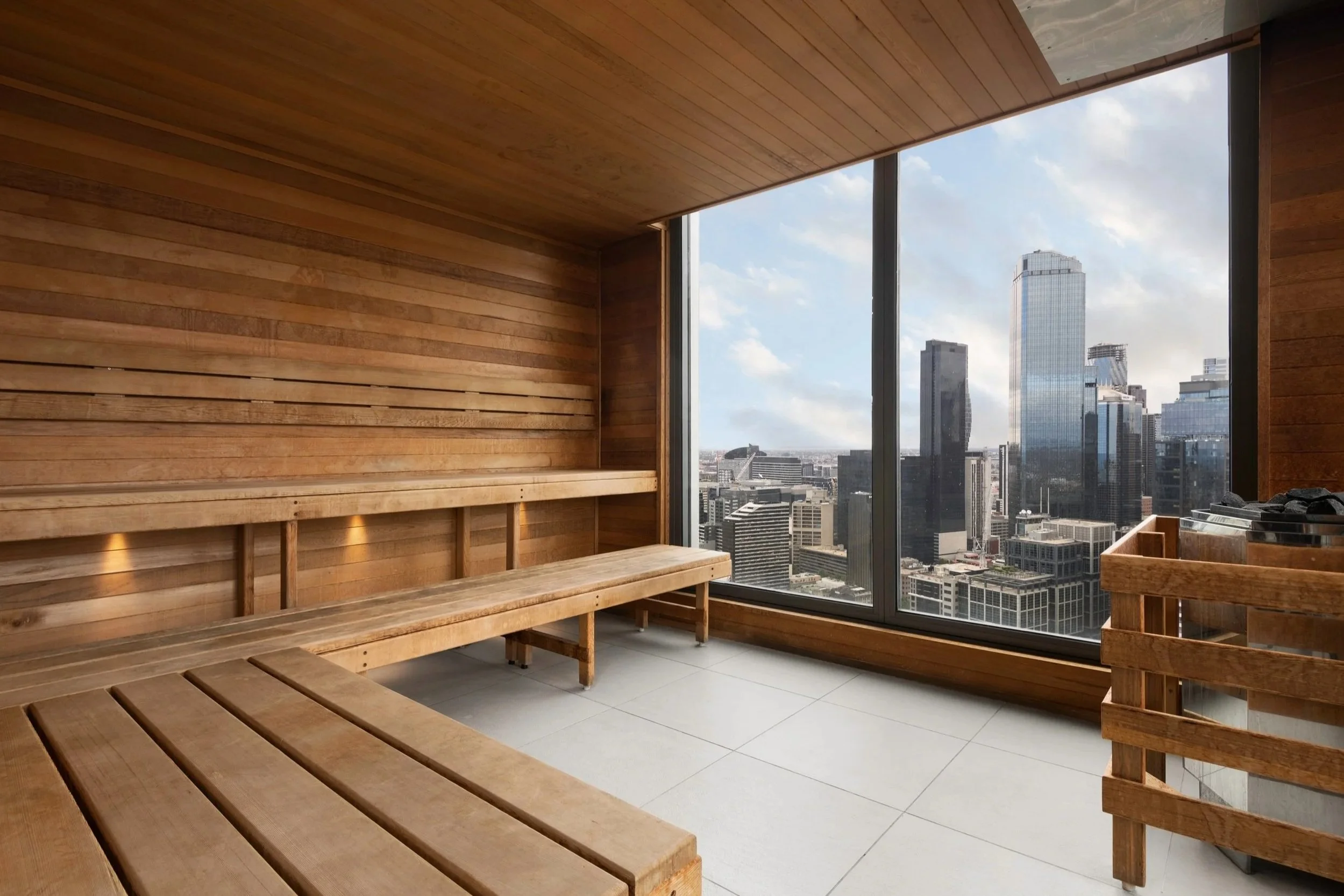
I see them becoming part of lifestyle infrastructure, hosted regularly in hotels, co-working spaces, cultural centres and wellness hubs. Less about occasional escape, more about recurring ritual.
We’ll see themed series addressing real modern needs: burnout recovery, creativity, grief, digital detox. Companies will integrate retreats into team wellbeing and cities will increasingly recognise their role in mental health and community resilience.
Q: What role does technology play in the Urban Retreat space?
Technology can both disrupt and enhance retreat experiences. Used wisely, it can personalise the journey, offering biometric feedback, mood tracking or guided content before and after the session. Virtual reality, soundscapes and wearables may become part of the toolkit. But the power of the urban retreat lies in unplugging too, so the challenge is to use tech as a tool for depth, not distraction.
Q: Are there any cities or brands doing something especially innovative in this area?
Cities like London, New York, and Berlin are leading the way with hybrid wellness spaces that blend co-working, movement and mindfulness, such as Re:Mind Studio, Othership or Six Senses Place.
Tokyo has integrated wellness micro-rituals into public spaces, while cities like Barcelona and Lisbon are nurturing communities around creative retreats and regenerative urban spaces.
The innovation lies in weaving retreat values into everyday life, making them accessible and tangible precisely when and where we need them most.
Q: What’s your top urban wellness picks?
Mandarin Oriental London
Six Senses Rome
COMO Metropolitan London
Banyan Tree Bangkok