CROATIA: WHERE NATURE LEADS THE HEALING
There is something quietly powerful about Croatia. Not just the sweep of the Adriatic or the drama of waterfalls cutting through limestone, but the way land and sea seem to work together, as if restoration here is not an added feature, but part of the landscape itself.
As we look ahead to Synergy – The Retreat Show in Croatia, 29th September to 2nd October 2026, our core theme is simple yet profound: the healing power of nature. And there are few places in Europe where that theme feels more grounded, more lived and more authentic than here.
A LANDSCAPE DESIGNED FOR RESTORATION
Croatia’s wellness story is not new. Long before “wellness travel” became a category, people were coming to these shores and springs for relief, recovery and renewal.
“In Croatia, nature does not need to be curated or staged. It simply exists in its full expression, and that is where its healing power lies. Whether it is the rhythm of the sea, the quiet of the forests, or the experience of moving through the landscape, nature invites presence,” explains Laura Montesanti, Founder of Synergy.
Inland, thermal waters rise through the Zagorje region, including historic spa towns such as Varaždinske Toplice, where Roman bath culture once flourished. Along the coast, maritime air and mineral-rich seawater have shaped traditions of thalassotherapy, particularly in places like Lošinj, often referred to as the “Island of Vitality” for its microclimate and aromatic herbs.
And then there are the national parks.
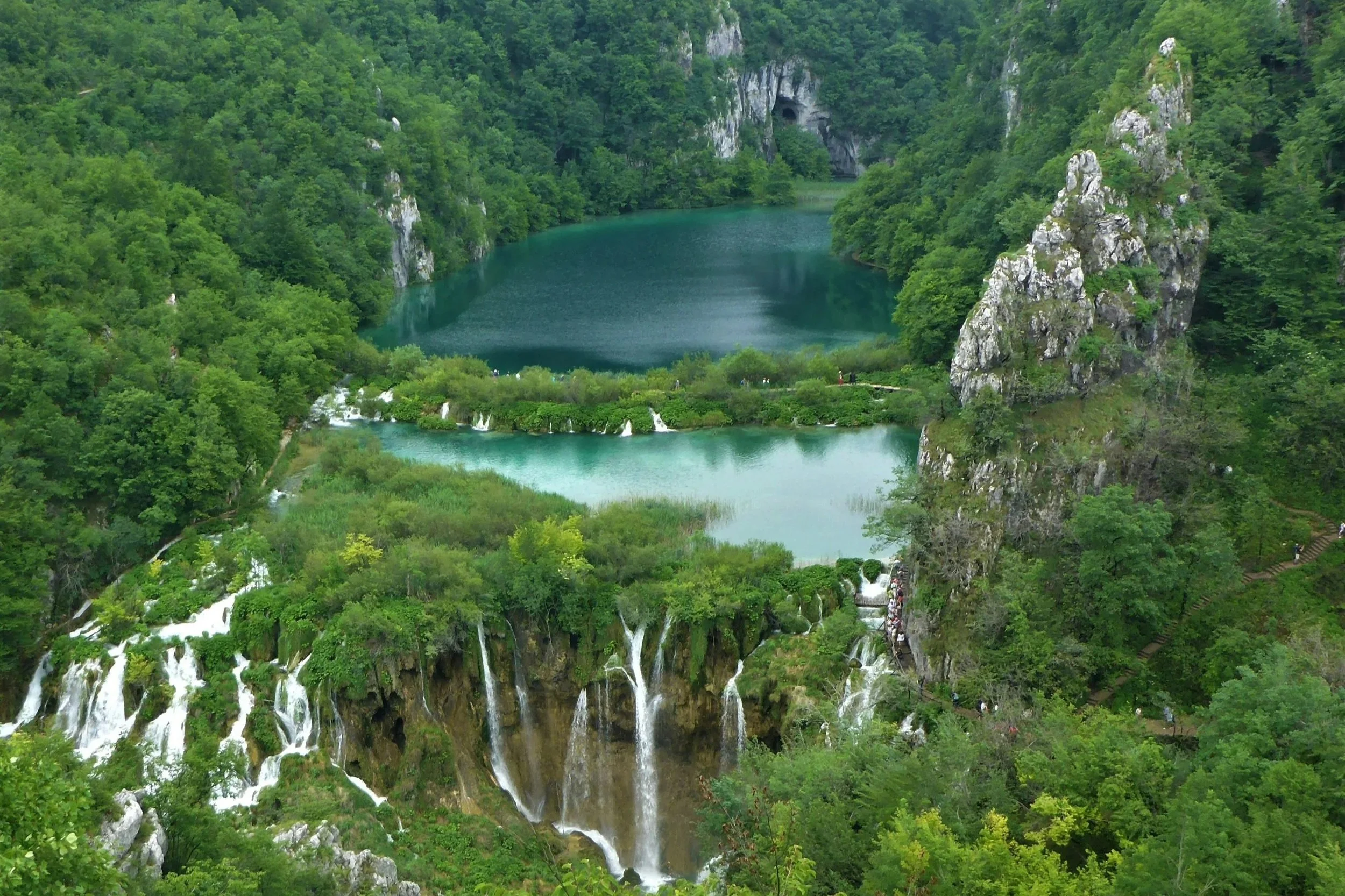
Walking through Plitvice Lakes National Park, with its terraced turquoise lakes and cascading waterfalls, you feel your nervous system soften. In Krka National Park, river and forest meet in a way that invites stillness. On Mljet National Park, saltwater lakes sit in quiet dialogue with pine forests and monastery walls, offering a kind of solitude that is increasingly rare.
These are not backdrops. They are active participants in the healing experience.
Laura continues: “I believe healing often begins with that return to simplicity. In Croatia, adventure and nature come together in a very organic way. Walking across fields and woods, swimming in open waters, or exploring ancient landscapes creates a sense of grounding that allows people to reconnect with themselves and with the world around them.”
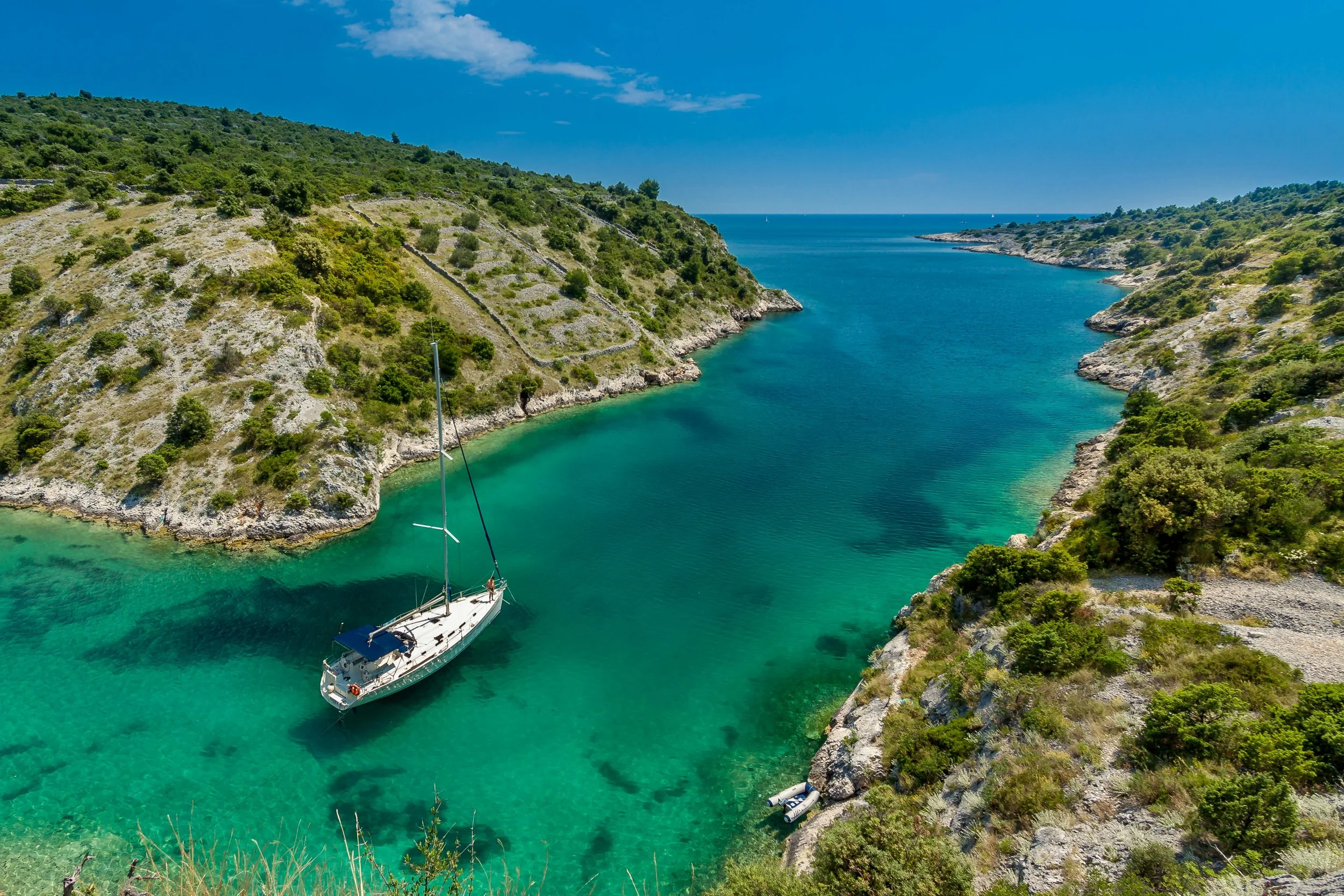
Forest bathing in beech woods. Breathing practices in mountain air across the Velebit range. Gentle coastal hiking in Dalmatia, where sea and sky meet without interruption. Cycling through Istrian olive groves and vineyards, where food, land and wellbeing are inseparable.
Croatia’s natural assets, thermal springs, clean air, therapeutic mud, mineral-rich seas, form the foundation of its growing wellness landscape. The difference today is how consciously they are being integrated.
Istria, where Synergy will gather, offers a more intimate expression of Croatia’s wellness landscape, shaped by olive groves, vineyards and a slower, land-connected rhythm. Here, wellbeing is not defined by dedicated spaces alone, but lived through food, seasonality and a deep relationship with place.

Pical Resort, the host venue for Synergy - The Retreat Show 2026
FROM SPA BREAKS TO HEALTH TOURISM
What was once perceived as a spa weekend is evolving into something more structured and more intentional.
“Guests are moving beyond relaxation toward longevity and healthspan,” notes Adriana Barlafa Kruhonja; Wellbeing, Health & Spa Director at Pical Resort, Valamar Collection. “They want what’s measurable, not just what feels good.”
Across Croatia, wellness is increasingly framed within a broader “health tourism” model. This includes preventive health programmes, medical-grade rehabilitation, post-surgery recovery and chronic-condition support, alongside traditional relaxation-focused stays.
Coastal resorts offer thalassotherapy, hydrotherapy circuits, sauna rituals and contrast therapies inspired by European traditions. Inland thermal regions such as Tuhelj, Krapinske Toplice and Varaždinske Toplice combine mineral bathing with physiotherapy and rehabilitation services. There is a clear move towards integrating modern medical insight with natural resources, not replacing one with the other, but allowing both to coexist.
This evolution also aligns with Croatia’s wider push toward more year-round tourism. Wellness and health travel extend beyond the peak summer months, inviting slower, quieter, off-season visits that are often more restorative for both travellers and local communities.
“Responsible, year-round wellness development means creating experiences that are not dependent on peak summer alone, but instead draw on the destination’s natural assets across all seasons. This includes indoor-outdoor wellness concepts, local community involvement and a focus on slower travel that benefits both guests and the destination,” explains Adriana.
At Synergy, this is a conversation we are committed to holding with integrity: how destinations can grow wellness tourism in ways that respect local ecosystems and honour community needs.

Pical Resort, the new addition to Valamar Collection in Poreč
WHERE NATURE MEETS DESIGN: THE HOST VENUE PERSPECTIVE
This relationship between landscape and wellbeing is not only found in nature itself, but increasingly in how spaces are being designed to reflect it. At Pical Resort, Valamar Collection, the host hotel for Synergy 2026, the environment is not treated as a backdrop, but as a guiding framework.
Adriana explains: “At ESPA at Pical, the entire spa is designed around the Parenzana - a historic railway trail that winds through Istria, connecting Italy, Slovenia and Croatia. Guests move through treatment zones inspired by its landscapes, from herbal aromas to mineral salt therapies and olive wood textures, so nature becomes part of the programme rather than just a backdrop.”
This approach reflects a wider shift within Croatia’s wellness landscape, where local heritage is not replicated, but translated.
“We focus on translating tradition rather than replicating it. Local elements like Istrian herbs, Piran sea salt and olive oil are woven into the experience in a contemporary way… so it feels both authentic and relevant today,” Adriana continues.
WELLNESS AS CONNECTION, NOT CONSUMPTION
The most meaningful shift in Croatia’s wellness landscape is not infrastructural, it is philosophical. Travellers are no longer seeking only treatments, they are seeking connection. Connection to land, to food, to culture and to rhythm.
In Istria, wellness programmes increasingly incorporate olive oil tastings, seasonal Mediterranean cuisine and local wine traditions, recognising that nourishment is cultural as well as nutritional. On islands like Hvar, lavender fields and long sunlit days shape retreat experiences centred on yoga, creativity and slow living. In Slavonia and Baranja, rural landscapes and river plains provide space for digital detox and simplicity.
The intention, at its best, is not to commodify tradition but to respectfully acknowledge it, to understand that wellness here has roots in community knowledge, seasonal living and relationship with nature.
“Croatia, and particularly the Istrian Peninsula, felt like a very natural choice for Synergy. It is a place where nature still feels raw, generous, and deeply present. From the coastline and the islands to the forests and national parks, there is a sense of freedom and spaciousness that invites people to slow down and reconnect,” explains Laura.
For travellers, this means expectations should be nuanced. Not every offering is luxury-led or longevity-focused in the way some Alpine or Italian clinics might be. Croatia’s wellness sector is still evolving. Coordination between private operators and public strategy continues to develop, and some facilities remain seasonal. But there is sincerity in the growth and increasing investment in raising quality, extending year-round access and integrating sustainability.
Wellness here is less about spectacle, more about setting.
“For a theme centred on the healing power of nature, adventure, and freedom, Croatia offers an authentic setting. The landscape itself becomes part of the experience, encouraging movement, exploration, and moments of reflection that are essential to true wellbeing,” Laura adds.

The new Pical Resort opened in March 2026
A REGIONAL DIALOGUE: SLOVENIA AND ITALY
Croatia does not exist in isolation. It sits within a wider Central and Southern European wellness corridor, where water, mountains and mineral springs have shaped health cultures for centuries.
To the north, Slovenia has built a strong reputation for its modern thermal spa infrastructure, combining magnesium-rich waters with detox and preventive programmes. Sustainability is central to Slovenia’s tourism identity, with the national tourism board actively promoting the Slovenia Green framework across destinations and providers.
Across the border in Italy, thermal traditions run deep, combining historic spa culture with gastronomy, hydrotherapy and medical wellness traditions. Thermal destinations like Saturnia and Montecatini Terme have long histories of hydrotherapy and balneology.
Croatia’s opportunity, and its strength, lies in how it bridges these worlds. It offers the sea-based therapies of the Mediterranean, the thermal traditions of Central Europe, and the raw, biodiverse landscapes of the Balkans, all within a relatively compact geography.
HONOURING PLACE, SHAPING THE FUTURE
As Synergy gathers in Croatia in September 2026, our focus will not simply be on trends or commercial opportunity. It will be on stewardship.
On asking how retreat leaders, wellness operators, investors and destinations can work with nature rather than around it. How growth can be aligned with conservation. How local communities can remain central to the wellness narrative rather than peripheral to it.
“Responsible, year-round wellness development means creating experiences that are not dependent on peak summer alone, but instead draw on the destination’s natural assets across all seasons. This includes indoor-outdoor wellness concepts, local community involvement and a focus on slower travel that benefits both guests and the destination,” says Adriana.
Croatia’s wellness landscape is still unfolding. Health tourism remains a smaller part of Croatia’s wider tourism economy, but its long-term potential is widely recognised.
“If nature is part of the healing process, then protecting it has to be built into daily operations. That means sourcing locally and seasonally, reducing water and energy use in spa facilities, and designing and designing experiences such as Parenzana trail walks and forest bathing, that educate guests about the environment rather than simply consume the products. It’s about making sustainability visible and tangible, not just a behind-the-scenes commitment,” Adriana adds.
The forests, springs, mountains and seas are already here, the question for our industry is how we engage with them. Not as assets to be consumed, but as partners in healing. And perhaps that is the most powerful lesson Croatia offers: that restoration is not something we import into a destination. It is something we recognise, protect and allow to lead.
Interested in learning more? Join us at Synergy - The Retreat Show 2026 in Croatia. Enquiries to info@theretreatshow.com.