
WHY MEN ARE TURNING TO RETREATS: CONNECTION, BROTHERHOOD AND THE SEARCH FOR SOMETHING MORE
At some point during almost every men's retreat, a familiar moment unfolds. A man shares something he has never said out loud before. What follows is often one of the most powerful moments of the retreat. He begins to realise that he is not alone. Similar experiences, similar questions and similar challenges start to surface, creating a sense of connection that many participants have not experienced for years.
According to many retreat leaders, this is where the real work begins. Beneath the adventure, movement, challenge and shared experiences that often characterise men's retreats lies something much more fundamental: the opportunity to be seen, heard and understood without judgement.
As men's retreats continue to grow in popularity around the world, it would be easy to assume the appeal lies primarily in wellbeing, personal development or adventure. Certainly, those elements play an important role. Yet beneath the hiking, cold plunges, breathwork sessions and fireside conversations, many retreats are responding to something deeper - a growing desire for connection, community and space to reflect on who we are beyond the roles we perform every day.
We connected with retreat leaders, facilitators and industry experts to explore what is driving this movement and what today's men's retreats are really offering.
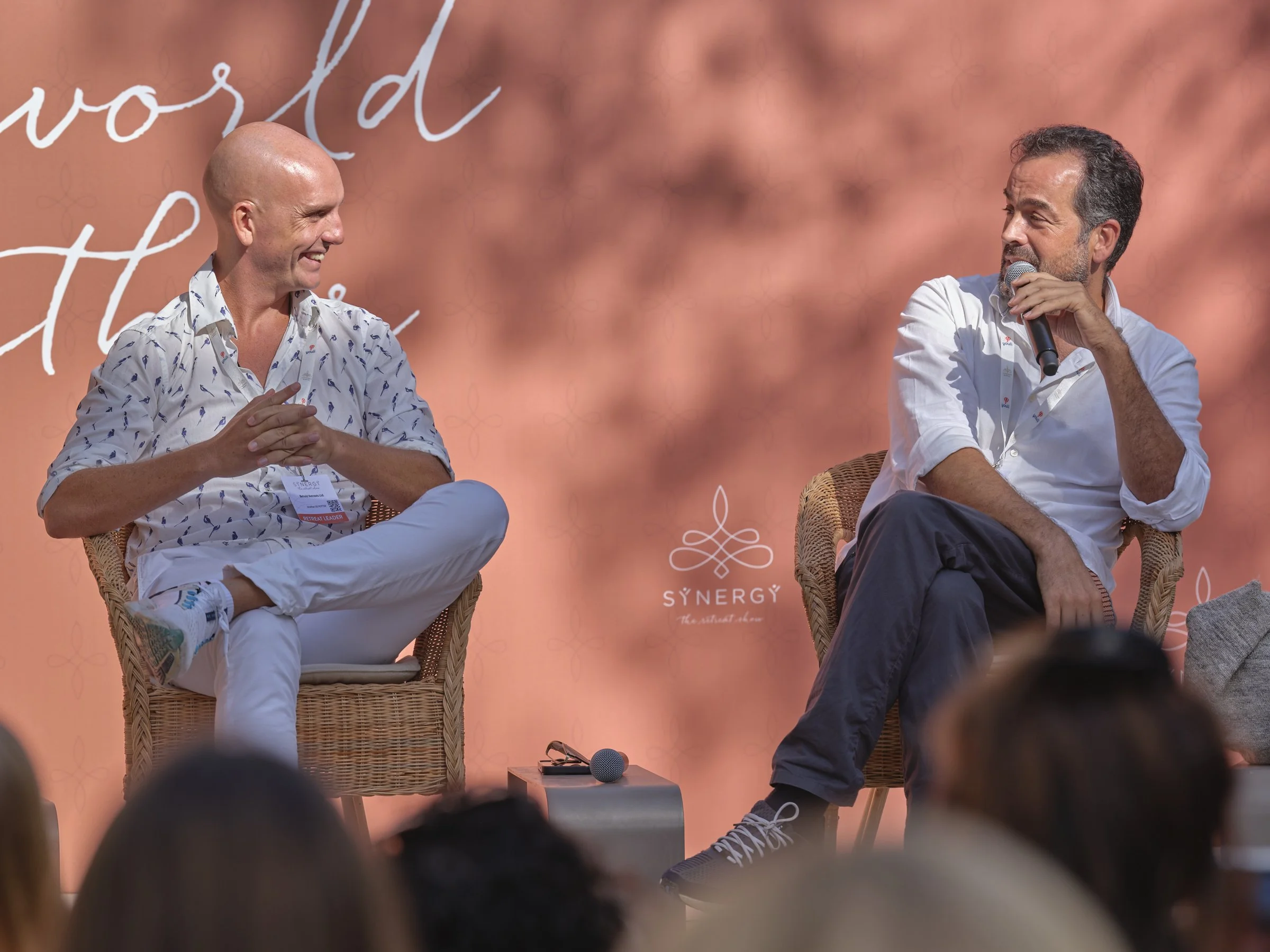
A CULTURAL SHIFT IS UNDERWAY
For Mark Hodgson, Director of Mind & Body Travel, the growth of men's retreats reflects a much broader shift taking place within modern society.
"For Gen X and Millennials, the last two decades have brought a profound shift, not just in the workplace, but in every room of the house," he explains.
"The old playbook for being a man - work hard, provide, sacrifice, repeat - no longer holds. Society rightly expects more, and most men genuinely want to show up differently. The problem is there's no instruction manual for the new version."
The questions he hears most often from men are rarely practical. They are questions of identity, purpose and balance.
"How do I be a provider and a truly present husband and father, while still looking after myself and not burning out? What is my identity now that it can't just be defined by my career or my role? How do I become more emotionally open while still leading my family with strength? These aren't questions men have traditionally been given space to ask - let alone answer.”
Add to this rising levels of burnout, growing awareness of men's mental health, the lingering disruption of the post-pandemic years and what many commentators have described as a loneliness epidemic, and the growing appeal of men's retreats begins to make sense.
“Burnout is, without question, the number one theme I encounter. Men are juggling more than ever - career, relationship, fatherhood, finances, health - and many arrive already running on empty. The retreat space offers them something increasingly rare: permission to stop,” explains Mark.
“Closely behind burnout is identity. Men in their thirties, forties and fifties are often navigating seismic life transitions - becoming fathers, facing midlife, going through divorce, questioning their purpose - and they’re doing it largely in silence. The retreat environment gives these questions oxygen.”
“There’s also a rising curiosity about wellness. Men are increasingly aware that their physical and mental health are connected, but many are new to the space and need an accessible entry point,” he adds.
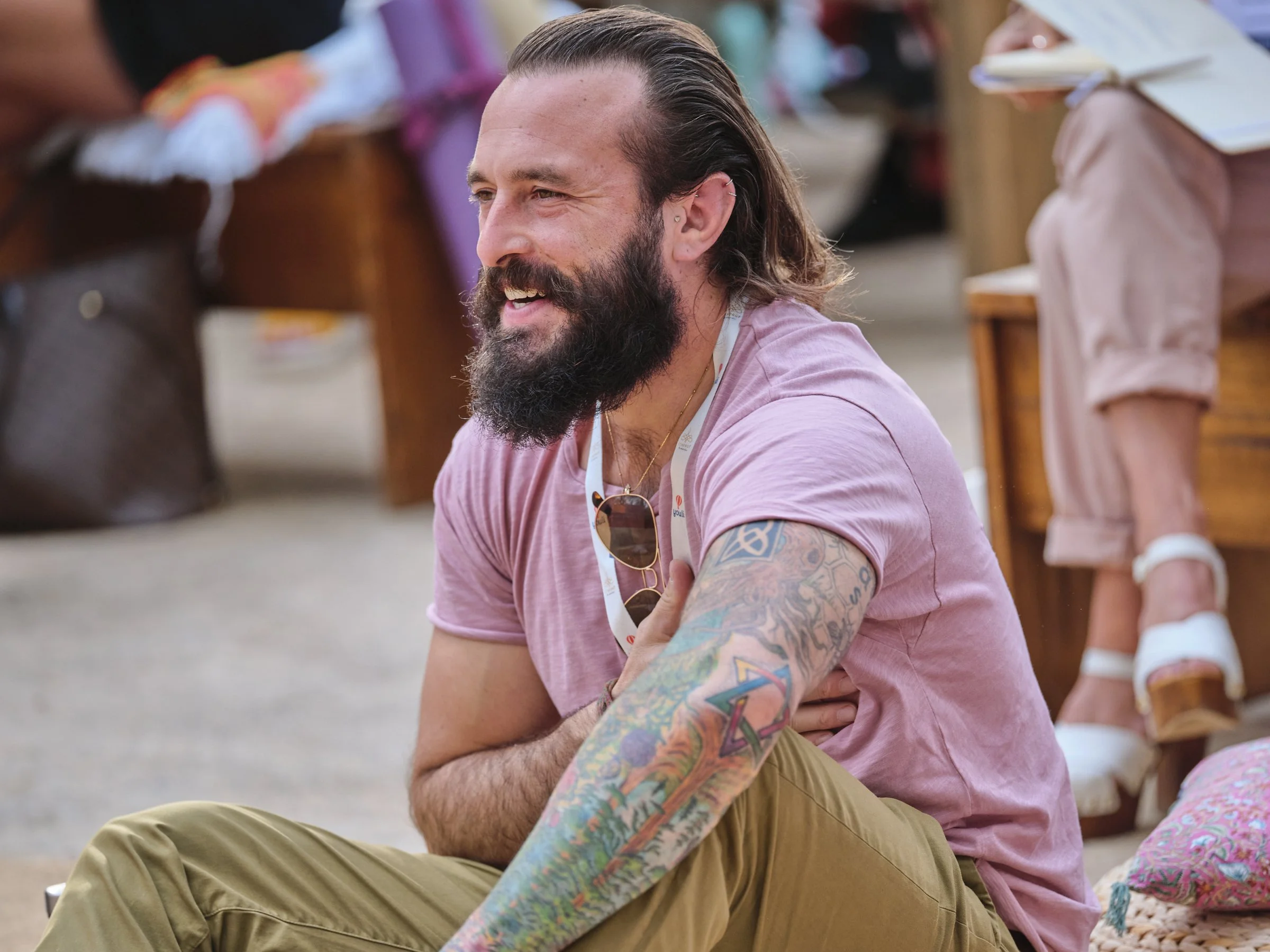
WHY MEN DON'T SIGN UP FOR HEALING
One of the more interesting observations from retreat leaders is that many men are looking for exactly the same outcomes as other retreat participants, they simply don't always respond to the same language.
Scotty Johnson, Founder of Explore What Matters, sees this regularly.
"A lot of it comes down to marketing language and what box people put the experience in," he explains.
"If you describe something as a retreat that involves healing or is for 'wellness', many men simply won't sign up for it. That's just the reality, particularly in the UK. But if you describe the same experience as time in the great outdoors and the chance to pause for perspective, suddenly it becomes accessible."
The irony, he says, is that the experience itself often remains remarkably similar. Johnson believes many men are searching for the same things as everyone else: connection, understanding and an opportunity to reflect. The difference is often the doorway through which they enter.
"As my first mentor said to me, the only way to truly develop relationships is to share a little of our suffering. A facilitated adventure simply provides a different doorway in."
THE POWER OF CHALLENGE, ADVENTURE AND NATURE
Many successful men's retreats are built around challenge. Whether it's hiking, cold-water immersion, physical movement or outdoor adventure, challenge often acts as both a catalyst and a connector.
According to Mark, this is partly because men tend to communicate differently.
“Men tend to open up in motion. There’s a well-documented pattern - sometimes called “shoulder-to-shoulder” versus “face-to-face” communication - where men connect more readily when engaged in a shared activity than in direct, seated conversation. Challenge-based design taps directly into this.”
“Shared physical challenge also does something physiological. Mild stress and exertion experienced together release oxytocin - the same bonding mechanism that underpins tight- knit military units and sports teams. It’s not accidental that these environments produce fierce loyalty and deep connection,” he adds.
This perspective is echoed by Rob Williams, Director of Nordic Wellness.
"Nature is our best teacher," he says. "Natural environments provide inspirational challenges for men, as well as encouraging guys to step out of their daily roles as working professionals, husbands and fathers, examine their own lives more deeply, and learn from one another beyond the noise, and away from the distractions of daily life."
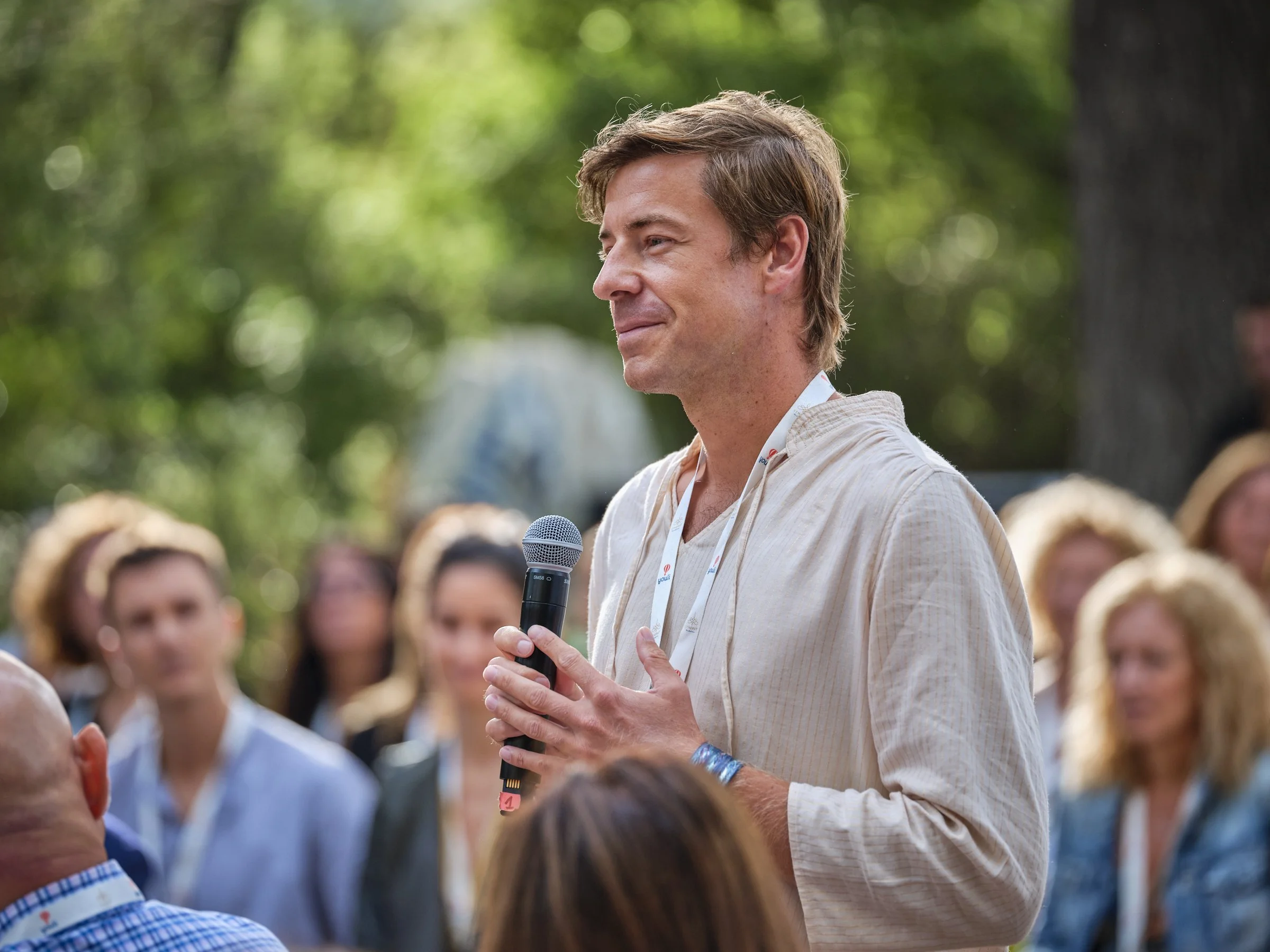
CREATING SAFETY WITHOUT CALLING IT THERAPY
Despite the emphasis on challenge and adventure, retreat leaders repeatedly return to one word when describing successful men's retreats: safety. Not safety in the physical sense, but emotional safety.
"Safety for men rarely comes from being told it’s safe - it has to be created experientially, and it takes time. In practice, this means beginning with the familiar: walking, hiking, physical activity. These are things men feel confident doing, and they provide an unconscious on- ramp into a different kind of conversation,” says Mark.
The environment itself also plays a role.
"The physical environment matters too: nature, being away from everyday life, no phones. These structural choices signal that this is a genuinely different kind of space, which primes people for a different kind of engagement," he adds.
Steve Hodgson, Founder of Beyond The Noise Collective, believes pacing is critical. He believes one of the most common mistakes retreat providers make is moving too quickly.
"For those stepping into a retreat for the first time, the last thing you want to do is go too quick and activate them without building the space and trust. It's important for men when starting this journey, to step into calm, build the connection, the awareness and when ready reach for deeper retreats, but only when they're ready."
The most effective retreats, he says, create a carefully structured journey.
"My aim is always to take the men on a journey from calm and connected, to clarity and connection and leave them feeling more aligned, with tools and strategies for them to return home better partners, parents and human beings," he adds.
Facilitators themselves play a critical role. According to Mark, emotional safety is created not by forcing vulnerability but by modelling it. Group size, confidentiality, shared agreements and careful curation all contribute to creating an environment where men feel genuinely safe rather than simply polite or comfortable.
“Shared adventures with expansive space and uninterrupted time, along with retreat facilitators who bring a balance of playfulness and purpose, all contribute to guys dropping into participatory retreat flow,” explains Williams.
THE MOMENT EVERYTHING CHANGES
"The single most powerful moment in any men's retreat is the one where a man realises he is not alone.,” explains Mark. “That moment - when someone else says out loud what you’ve only ever thought in silence - is often the crack that lets the light in.”
This is where genuine transformation often begins.
“Men arrive carrying shame, isolation, and the quiet conviction that their struggles are somehow uniquely their own failure. Shared experience dismantles that story faster than almost anything else. When the room reflects it back, something fundamental shifts. Validation creates safety, and safety creates the conditions for real transformation,” he adds.
Steve believes these moments of recognition are often what participants remember most.
"Men step into these spaces and quickly realise they are not the only ones carrying certain thoughts, doubts or struggles. The conversations and stories shared help men feel seen, heard and understood. For many, that alone can be profoundly healing."
What is striking, says Mark, is how quickly these shifts can happen when the environment is right.
"Men who arrived guarded on day one are often the ones having the most profound conversations by day two."
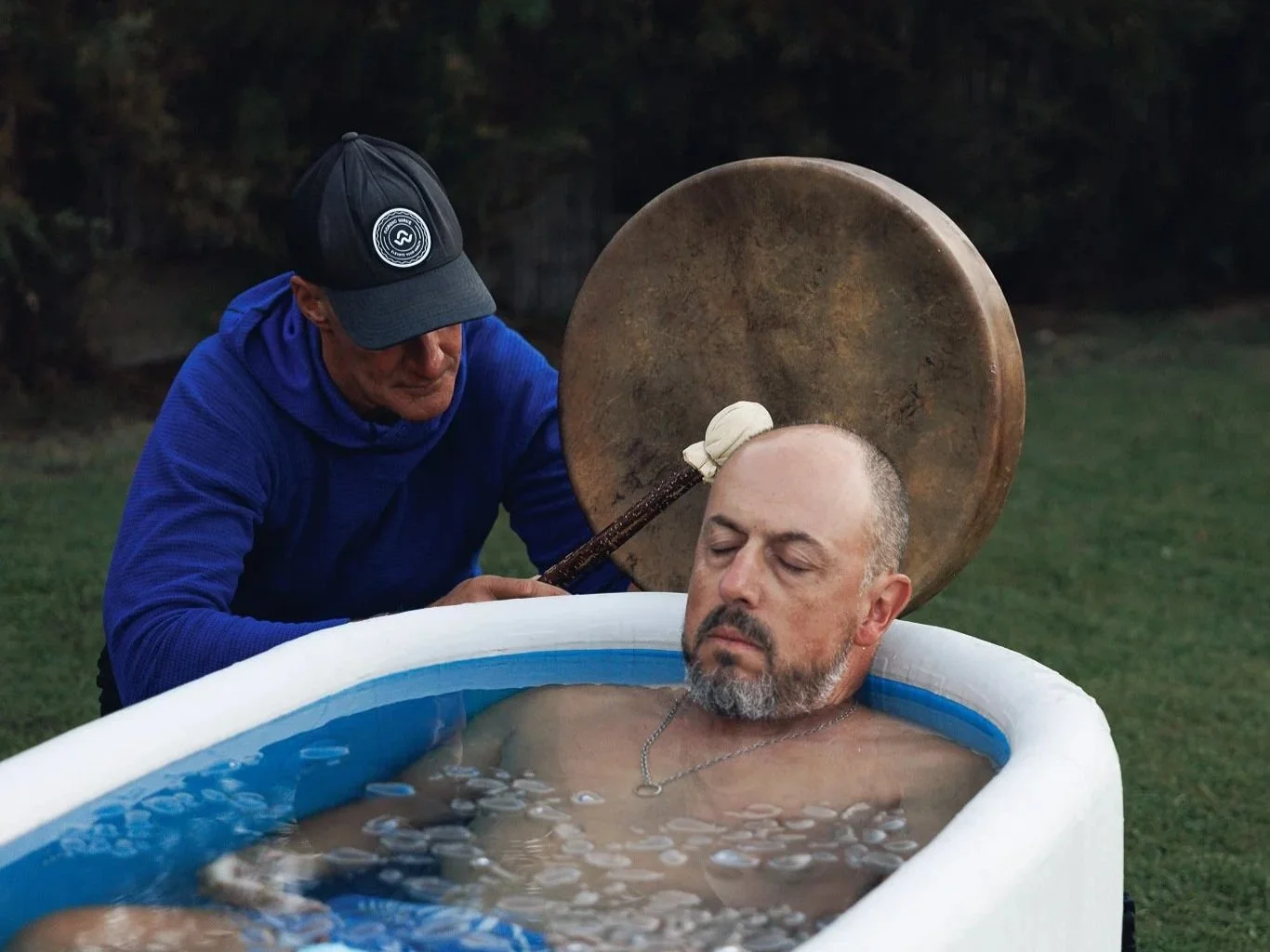
THE IMPORTANCE OF BROTHERHOOD
Perhaps the strongest theme running through every contributor's perspective is the importance of brotherhood.
"Brotherhood helps men navigate the complexities of this unique and strange civilisational moment - together," says Williams.
Many retreat leaders believe that modern life has quietly eroded opportunities for meaningful male friendship. Careers, parenting responsibilities and everyday pressures often take precedence over connection.
"Life takes over and as men we lose contact with friends and connections," says Steve. "As we progress through life, stepping into spaces where we find connection, brotherhood and an environment where we feel seen, heard and understood becomes increasingly important."
What many participants discover is that they are looking for connection. A space where internal thoughts and feelings can become part of an open conversation rather than something carried alone.
"The retreat plants the seed," says Mark, "but the brotherhood that forms is what helps it grow."
Many participants leave not only with new perspectives, but with friendships, accountability partners and support networks that continue long after the retreat ends. For many men, this ongoing sense of connection becomes one of the most valuable outcomes of the retreat experience.
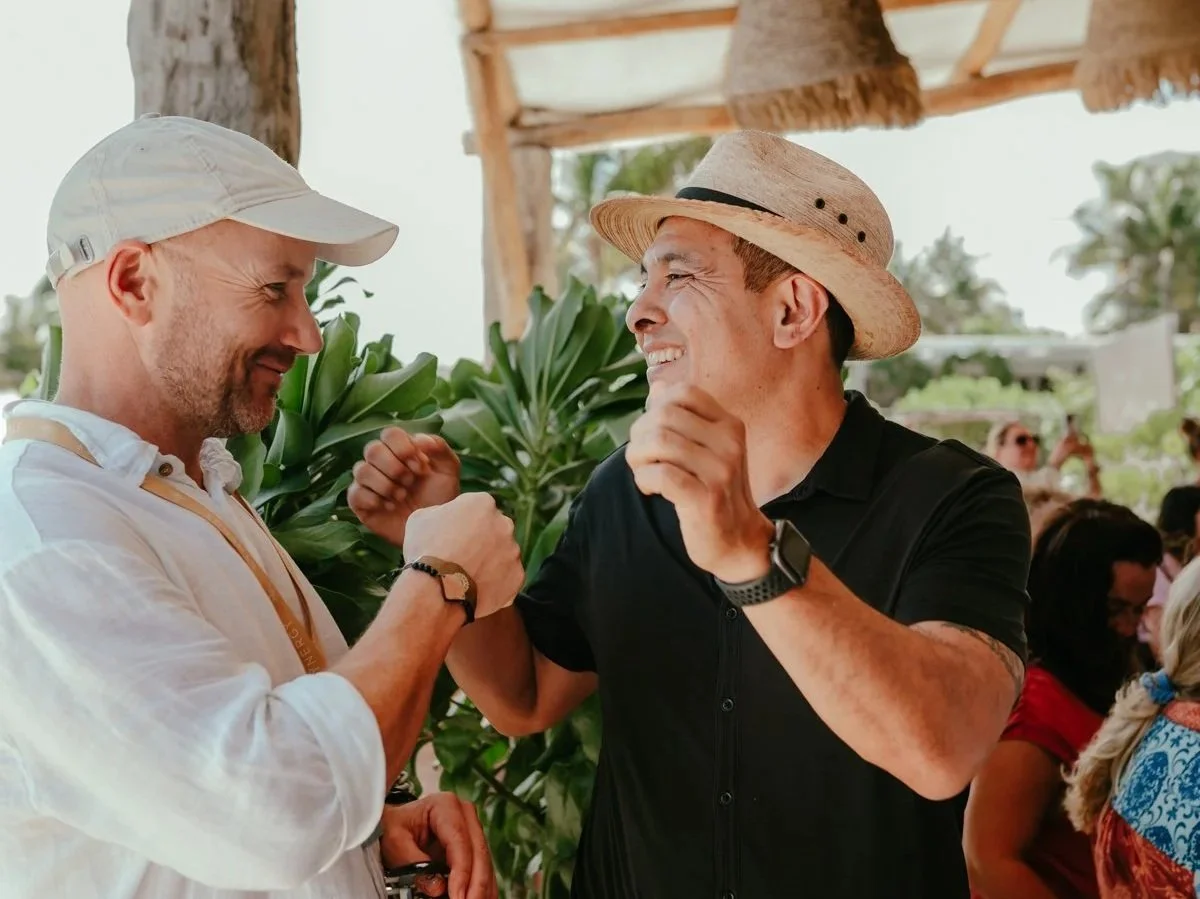
A DIFFERENT MODEL OF MEN'S WELLBEING
"The most impactful men's retreats are often not built around intensity or performance, but around authenticity, presence, nature and shared experience," says Laura Montesanti, Founder and Managing Director of Synergy – The Retreat Show.
"We are seeing a growing appetite for retreats that combine movement, challenge, stillness and emotional depth in a way that feels practical and embodied, rather than overly clinical or performative," she adds.
What emerges from these experiences is a very different model of men's wellbeing. One that is less focused on optimisation and performance, and more focused on connection, self-awareness, purpose and belonging. A model that recognises wellbeing is not something achieved in isolation, but something shaped through our relationships with ourselves, with others and with the world around us.
The men arriving at retreats today are not necessarily looking to become someone new. More often, they are looking for space to step away from the expectations, responsibilities and noise of everyday life long enough to reconnect with who they already are.
What was once considered a niche experience is becoming part of a much broader conversation about what it means to live well as a man in the modern world.
And perhaps most significantly, men are choosing to seek out these experiences for themselves.
"Men aren't being dragged to retreats," says Mark. "They're choosing to show up. That shift in itself is significant."
Interested in learning more? Join us at Synergy - The Retreat Show 2026 in Croatia. Enquiries to info@theretreatshow.com