
THE RISE OF THE MALE WELLNESS TRAVELLER: UNDERSTANDING HOW MEN ARE ENGAGING WITH WELLBEING TODAY
For decades, the wellness travel industry was largely marketed towards women. Images of spa breaks, yoga retreats and self-care escapes dominated the conversation, while men were more commonly associated with adventure travel, golf holidays or business trips.
That narrative is beginning to change.
Across the wellness sector, there is growing recognition that men are seeking wellbeing experiences in greater numbers and with greater intention than ever before. The rise of men's retreats, longevity programmes, performance-focused wellness, nature immersion and preventative health experiences all point towards a broader shift in how men are thinking about their physical, mental and emotional wellbeing.
According to the Global Wellness Institute's Men's Wellbeing Initiative, attitudes towards male wellbeing are evolving rapidly, with growing awareness of mental health, emotional resilience and preventative healthcare. The organisation highlights a cultural shift away from outdated notions of masculinity towards a broader understanding of what it means to thrive physically, mentally and emotionally.
At the same time, the commercial opportunity is becoming increasingly difficult to ignore. Research & Markets estimates the global men's health and wellness market will grow from US$1.42 trillion in 2024 to US$2.88 trillion by 2030, driven by increasing interest in preventative health, mental wellbeing, fitness and personalised health solutions. Wellness tourism has been identified as one of the key sectors driving this growth, reflecting increasing demand for recovery, longevity and wellbeing-focused travel experiences.
Yet the story isn't simply about growth. It is about understanding what men are actually seeking, and why.
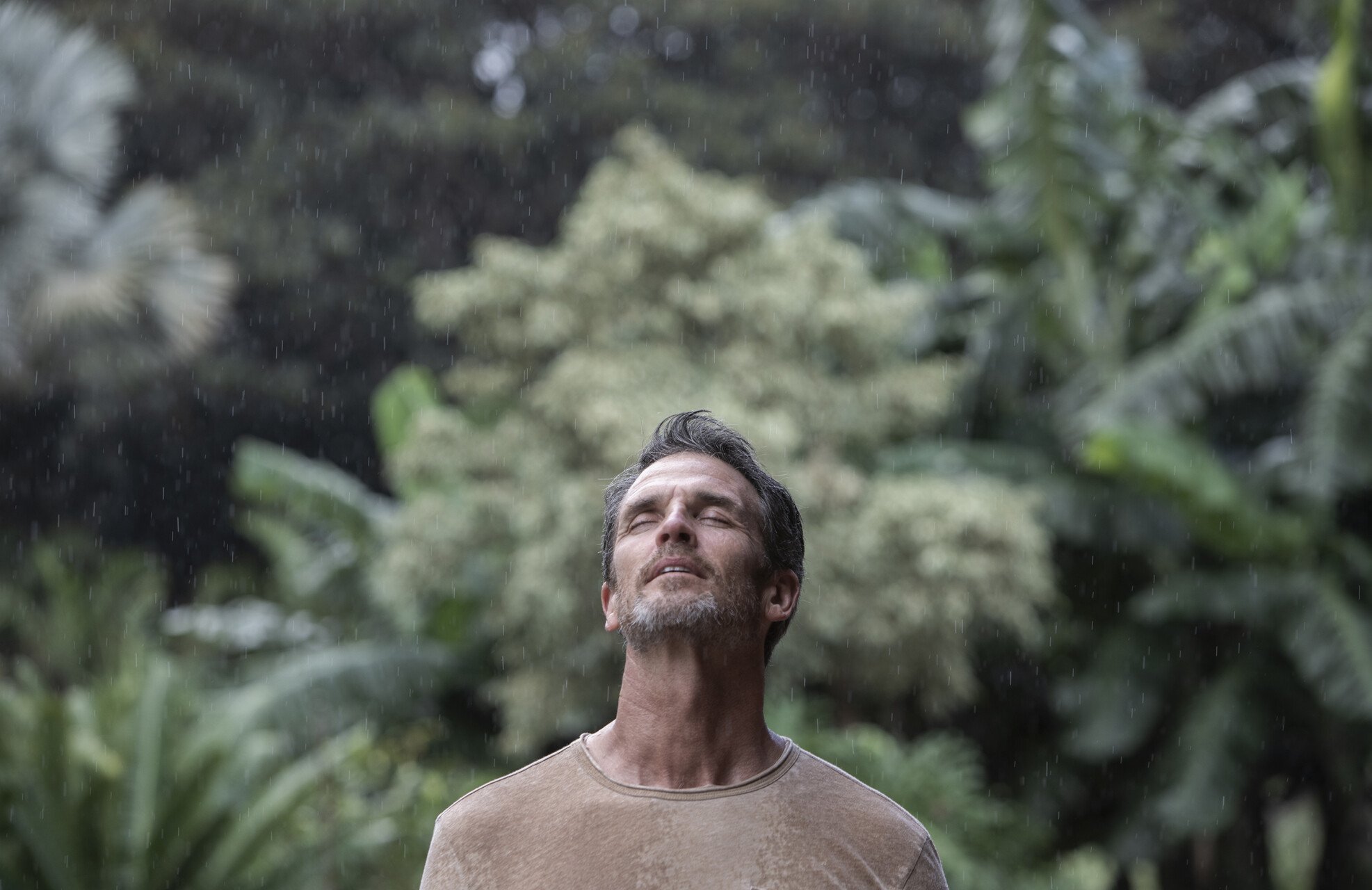
Image courtesy of Sensei Lānaʻi, a Four Seasons Resort
A SHIFT IN HOW MEN VIEW WELLBEING
"We're witnessing not just a rise in male participation within wellness travel, but a broader shift in how wellbeing is being understood by men altogether," says Laura Montesanti, Founder of Synergy – The Retreat Show. "Increasingly, men are seeking spaces that allow them to slow down, reconnect, restore balance and step away from constant performance and pressure."
This shift is reflected across multiple sectors of the wellness industry.
Recent research highlighted by Brief Glance found a significant increase in male participation within wellness experiences, with growing demand for programmes focused on stress management, recovery and social connection. The publication also points to increasing interest in men's retreats and emotional wellbeing programmes, challenging long-held stereotypes around masculinity and self-care.
However, Dr Cijith Sreedhar, Naturopathy Doctor and CMO at Prakriti Shakti Clinic of Natural Medicine, believes the conversation is more nuanced.
"I am often asked whether there is a rise in male wellness seekers. My honest answer is that I am not entirely convinced," he says. "Is there a greater need for wellness among men today? Absolutely. But increased need and increased participation are not the same thing. In fact, one of the biggest challenges I see is that the men who need wellness the most are often the least likely to seek it."
According to Dr Sreedhar, awareness is rarely the problem.
"Most men know they are stressed. They know they are sleeping poorly. They know they have gained weight. They know they are exercising less than they should. They know that their energy levels are not what they once were. The issue is rarely a lack of awareness. The issue is action," he adds.
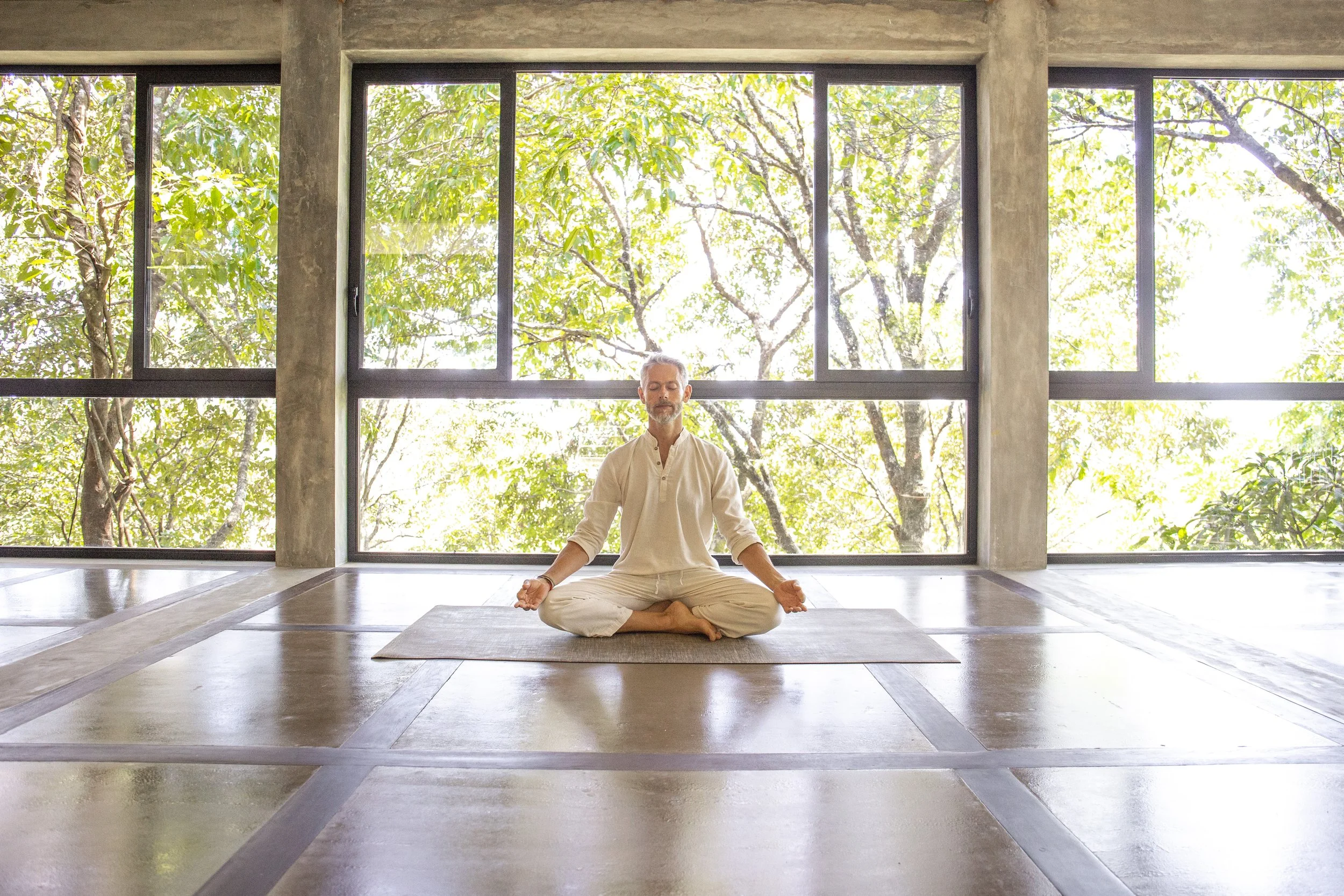
Image courtesy of Prakriti Shakti Clinic
WHY MEN OFTEN ARRIVE AT WELLNESS LATER
One of the most interesting observations emerging from industry leaders is that men often arrive at wellness through different pathways than women.
"Women experience several natural life stages that demand attention to health - menstruation, pregnancy, childbirth, postpartum recovery and menopause. Each of these transitions creates clear signals from the body that something is changing,” explains Dr Sreedhar. "Men have no equivalent milestones. The health changes in men are often gradual and silent."
He describes how stress, poor sleep, metabolic decline and weight gain often accumulate slowly over years.
"A woman's body often announces change. A man's body often whispers. And the problem is, that many men wait until it starts shouting."
This delayed engagement may help explain why many male guests first enter wellness through measurable health concerns rather than emotional wellbeing.
At Atmantan Wellness Centre in India, Founder Nikhil Kapur has witnessed this evolution first-hand.
"For years, wellness - its language, its imagery, even its design - was built for women, and men quietly assumed it wasn't meant for them," he explains. "But the men who did come to us weren't indifferent to their health; they'd simply never been offered it in a way that made sense to them."
Rather than attempting to change men, Atmantan changed its approach.
"Men respond to diagnostics, to clear outcomes, to a system they can measure - much as they'd approach their business or their training. So rather than try to talk men into wellness, we built a programme that spoke their language: clinical, structured, results-led," he adds.
The results have been significant.
"Over 10 years, our male-to-female ratio has shifted from 40:60 to 48:52. That didn't come from marketing. It came from finally meeting men where they are.”
For Kapur, the challenge runs deeper than simply encouraging men to engage with wellness. In his view, the problem is rarely a lack of information.
"The deeper issue, I think, is that we've taught men to stop listening to their own bodies. They push through fatigue, stress and pain as if that were strength, until those signals finally surface as something serious - high blood pressure, type 2 diabetes, a cardiac scare. It was never a lack of information; every man knows he should sleep better, move more, eat differently. It's that we've built a world that quietly rewards him for ignoring the very signals meant to protect him."
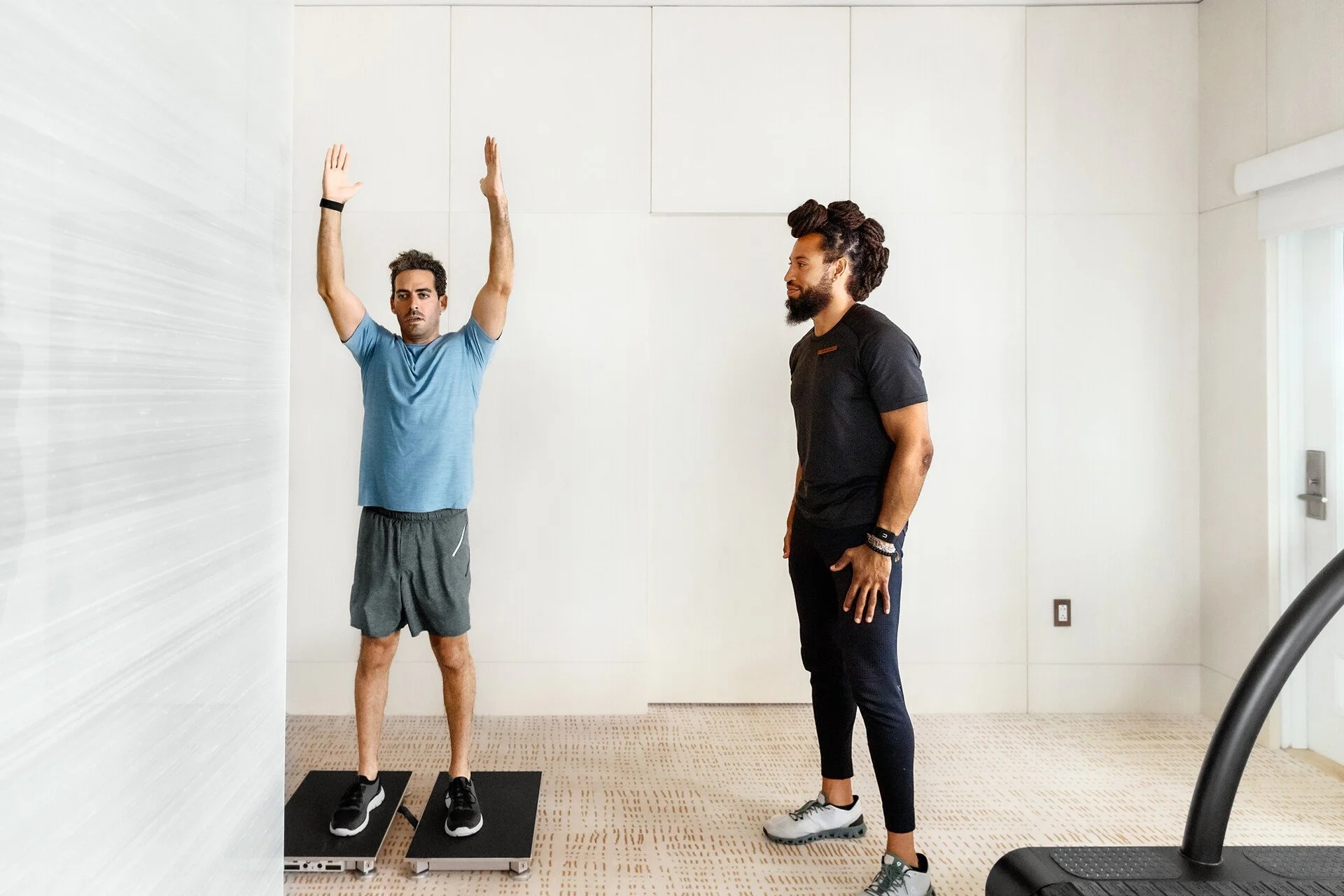
Image courtesy of Sensei Lānaʻi, a Four Seasons Resort
THE RISE OF PERFORMANCE WELLNESS
One of the strongest trends emerging within male wellness travel is the intersection between wellbeing and performance.
Historically, wellness was often perceived as indulgent or passive. Today, many men are approaching wellness through the lens of optimisation, resilience and longevity.
At Sensei Lānaʻi, a Four Seasons Resort, this shift is clearly visible.
"There has been a clear, accelerating shift," says Sensei Guide, Jim Cahill. "More men are booking independently, not just as a plus-one to a partner's spa weekend. Wellness now reads as an investment in performance and overall wellbeing, not indulgence."
According to Cahill, the focus has moved beyond aesthetics, with measurable outcomes often critical to initial engagement, particularly for guests who value data-informed approaches.
"The emphasis has shifted from looking good to feeling and functioning at a high level across all areas of life. The reframe from 'pampering' to optimisation is a key entry point. Men who might not book a traditional spa retreat will engage with Fitness 1:1 with Biomarkers, sleep analysis and guided recovery protocols."
"Objective insights help build trust and clarity. Progress tracking can support continued engagement, helping guests see how their efforts translate into meaningful change over time,” he adds.
Yet data alone is not the destination. As Cahill explains:
"Data also helps contextualise more restorative practices. Breathwork, sleep and relaxation techniques become more tangible when guests can see their impact on recovery and overall wellbeing. But measurement is the entry point, not the outcome."
Ultimately, he believes lasting change comes not from the metrics themselves, but from how those insights are integrated into daily life. "Sustained change comes from how these insights are integrated into daily life - supporting long-term habits, balance and overall quality of life."
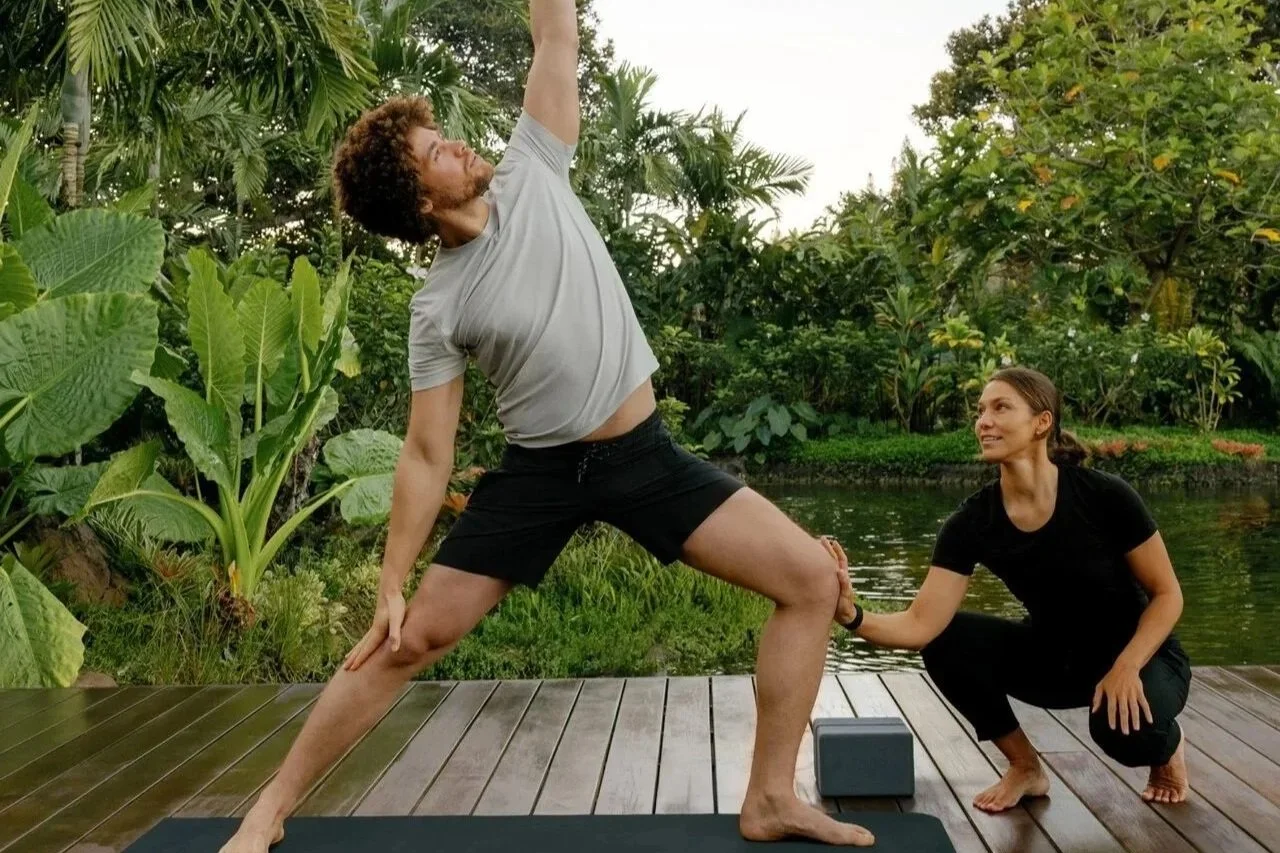
Image courtesy of Sensei Lānaʻi, a Four Seasons Resort
FROM OPTIMISATION TO SELF-REFLECTION
Yet industry leaders caution against assuming male wellness is solely performance-driven.
At Lanserhof Group, where approximately 45% of guests are male, the conversation has evolved beyond diagnostics and longevity.
"Men typically come to Lanserhof with a strong focus on preventive health, diagnostics, longevity, performance optimisation, stress management and recovery," says Eva Maria Hasenauer, Chief Commercial Officer.
However, she also observes an important shift.
"We are seeing a growing openness towards emotional wellbeing, resilience, sleep quality and mental recovery as essential components of overall health and longevity."
A similar pattern is emerging at Atmantan. Kapur notes that many men initially arrive seeking to improve a health metric or solve a physical issue.
"On paper, a man books to fix a number - his weight, his blood pressure, his sleep, a report that finally unsettles him. That's what gets him through the door. But what he's looking for underneath is quieter: a chance to step back from always being 'on', and simply think.”
He has seen this shift play out among guests.
“I see more men travelling solo now, by choice. One guest, an industrialist, once told me he comes here purely to clear his mind and plan the next five years of his business - that he can't find that clarity anywhere else. That stayed with me. Men arrive for a number on a report; they stay for the realisation that they'd been running on empty, and no one, least of all themselves, had noticed," he adds.
Perhaps this is the hidden story behind the rise of male wellness travel. Men may arrive seeking better sleep, improved fitness or measurable health outcomes, but many leave having discovered something far less tangible and arguably more valuable: clarity, perspective and the opportunity to reconnect with themselves.
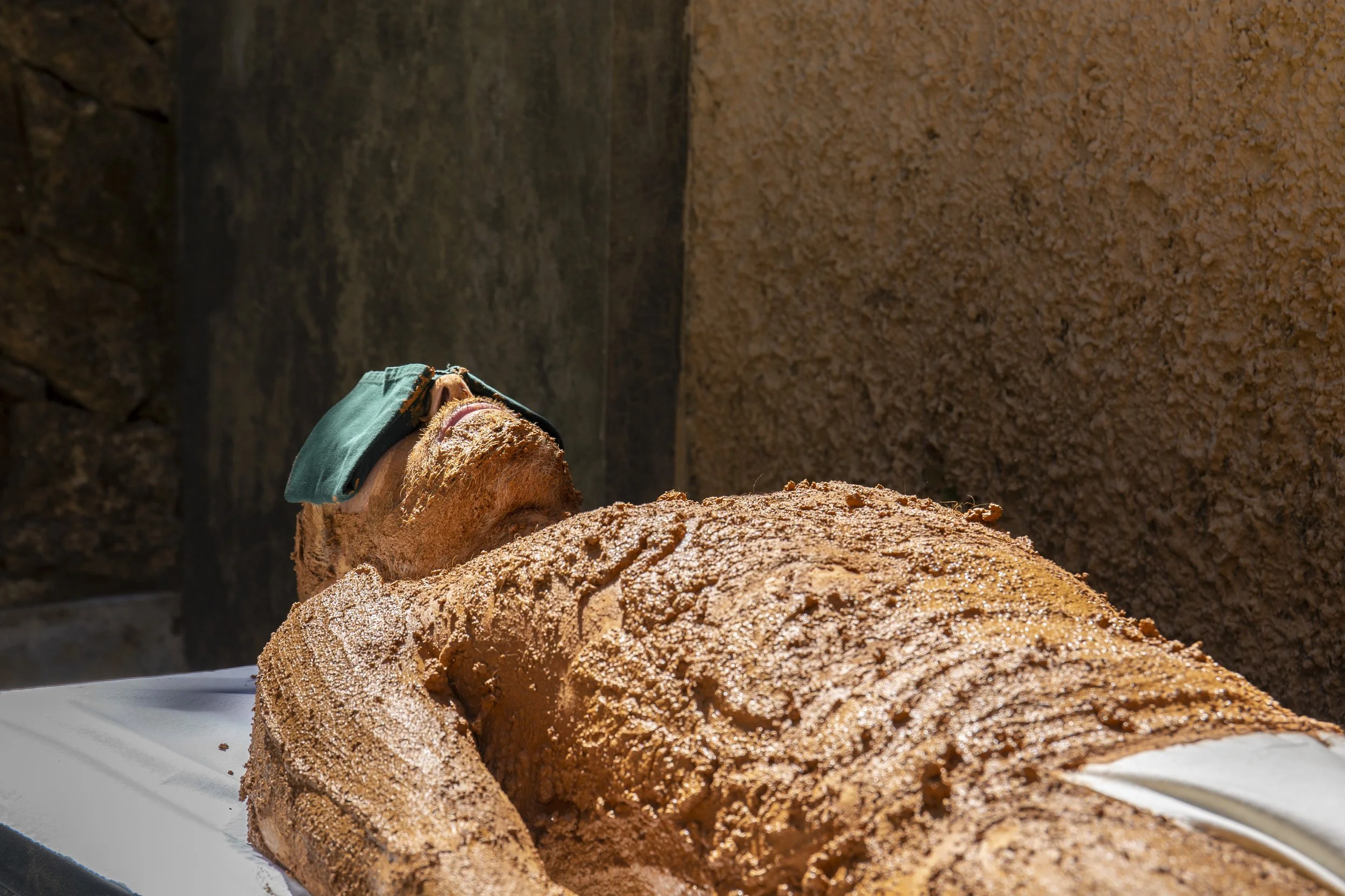
Image courtesy of Prakriti Shakti Clinic
WHAT THE INDUSTRY STILL GETS WRONG
Despite growing demand, many contributors believe the wellness industry still misunderstands male wellbeing.
According to Dr Sreedhar, the fundamentals are not different: "Men need the same fundamentals that all human beings need: good sleep, nutritious food, movement, stress recovery, emotional balance and meaningful connection.”
The difference lies in engagement.
"Many men want to understand the purpose behind what they are doing. They are more likely to commit when they see a clear connection between wellness and outcomes that matter to them - better energy, improved performance, greater resilience, longevity and the ability to continue doing what they love," he adds.
Cahill agrees.
"One misconception is that men aren't interested in the emotional and restorative aspects of wellbeing. They are - they may simply respond to a different entry point. While data may initiate engagement, the most meaningful outcomes often relate to improved sleep, stress management and mental clarity."
Kapur offers a thought-provoking perspective:
"That vulnerability is where it begins for men. In my experience, it's usually where they arrive - the destination, not the door."
"We sometimes assume men must be gently coaxed into wellness, or, at the other extreme, handed every new gadget and metric to optimise themselves with. Both, I think, miss the man," he adds.
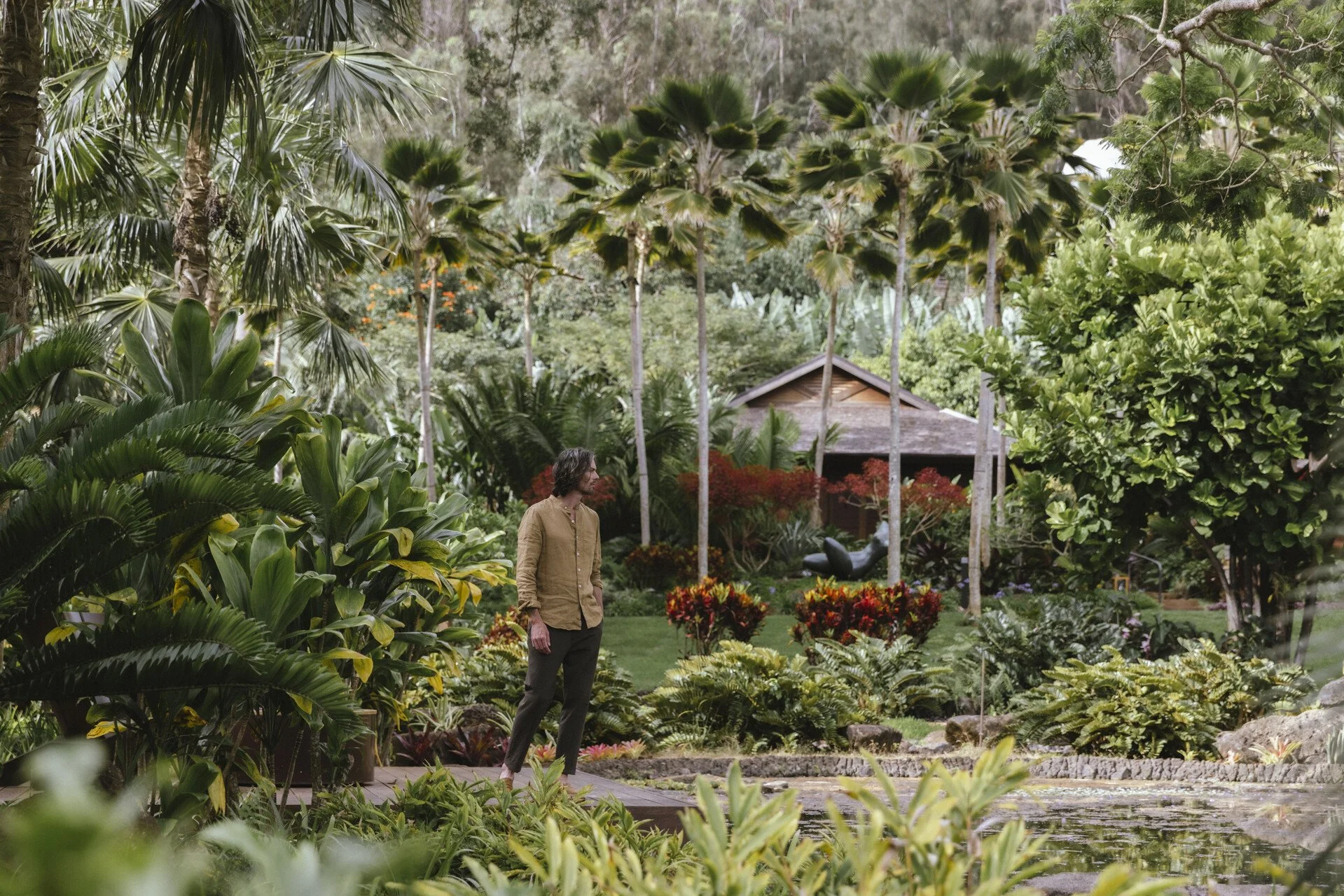
Image courtesy of Sensei Lānaʻi, a Four Seasons Resort
THE OPPORTUNITY AHEAD
For wellness travel providers, the rise of the male wellness traveller presents a significant opportunity. Yet the most successful brands are unlikely to be those that simply repackage wellness in more masculine colours or language.
Instead, they will be those that understand the motivations behind the trend: the desire for longevity, resilience, recovery, purpose, emotional wellbeing and meaningful human connection.
As Montesanti observes:
"For a long time, wellness was marketed in ways that didn't always feel accessible or relatable to male audiences. That is beginning to change. We are now seeing more experiences centred around nature, movement, recovery, emotional wellbeing and meaningful connection, which are resonating strongly with men from many different backgrounds and life stages."
Perhaps the rise of the male wellness traveller is not about convincing men to care about their wellbeing at all. It is about recognising that they already do.
"Give a man rigour first - diagnostics, real progress, a system he respects - and he'll walk through the door willingly. It's only once he's inside, and trusts the process, that the deeper work opens up," says Kapur.
Increasingly, that deeper work is exactly what more men are searching for.
Interested in learning more? Join us at Synergy - The Retreat Show 2026 in Croatia. Enquiries to info@theretreatshow.com